Vermont Is Asking Residents to Search Patio Furniture, Firewood and Cars for Spotted Lanternfly Egg Masses Until the First Hard Frost
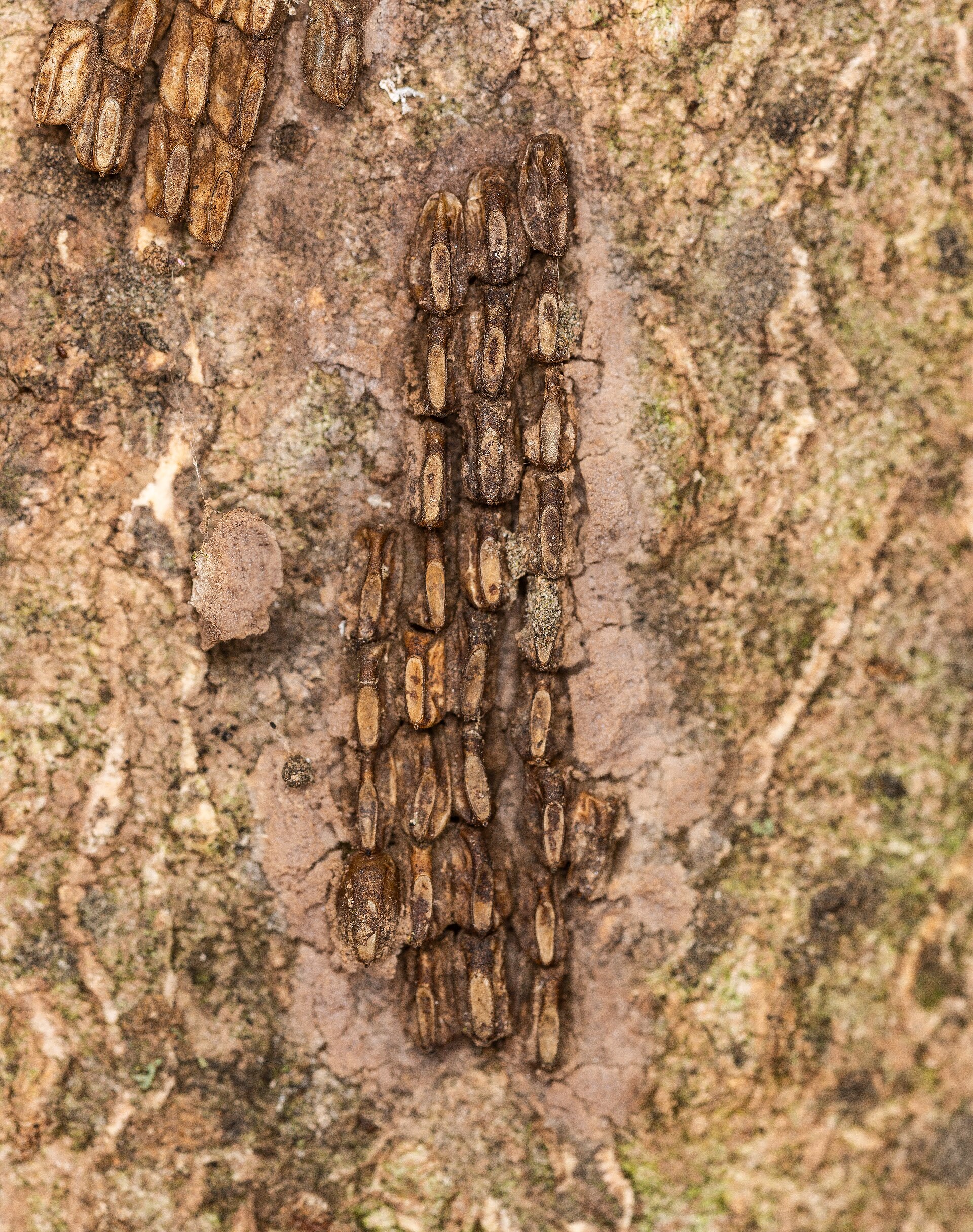
Vermont’s agriculture and forestry agencies have a simple request for residents this fall: before the first hard frost, check the patio set, the woodpile and the car for small gray-brown smears that look like dried mud. Those smears may be spotted lanternfly egg masses, and the state wants every one reported.
The Vermont Agency of Agriculture, Food and Markets and the Department of Forests, Parks and Recreation are asking Vermonters to watch for the insect through the end of the season, University of Vermont Extension reported on Oct. 22. Vermont has no confirmed, established population, and the agencies want to keep it that way.
Every Vermont Find So Far Came From a Resident
The state’s record so far rests on ordinary people. Ginger Nickerson, forest pest education coordinator for UVM Extension and the Vermont Urban and Community Forestry Program, said every adult spotted lanternfly found in Vermont to date was reported by an alert resident or business.
Those finds have been single insects intercepted on their way in, most often riding on vehicles or plants from infested areas, according to UVM Extension. The insect has established populations in southern New York and much of southern New England, which puts Vermont driveways and garden centers on the front line.
The pest was first found in Berks County, Pennsylvania, in September 2014 and likely arrived on a stone shipment around 2012, according to Vermont Invasives, a website backed by the Department of Forests, Parks and Recreation and UVM Extension. It has since spread to 26 Pennsylvania counties, which are under a state quarantine, and infestations have turned up in Massachusetts, Connecticut, Delaware, Maryland, New Jersey, New York, Virginia, West Virginia and Ohio. The U.S. Department of Agriculture’s Animal and Plant Health Inspection Service now counts populations in 19 states and the District of Columbia.
Why Egg Masses Matter More Than the Bugs Right Now
Adults are killed by the first hard frost, but their eggs are not. Egg masses are the main way the insect survives winter and spreads to new places, UVM Extension said. A single frost-killed adult is the end of the line. A mass of eggs stuck to a camp chair that travels north is the start of a new population.
APHIS says each egg mass holds 30 to 50 eggs and is about an inch long. Newly laid masses look like wet gray putty, then dry to a dull brown, and they can be seen through fall, winter and spring. Vermont Invasives describes them as inch-long, rectangular, yellowish-brown patches with a gray waxy coating that can resemble irregular dried mud.
The adults are easier to spot while they last. They are about an inch long, with gray wings marked by black spots and bright red patches on the hindwings that show when the wings open.
Where to Look Around the House and Garden
Spotted lanternflies lay eggs on almost any flat surface, not just plants. UVM Extension lists tree trunks, outdoor furniture, stone, vehicles and firewood, and points to cracks and sheltered spots on cars such as behind wipers, around bumpers and under hoods. Adults are especially drawn to rusty metal.
APHIS adds grills and trailers to the list and advises checking outdoor items for egg masses before winter. Anyone who has traveled through an infested state with camping gear, a trailer or patio furniture has extra reason to look closely.
The stakes are highest for gardens and small farms. Vermont Invasives lists grapevines, maples, hops and blueberries among more than 100 host plants, and UVM Extension notes that the insect can kill grapevines. APHIS names tree-of-heaven as its preferred host. Penn State Extension, which has worked with the pest since its arrival in Pennsylvania, lists maples, black walnut, birch and willow as preferred hosts and says it feeds on more than 70 plant species. APHIS says its feeding leaves a sticky, sugary honeydew that encourages sooty mold. Where populations are high, Vermont Invasives notes, adults swarm during mating season in numbers large enough to disrupt outdoor recreation.
How Vermont Wants Sightings Reported
For an adult or a suspected egg mass, UVM Extension’s advice is to squish it, take a photo, note the location and report it online. The state’s reporting page asks for clear photos of the insect or egg mass, ideally with a coin or ruler for scale, and offers an identification guide and a look-alike sheet so residents can rule out look-alikes first. Insects can be bagged and frozen, or dropped in a jar of rubbing alcohol or hand sanitizer.
APHIS recommends destroying egg masses by smashing them and scraping them into a zippered bag with hand sanitizer or rubbing alcohol, then sealing the bag and throwing it away. Vermont also asks residents not to move firewood long distances and to buy and burn it locally.
Vermont’s watch is part of a wider fall push to catch tree pests early, seen recently with beech leaf disease in New Jersey’s Saddler’s Woods and the federal quarantine set off by one fruit fly in a Port Isabel backyard mango tree.
The window for spotting adults closes with the first hard frost. The egg masses will stay where they were laid all winter, which makes a quick look under the patio table or along the woodpile one of the most useful garden chores left this year.
Get stories like this by email. Sign up for The Parent Diaries Letter.
This article was produced with AI assistance and edited for accuracy against the sources linked above.
Image: USDAgov – Public domain/Wikimedia Commons