Retired Man Says His Wife’s Gardening Hobby Became a Household Chore, Then They Discovered They Had Very Different Ideas About Retirement
A person shared his story about a surprisingly common retirement disagreement that had nothing to do with money, travel, or how to spend their newfound free time. He and his wife were retired and generally divided household responsibilities fairly evenly, but there was one area where they couldn’t agree: her love of gardening.
She considered the work part of the household chores, while he saw it as a hobby he had never asked to take up. What started as a disagreement about plants quickly became a question about marriage, shared responsibilities, and whether loving someone means occasionally doing something you don’t love.
The man wasn’t completely unwilling to help. He was happy to handle tasks that genuinely required another person, such as moving a heavy planter, but he didn’t want regular gardening added to his list of responsibilities. His wife, however, wanted him to participate more often. That left him wondering whether he was being unreasonable or simply drawing a sensible boundary around a hobby that belonged to one person.
Retirement Gave Them More Time, But Not the Same Interests
The couple had apparently settled into a comfortable routine after retirement. They generally shared household jobs, suggesting that neither person was simply leaving all the work for the other. The disagreement appeared only when gardening entered the picture. His wife loved spending time outdoors with plants, while he had little interest in doing the same.
That difference became more noticeable once they were both retired and had more time available. During working years, a busy schedule might have made the distinction easier to ignore. Now there was more opportunity for hobbies, projects, and shared activities, which also meant more opportunities for one spouse to ask the other to participate. Gardening suddenly became a regular point of negotiation.
Gardening Was Relaxation for One and Work for the Other
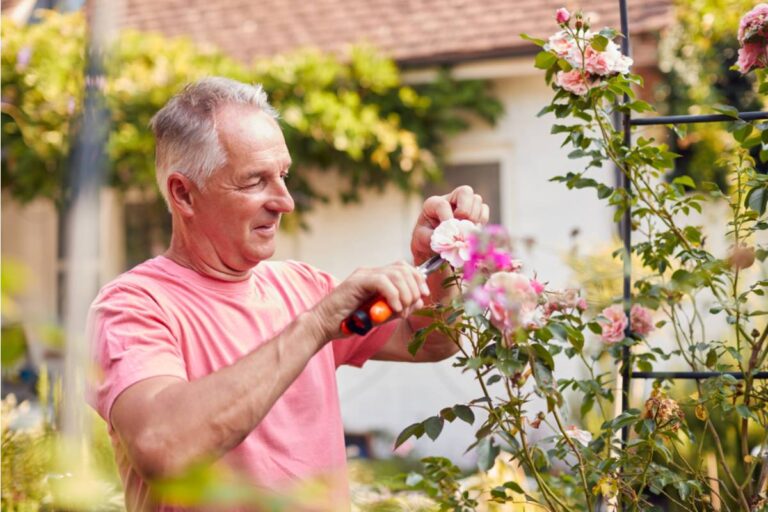
For the wife, gardening seemed to be something she genuinely enjoyed. She wasn’t simply maintaining a yard because she had to, but appeared to take pleasure in planting, tending, and improving the outdoor space. For her husband, however, those same activities looked like work. The difference wasn’t necessarily about how much effort the garden required, but about how each person experienced that effort.
That distinction became the heart of the disagreement. Something that feels relaxing to one person can feel like another chore to someone else. The husband didn’t understand why his wife’s enjoyment of gardening should automatically turn it into a shared responsibility. His wife apparently saw the garden as part of their shared home, making the line between hobby and household work much less clear.
He Wasn’t Refusing Every Request
The man made an important distinction in his explanation. He wasn’t saying he would never step outside or lift a finger around the garden. If his wife needed help moving something heavy or handling a task she couldn’t reasonably do alone, he was willing to pitch in. What he objected to was being expected to participate in routine gardening simply because his wife considered it another household chore.
That distinction mattered to many people responding to the situation. Helping a spouse with an occasional difficult task is very different from taking on an entire hobby. A heavy planter might require two people, while hours of weeding and planting could be something the gardener chooses because she enjoys it. The question became where the reasonable boundary should be drawn.
The Couple Had to Decide What Actually Counts as a Chore
One response from a person pointed out that some outdoor maintenance probably should be shared. Mowing the lawn, trimming hedges, and keeping basic areas of the property under control can be viewed as ordinary responsibilities of owning a home. Those tasks exist whether or not either spouse has a passion for them. The elaborate extras are where the definition of a hobby becomes much more convincing.
Another response from a person offered a useful distinction based on what the garden actually contained. A flower bed created purely because the wife loved flowers could reasonably be her hobby. But if the garden produced vegetables that both spouses regularly ate, the situation became more complicated because both people benefited from the work. The size and purpose of the garden therefore mattered almost as much as who enjoyed tending it.
The Yard Itself Could Still Be a Shared Responsibility
Several responses warned that calling all gardening optional might go too far. Even someone who dislikes gardening still has to deal with basic property maintenance. Grass doesn’t stop growing because one spouse doesn’t enjoy mowing, and neglected vegetation can eventually become a genuine maintenance problem.
That created a possible compromise. The couple could divide ordinary yard maintenance while leaving specialized gardening to the person who actually enjoyed it. This would prevent the husband from being forced into a hobby while also preventing the outdoor areas from becoming neglected. In other words, the disagreement might have been less about gardening itself and more about defining the baseline responsibilities of their home.
Some People Asked What the Husband Gets From the Garden
A response from a person raised an interesting point: whether the husband enjoyed the benefits created by his wife’s work. If the garden made the property look beautiful, improved the outdoor space, or provided fresh produce they both ate, then he wasn’t necessarily receiving nothing from the effort. Even someone who never touches a flower bed can still enjoy sitting in a beautiful yard.
That didn’t automatically mean he had to become a gardener. But it did introduce the idea that household contributions don’t always have to be identical. One spouse might do something because they enjoy it while the other contributes in a different way. The challenge is making sure both people feel their efforts are appreciated rather than assuming one person’s hobby should become the other’s obligation.
The Garden Might Have Been More Than a Hobby
Some responses focused on whether the garden produced meaningful food. If the couple relied on vegetables or herbs from it, then helping with the garden could arguably be more like helping with a household resource. The same would be true if maintaining the garden was necessary to preserve the property or prevent expensive problems.
But if the garden consisted primarily of flowers, decorative plants, pots, and other projects the wife personally wanted, the argument shifted again. In that case, the extra work was largely created by her preferences. One response from a person compared it to having a crafting hobby and expecting a spouse to clean up the supplies. The comparison captured why some people thought the husband had a legitimate point.
The Wife May Have Wanted Company More Than Help
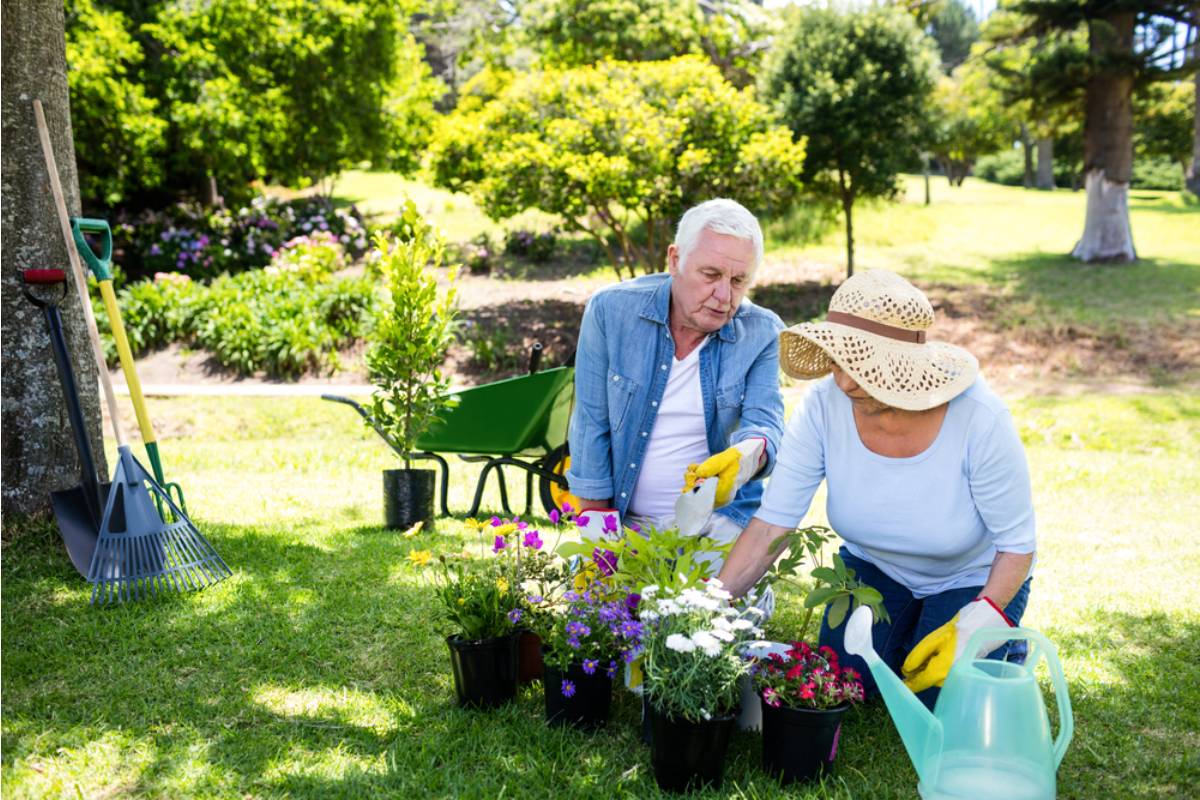
One of the more thoughtful responses suggested that the gardening requests might not really be about labor. The wife could have been asking her husband to join her because she wanted company while doing something she loved. After retirement, spending time together can become more important, especially when daily routines change dramatically.
That possibility added an emotional layer to the disagreement. The husband might have heard, “Help me with this chore,” while his wife might have meant, “Come spend some time with me.” If that was the case, simply refusing to garden wouldn’t solve the underlying issue. The couple might need to find another activity they both enjoyed instead of trying to force a shared hobby.
Not Everyone Thought Couples Need the Same Hobbies
A response from a person argued that spouses don’t need to share every interest. People can have separate hobbies while still having a strong relationship. One person might enjoy gardening while the other prefers working on cars, watching sports, reading, cooking, or pursuing another personal interest. Retirement doesn’t mean two people suddenly have to spend every waking hour doing the same things.
That perspective resonated with the idea that healthy relationships can include both shared and independent interests. The wife should be able to enjoy gardening without requiring her husband to love it too. Likewise, the husband should be able to spend his free time on activities he actually enjoys. The important part is making sure separate hobbies don’t become a source of resentment.
Some Responses Thought He Should Occasionally Join Her
Not everyone was convinced that refusing gardening entirely was the best approach. One response from a person suggested that sometimes people participate in activities they don’t particularly enjoy simply because they love the person asking. It doesn’t mean the activity has become a permanent chore. Sometimes an occasional gesture can mean more to a spouse than the actual work involved.
Another response from a person described a similar arrangement in which one spouse loved gardening while the other didn’t. The non-gardener still helped with occasional heavy lifting and enjoyed the results of the garden. That arrangement worked because the help was offered as a favor rather than treated as a mandatory assignment. The distinction between “I am helping you” and “this is now my chore” seemed to matter enormously.
Hiring Help Could Solve the Practical Problem
Several people suggested an alternative that could save the couple from repeatedly arguing about plants. If the garden had become too much for the wife to manage alone, they could consider hiring someone for the tasks she couldn’t handle. That would allow her to continue enjoying the parts of gardening she loved without expecting her husband to take over the unpleasant work.
One response from a person even described hiring occasional help during particularly demanding periods. Heavy preparation, moving soil, and major seasonal work can be physically demanding, especially for older homeowners. Paying for assistance could therefore solve two problems at once: the wife wouldn’t have to abandon her hobby, and the husband wouldn’t have to spend his retirement doing something he strongly disliked.
Some People Saw a Potential Relationship Problem
A few responses took a more emotional view of the situation. They warned that refusing to participate could eventually make the wife feel ignored, even if the husband was technically correct that gardening was her hobby. The issue could become less about plants and more about whether she felt her partner cared about the things that made her happy.
That doesn’t mean the husband had to spend every afternoon digging flower beds. But a small amount of occasional participation might communicate support without turning gardening into a permanent responsibility. The bigger risk was allowing a simple disagreement about chores to become a symbol of something much larger. Once resentment enters a relationship, the original argument can become surprisingly difficult to recognize.
The Responses Were Divided Over Where the Line Should Be
Most responses leaned toward supporting the husband’s basic position, but there were exceptions. Some people believed he was overlooking the fact that gardens require maintenance regardless of whether someone enjoys doing it. Others thought he was perfectly justified in refusing to take on his wife’s personal hobby. A third group landed somewhere in the middle and believed both spouses had reasonable points.
The strongest middle ground was to separate basic property maintenance from optional gardening projects. Mowing, trimming, and preventing the yard from becoming neglected could be shared responsibilities. Extra flower beds, elaborate plant collections, and specialty gardening could remain with the person who chose to create them. That solution wouldn’t make either spouse completely happy, but it could make the argument considerably smaller.
One Gardener Admitted Her Spouse Felt the Same Way
A response from a person who loved gardening described almost the reverse situation. Her husband wasn’t interested in gardening, but he still helped with certain practical jobs because he cared about her and enjoyed the benefits of what she grew. She didn’t expect him to take over the garden, and the arrangement apparently worked because each person understood the other’s limits.
That response offered a useful lesson for the retired couple. A spouse doesn’t necessarily need to become passionate about a hobby to show support for it. Moving a heavy planter, helping with a large task once in a while, or simply complimenting the finished garden can be meaningful without requiring hours of work. Sometimes encouragement is a more realistic form of participation than shared enthusiasm.
The Real Question Wasn’t Whether Gardening Is Optional
By the end of the discussion, the argument had become much bigger than the original question. Gardening can absolutely be a hobby, but some outdoor maintenance can also be a household responsibility. The answer depends on what the couple means by gardening, what the property requires, and how much each spouse benefits from the finished result. There isn’t one universal line that works for every household.
The more important issue was whether the couple could agree on that line without turning retirement into a constant tug-of-war. The husband wanted his free time to remain his own, while his wife apparently wanted some help and possibly some companionship. If they could separate those two needs, the conflict might become much easier to solve.
A Compromise Could Let Both of Them Enjoy Retirement
The simplest solution might be for the couple to divide the outdoor work into categories. Basic property upkeep could be shared, while the more elaborate gardening projects could remain the wife’s responsibility. The husband could still offer occasional help with tasks that genuinely require another person, and the wife could accept that gardening doesn’t have to become a shared passion.
The twist in the story is that neither spouse necessarily needed to win. The husband didn’t have to become a gardener, and the wife didn’t have to give up something she loved. They simply needed to recognize that a hobby can benefit a household without automatically becoming a joint obligation. After all, retirement is supposed to give people more freedom, and that includes having the freedom to enjoy different things under the same roof.