She Co-Owns the Well Her Washington Neighbors Hooked a New House Onto Without Her OK. When the State Inspected, It Called the Connection Illegal.
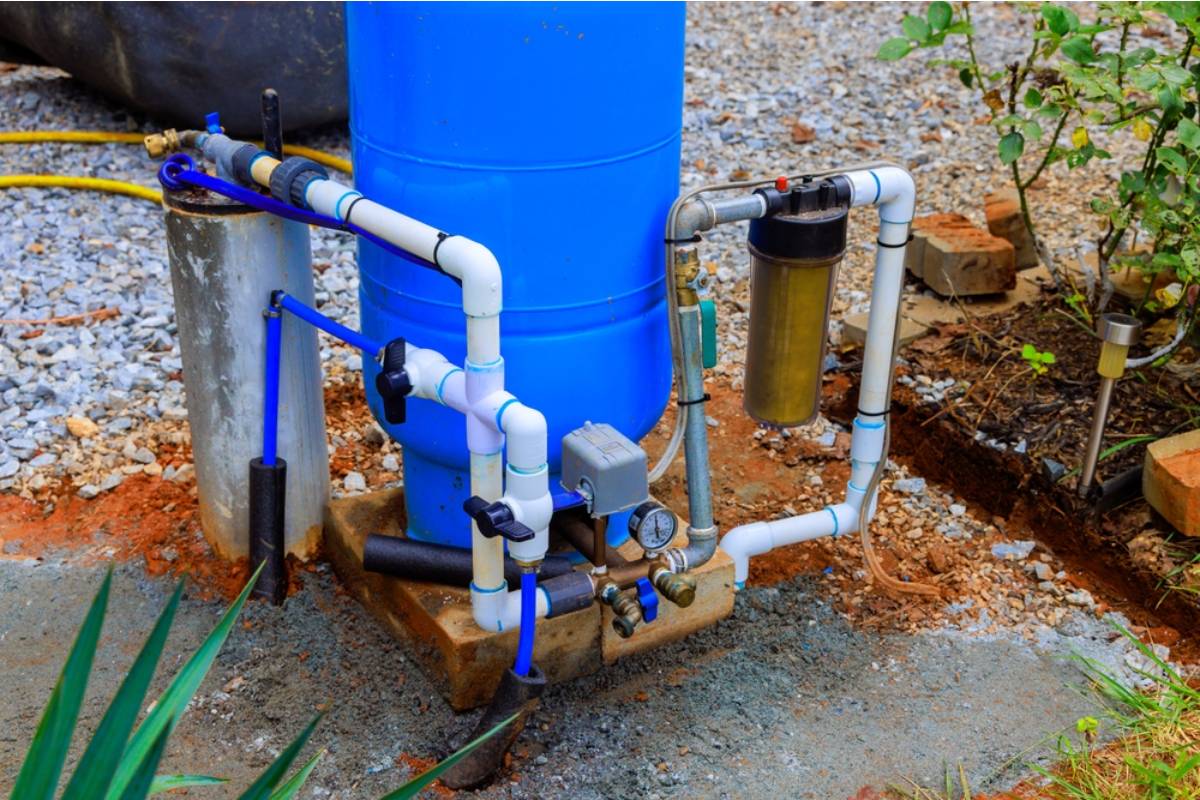
A Washington homeowner’s deed says she owns half of the well that serves her house. When a neighbor carved off a new lot and sold it with access to that well, she never agreed, and a new house was hooked up anyway. According to TwistedSifter’s account of the dispute, she called in the state, and its inspection found the hookup was an illegal connection to a private well.
Half a Well on Someone Else’s Land
The woman bought her house in 2016, when she was in her 20s, TwistedSifter reports. The well sits on a neighbor’s property, but her deed states she co-owns it.
That arrangement held until a neighbor subdivided and sold one of the new lots. The seller wrote well access into the sale agreement, but only one of the other two well owners signed off. She was not that one.
The buyers built a house and connected to the well regardless. She said the buyer paid an extra $10,000 for that access, according to TwistedSifter.
Burst Lines and Missing Records
The trouble did not stop at the hookup. She told TwistedSifter the neighbors raised the water pressure so it would reach the farthest house, and the higher pressure burst her 2-inch line twice. Her house is built slab-on-grade, which she noted when describing the damage.
She also said the neighbors used well funds for upgrades without telling her, then refused to show her bills, statements or any other records.
As she describes it, the other owners treated the well like a club with majority rule, telling her that with two votes against one, she was outvoted.
What the State Inspection Found
She contacted the state, which inspected the well. The finding, as TwistedSifter reports it, was that the system was not a water association and not a Group B water system. It was a private well with an illegal connection.
That distinction matters in Washington. The state Department of Health defines Group B public water systems as those that “serve fewer than 15 connections and fewer than 25 people per day,” and the department offers funding, training and other support for water systems that serve the public.
She said the new owners had gotten their permits using old paperwork claiming the well was an association, and the health department had not caught it. The new homeowner’s own agreement says repair costs are to be paid “as set by the well owners.” It is four sentences long, she said, and is not recorded with the county.
Washington treats water differently from land. The Washington State Department of Ecology notes that “water is not a property right in Washington state,” and requires a notice of intent 72 hours before a well is drilled.
Then the Neighbors Pulled Her Mortgage
The response from next door was not a negotiation. She said the neighbors pulled her deed, title and mortgage documents and accused her of violating her mortgage by farming. She told TwistedSifter her mortgage restricts the property from being used primarily for farming, and that it is her primary residence.
The neighbors then asked the other co-owner of the well to approach her about having a say. She refused. Now, she said, the neighbors claim they were tricked.
The state, she said, gave her two options: kick them off or upgrade the well. As of her account, she had done neither, and was asking whether she could legally remove the connection.
Readers who weighed in mostly told her to talk to a lawyer, TwistedSifter reports, and some suggested calling local news. Legal publisher Nolo says mediation “is one of the most effective ways to deal with disagreements with neighbors,” though this fight has already moved well past a friendly talk.
Wells and Hoses Next Door
Shared water has a way of turning neighbors into rivals. One homeowner said a neighbor blamed his garden for a shared well running dry, then was caught filling a pool from the same line. In another case, Quesha Foster followed a running hose from her spigot to the next yard, where her neighbor was watering a lawn with her water.
For the Washington homeowner, the paperwork is on her side and the state has weighed in. What is left is deciding whether to cut off a house that, by the state’s finding, should never have been connected.
This article was produced with AI assistance and edited for accuracy against the sources linked above.