‘An Absolute Travesty’: Greene King Applied to Fell the 100-Year-Old Oak at Strelley’s Broad Oak Pub, and the Council Has Now Put a Protection Order on It
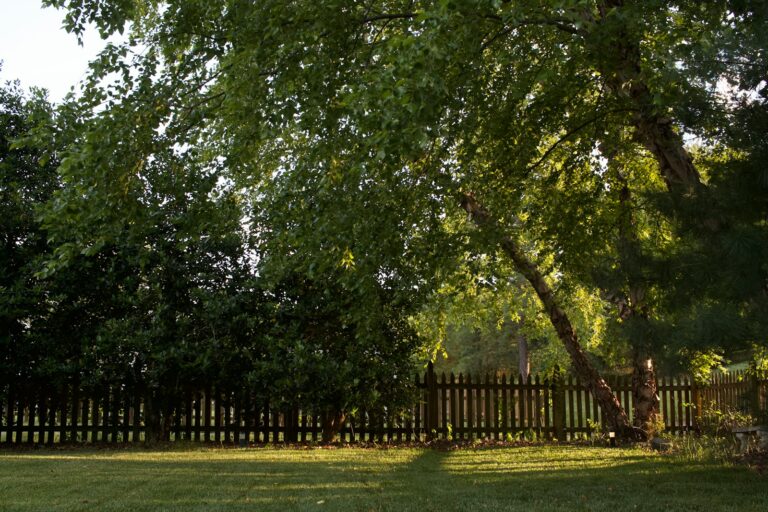
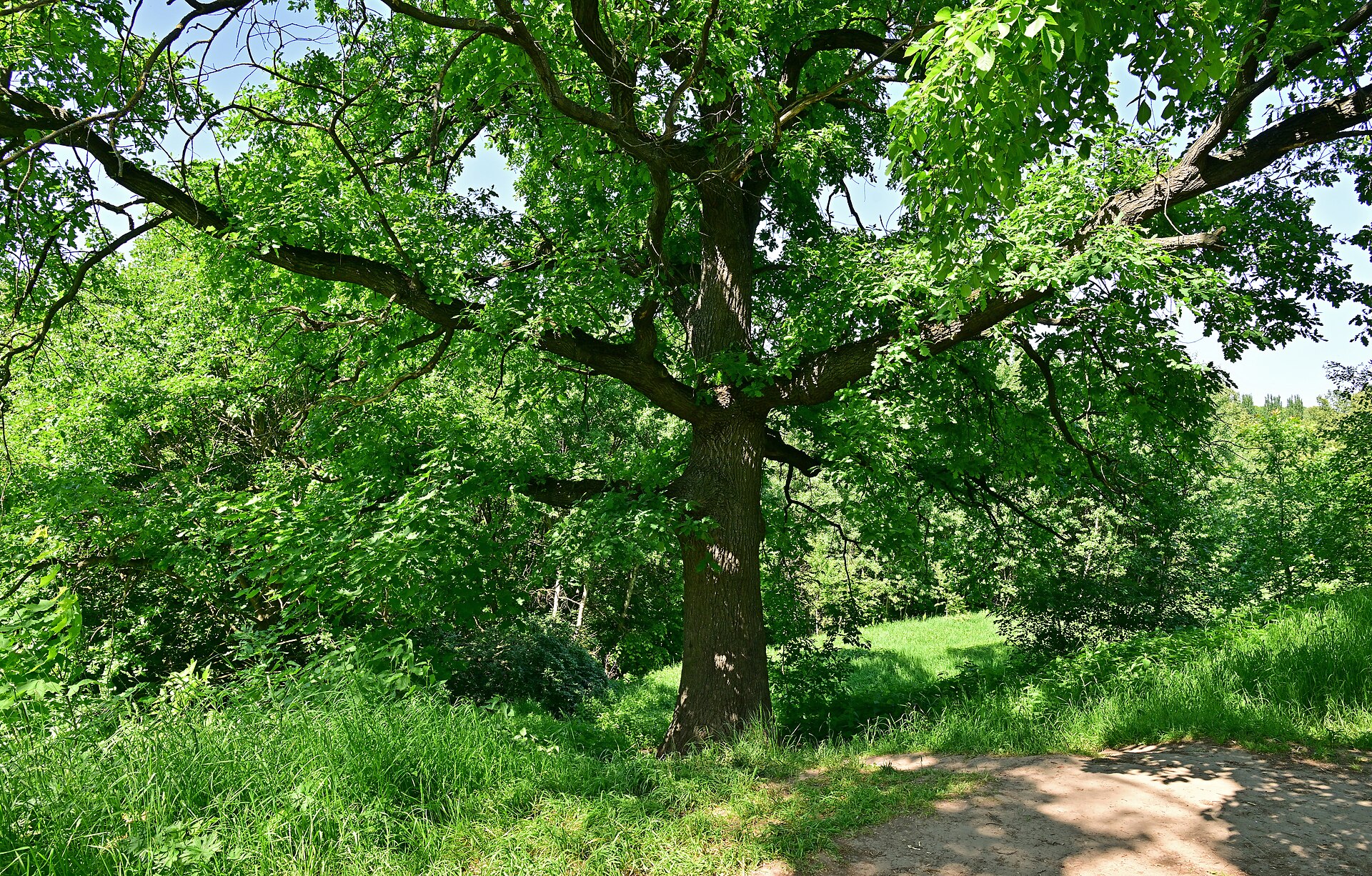
The oak in the garden of The Broad Oak pub on Main Street in Strelley, Nottinghamshire, is thought to be at least 100 years old. Its owner, the pub chain Greene King, wants it felled after an inspection found decay at its base. Villagers want it saved, and their local councillor has called the plan “an absolute travesty.”
For now, the tree is standing under legal protection. Broxtowe Borough Council placed a provisional Tree Preservation Order on it on Nov. 10, which means it cannot be cut down without the council’s consent.
Decay at the Base and a Fallen Branch
Greene King submitted a planning application in October to remove the oak, citing safeguarding concerns, according to the West Bridgford Wire, which reported on the campaign on Nov. 14.
The company hired the tree firm Sky High to look at it. Inspector Darran Burke carried out a ground-level Visual Tree Assessment and reported “significant structural and physiological concerns.” His findings included the fungus Pseudoinonotus dryadeus, pockets of brown cubical decay at the base, declining vitality in the crown and a recent significant branch failure. He also noted possible secondary fungal involvement, potentially Armillaria mellea, commonly known as honey fungus. The report recommended urgent action.
Greene King is now waiting on a Sonic Tomography survey, a test that maps the inside of a trunk to show how much sound wood remains. The results will be discussed with the council. A spokesperson for The Broad Oak said the pub values the tree and is following the proper process while balancing conservation with public safety.
‘A Totem for the Whole Village’
The oak carries history for Strelley. It is not the original tree that gave the pub its name. Martin Milmoe, chairman of the Strelley Village Group, said that oak was felled for safety reasons in 1982 after it was set on fire.
Keith Harrison, who runs a nine-acre community wilding project, called the current oak a “totem for the whole village” and said it appears to be in “great shape.”
Cllr Phillip Owen, a Conservative who represents the Nuthall East and Strelley ward, went further. He called the removal plan “an absolute travesty” and said Greene King had been told to reassess its proposals. The BBC also reported on the villagers’ campaign to keep the tree.
What the Protection Order Does
Councils in England can protect individual trees under section 198 of the Town and Country Planning Act 1990, which lets a local planning authority make an order when it is “expedient in the interests of amenity” to preserve trees in its area.
Once an order is made, it bites immediately. The government’s guidance on Tree Preservation Orders says an order takes effect on the day it is made, and that provisional protection lasts for 6 months unless the council confirms the order or decides not to. During that time, cutting down, topping, lopping, uprooting or wilfully damaging the tree requires the council’s written consent.
The owner gets a say first. Anyone notified of an order must be given at least 28 days to object, and objections can be made on any grounds. Greene King can submit its objections before Broxtowe decides whether to confirm the order, and the felling application could end up before a planning committee.
The Cost of Cutting a Protected Tree
The order carries real weight. Under section 210 of the 1990 Act, anyone who cuts down, uproots or wilfully destroys a protected tree without consent is guilty of an offence. The government guidance says the fine in a magistrates’ court can be up to £20,000, and serious cases can go to the Crown Court, where the fine is unlimited. Courts must take into account any financial gain from the offence, and the landowner can also be required to plant a replacement.
There is a safety valve. The guidance allows urgent work on a protected tree that poses an immediate risk of serious harm, as long as the council is told in writing as soon as practicable and the work is limited to removing the danger. In Strelley, the tomography results are expected to shape what happens next.
Old trees do not always win these fights. In Telford, a 144-year-old protected sequoia was cleared for felling after a branch fell beside a neighbour’s front door. In Charlotte, neighbors who begged a developer to spare a 100-year-old oak lost it anyway.
For now, the next step is the scan of the trunk. Until the council rules, the oak in the pub garden stays.
This article was produced with AI assistance and edited for accuracy against the sources linked above.
Image: Юрий Д.К. – CC BY 4.0/Wikimedia Commons