Strangers From His Neighbor’s Free Produce Stand Kept Climbing Into His Garden for Tomatoes and Beans, So He Asked to Have the Stand Moved. The Answer Was No.
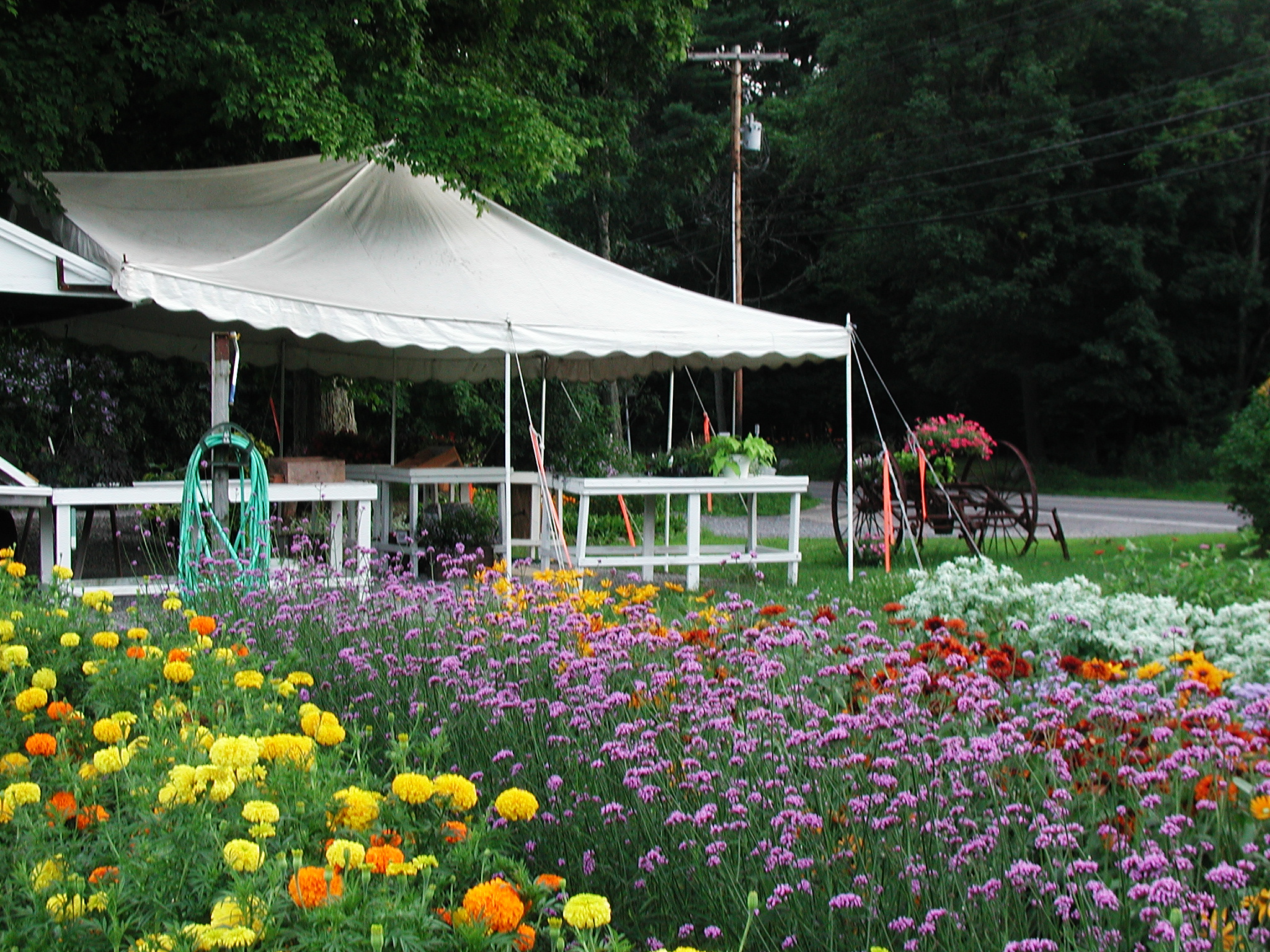
The stand next door was meant to be a kindness. A neighbor set up a free spot where anyone could pick up garden produce, pantry staples and donated goods. But for the homeowner on the other side of the fence, it brought a steady stream of strangers who did not stop at the stand. They kept reaching into his own garden, and some climbed right in.
His story was written up by Jayne Elliott for TwistedSifter on Nov. 4. Neither neighbor is named, and the town is not given.
Tomatoes and Beans Kept Disappearing
According to the account, visitors to the stand wandered into the homeowner’s yard and picked his tomatoes and beans. Some held children over the fence to grab produce. Others jumped it.
He tried the low-key fixes first. He put up signs, added rabbit fencing and hung a tarp. None of it stopped the picking.
The confrontations got louder. He describes yelling at one woman to stop, telling her the vegetables were not hers to take. In another run-in, a man in his 50s came back, and the homeowner sprayed him with a hose.
The Neighbor Said No, at Least Until the Season Ends
The neighbor who runs the stand saw it differently. According to the write-up, the neighbor said the homeowner was scaring people away and asked him to stop. At one point the neighbor asked whether he really could not afford to share.
The homeowner asked to have the stand moved. The neighbor said no, at least not before the end of the season. The homeowner, for his part, says he does not care about a solution that benefits the whole community, and plans to keep pushing back until the picking stops.
Free Food Stands Have Become Common
The idea behind the stand is popular. The mini pantry movement, spread through groups like the Little Free Pantry project, encourages neighbors to set up easy-to-reach spots for donated food and household goods, where people give what they can and take what they need.
In Wisconsin, Wisconsin Public Radio has reported on dozens of unstaffed pantries that are open around the clock. One pastor told WPR that “people are capable of assessing for themselves what they need.”
Gardeners are a big part of that supply. AmpleHarvest.org, a nonprofit that connects home growers with food pantries, cites National Gardening Association figures showing more than 61 million American households now grow fruit, vegetables, herbs or nuts, up from about 42 million before the pandemic. The group estimates their surplus could feed 28 million Americans.
The trouble in this case is not the sharing. It is where the line falls between the stand’s produce and the garden a few feet away.
What Actually Keeps Hands Out of a Vegetable Bed
Rabbit fencing, one of the homeowner’s first fixes, is built for a different problem. The University of Georgia Extension’s guide to garden fencing recommends a 2-foot chicken-wire fence with 1-inch mesh for rabbits, with a 12-inch apron buried outward. Deer need a fence at least 6 to 8 feet tall. A low barrier that stops a rabbit will not stop an adult, or a child being lifted over it.
The same guide notes that chain-link fencing, typically 4 to 6 feet high, is sturdier but costly and slow to install. For a homeowner dealing with people rather than animals, a taller solid barrier or moving the vegetable beds away from the shared line may do more than another sign.
The AmpleHarvest model also points to a gentler option for anyone growing more than they need: donating the surplus to a nearby pantry, rather than leaving the fence line as the only boundary between what is free and what is not.
A Season-End Truce, for Now
Lovely Garden Roots has covered other cases where shared harvests went sideways, including a gardener who grew extra vegetables for the neighborhood until one person took more than everyone else combined and another who found a neighbor taking ripe vegetables every trash day.
With fall here, the growing season is nearly over, and the stand’s own end-of-season deadline may settle the fight for this year. Whether the two neighbors can find a fix before next spring’s tomatoes ripen is another question.
This article was produced with AI assistance and edited for accuracy against the sources linked above.
Image: Dwight Sipler from Stow, MA, USA – CC BY 2.0/Wikimedia Commons