A Phoenix Man Was Trapped in a 6-Foot Sinkhole That Opened in His Backyard, and a Pickup Truck Partly Sank Into It Too
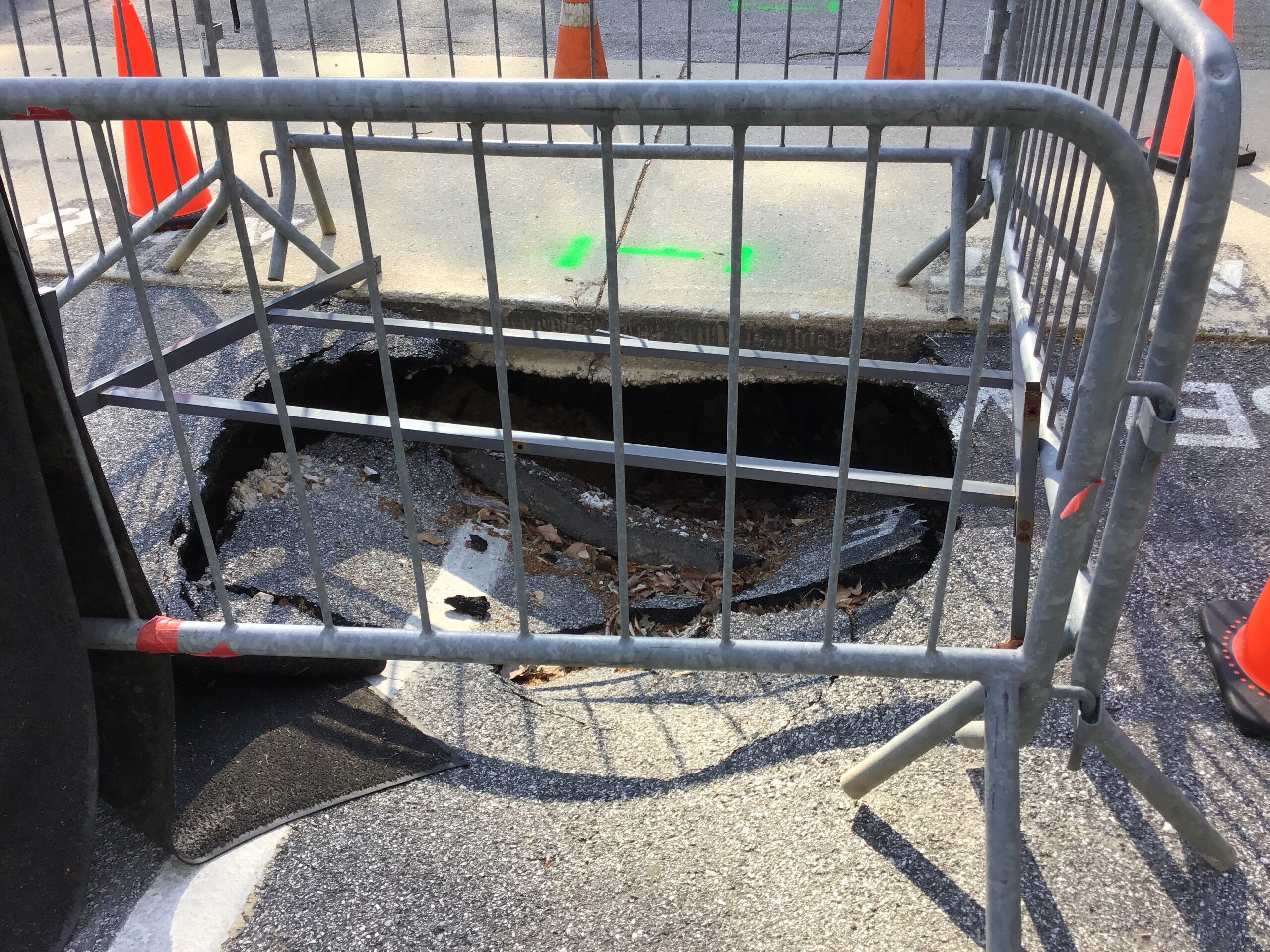
Around 3 p.m. on Sunday, Nov. 1, the ground in a Phoenix backyard near 24th Street and Thomas Road gave way. A man dropped into a hole about 6 feet deep, hurt his chest and could not climb out, and a pickup truck partly slid into the same hole beside him, FOX 10 Phoenix reported, citing the Phoenix Fire Department.
He made it out. A Phoenix Fire technical rescue crew first stabilized the truck so it would not sink any farther, then lowered a rescue technician into the sinkhole to bring him up. He was taken to a nearby hospital in stable condition, and no firefighters were hurt.
A Pickup Partly Swallowed
The pickup turned a backyard emergency into a technical rescue. With the truck partly swallowed by the opening, crews had to secure it before anyone could safely go down after the injured man, fire officials said.
The department’s Firefighting Division runs several special operations teams, and a Technical Rescue Team is one of them, according to the city. The department lists 58 fire stations across Phoenix.
An account of the rescue published by The Cool Down on Nov. 5 described the same sequence: technical rescue crews were dispatched around 3 p.m., secured the pickup to keep it from falling deeper, and a rescue technician descended into the hole and brought the man out.
The man has not been publicly identified, and his age has not been released.
What Caused It Is Still Unknown
The Phoenix Fire Department said the cause of the sinkhole was unknown. No official has tied it to a broken pipe, construction or anything else under the yard.
The collapse did come during a wet stretch for Arizona. Gov. Katie Hobbs declared a statewide state of emergency on Monday, Nov. 2, releasing $200,000 in state emergency funds for flood response and recovery after 72 hours of what KJZZ described as “historic rainfall” that began Oct. 30. Sedona ordered mass evacuations that Sunday morning after Oak Creek Canyon flooded, and highways near Winslow and Sedona were closed.
Whether any of that rain played a role in the Phoenix backyard has not been established.
How Ground Gives Way Under a Yard
“Sinkholes happen when the ground below the land surface cannot support the land surface,” the U.S. Geological Survey explains. The agency says the land often stays intact for a while until the spaces underground grow too large.
The USGS describes two common types. Cover-subsidence sinkholes develop gradually where the soil on top is sandy and permeable, and they can go unnoticed for long periods. Cover-collapse sinkholes, which form where the covering sediment holds a lot of clay, “may develop abruptly (over a period of hours) and cause catastrophic damage.”
Human activity can set them off as well. The USGS lists groundwater pumping, construction, added weight from new material and changes to natural drainage among the land uses linked to new sinkholes. Groundwater, the agency notes, helps hold up the soil above it, so lowering water levels can lead to failures at the surface.
Where Arizona Homeowners Can Check Ground Hazards
Arizona has its own ground problems tied to water. The Arizona Geological Survey says earth fissures in the state “result from basin subsidence associated with extensive groundwater withdrawal,” as pumping lets valley floors sink and crack. Fissures crop out in Cochise, La Paz, Maricopa, Pima and Pinal counties, according to the survey, which calls them a hazard that threatens “people, property, infrastructure.”
The survey maps fissures and publishes the results in its Natural Hazards in Arizona Viewer, and it advises homeowners who find a fissure on their property to consult a geotechnical professional.
For the man pulled out of the hole near 24th Street and Thomas Road, Nov. 1 ended with a ride to the hospital in stable condition, after crews pinned a pickup in place so a rescuer could go down and reach him in a 6-foot hole that had opened in his own backyard.
This article was produced with AI assistance and edited for accuracy against the sources linked above.
Image: Kayree kh – CC BY 3.0/Wikimedia Commons