An Elkins Park Man Trims His Neighbors’ Overgrown Hedges Off the Sidewalk Himself, and Cheltenham Says Fines Can Reach $600 a Day
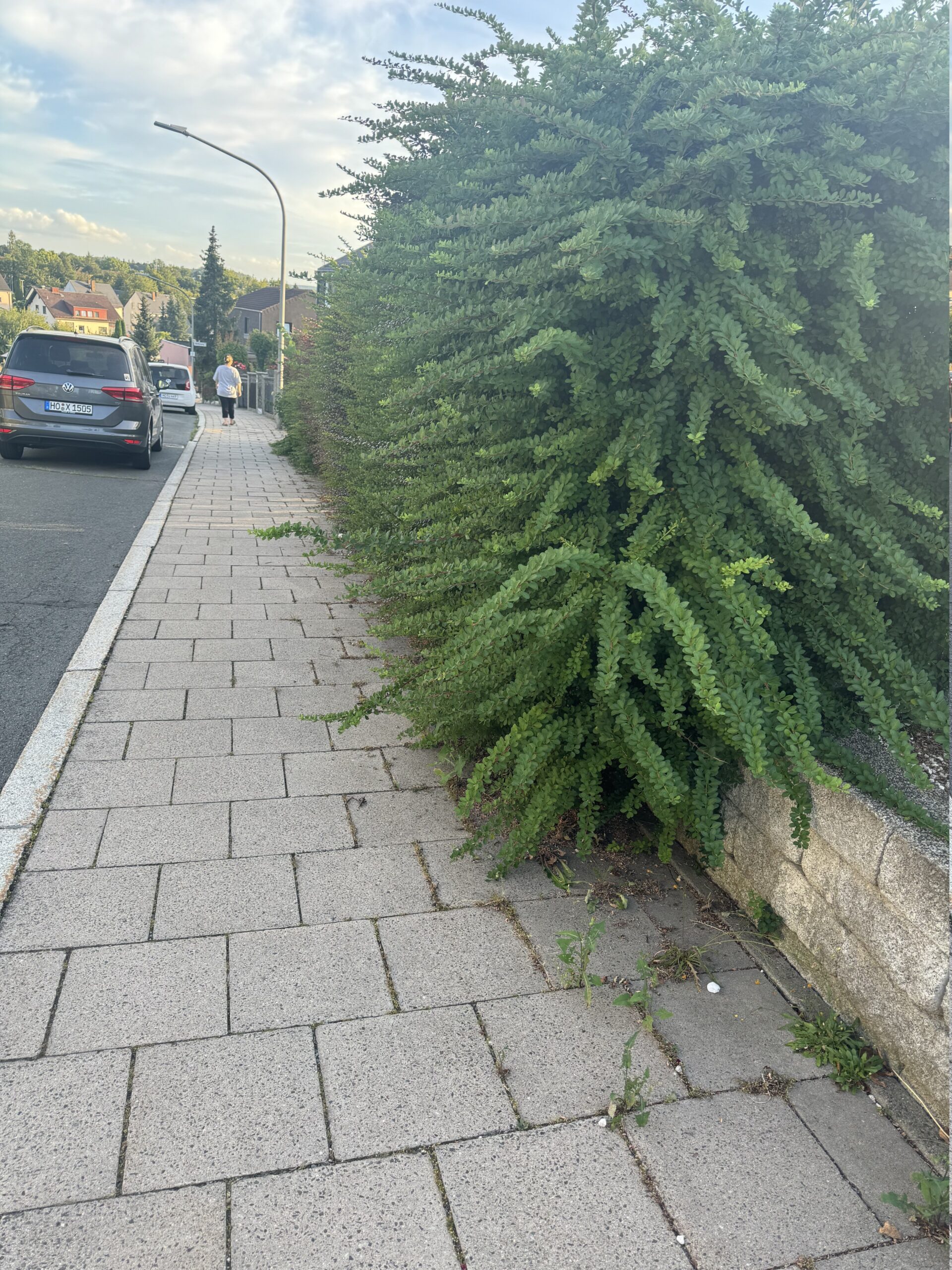
Brian Gralnick carries his own clippers. The 47-year-old, who has lived in Elkins Park his whole life, has taken to trimming the shrubs that spill over Cheltenham Township’s sidewalks himself, and filing complaints about the ones he cannot reach, as many as a dozen on a single weekend.
His one-man campaign is at the center of a Philadelphia Inquirer report published Nov. 16 on how the township handles hedges that grow from private yards onto public walkways, and why the same bushes keep coming back.
How Cheltenham’s Process Works
Enforcement in the township runs on complaints. Scott Lynch, Cheltenham’s head of building and codes and its fire marshal, told the Inquirer that inspectors typically visit within one business day of a complaint.
The first step is a courtesy letter. Lynch says about 85% of residents fix the problem after that letter alone. If there is no response within three days, a violation notice follows. After 10 days, the township can file a citation in local court, and fines can reach $600 per day.
The township’s code bars vegetation that obstructs “normal passage” on sidewalks. Lynch said Cheltenham Township sometimes does the trimming itself and bills the property owner, and that it may hold off on penalties for residents who stay in contact and cannot afford the work, or who are otherwise vulnerable.
Why the Hedges Grow Right Back
The catch, Lynch said, is that the township cannot require homeowners to cut back further than the sidewalk edge. A hedge trimmed flush with the walkway in the fall is back over it by the next growing season, and the complaint cycle starts again.
Horticulture explains why. The University of Minnesota Extension says hedges need frequent pruning, with new growth trimmed each time it adds 6 to 8 inches once a hedge reaches its desired height, and suggests trimming twice a year, in spring and midsummer. A hedge that gets one hard cut after a complaint will outgrow it quickly.
The Inquirer found a Google Maps image from April 2025 showing the same bush encroaching on a sidewalk that residents were still complaining about this fall.
Who Gets Squeezed
For walkers, the problem is not cosmetic. Federal public right-of-way accessibility guidelines, issued by the U.S. Access Board under the Americans with Disabilities Act, cover sidewalks and other pedestrian routes. A shrub that narrows a walkway can push a wheelchair user, a parent with a stroller or a runner into the street.
Residents quoted by the Inquirer included a long-distance runner, Lauren Siegel, 66, and Molly Wernick, 38, who moved back to the township from Philadelphia’s Point Breeze neighborhood. Kai Jones, owner of Jones Lawn and Landscape in nearby Wyndmoor, also weighed in on the work involved.
Overgrowth that spills from a yard onto a shared space is the kind of thing nuisance law was built for. Cornell Law School’s Legal Information Institute describes a nuisance as an unreasonable interference with others’ use of property, which is why most towns write their own vegetation rules rather than leave it to neighbors to sue.
The Township Says It Is Looking Again
After the Inquirer contacted Cheltenham, the township said it would take another look at a property on Spring Avenue and revisit a hedge problem on Union Avenue near Montgomery Avenue. Township spokesperson Lauren Walter called the process “frustrating” but said it is ongoing even when residents do not see visible action.
Sidewalk complaints have hit gardeners elsewhere, too. Providence cited a 71-year-old’s native plant yard after a neighbor said it blocked the sidewalk.
Until the rules change or the shrubs stop growing, Gralnick plans to keep clipping.
This article was produced with AI assistance and edited for accuracy against the sources linked above.
Image: Unregistrierter Nutzer – CC BY-SA 4.0/Wikimedia Commons