Providence Cited 71-Year-Old Lynne Bell’s Native Plant Yard for ‘Weeds’ After a Neighbor Said It Blocked the Sidewalk
According to ecoRI News, Providence city inspectors warned a 71-year-old East Side woman about “Weeds” on Sept. 8, issued her a notice of violation on Oct. 15, and closed the case on Nov. 9. The yard belongs to Lynne Bell of Rochambeau Avenue, who replaced most of her lawn with pollinator plantings and a food garden. An inspector told ecoRI that a complaint said the overgrowth was blocking the sidewalk.
The account comes from a column by ecoRI’s Frank Carini, published Nov. 12. The dates below are the ones the column lays out, and the city’s only on-record statement in it is the inspector’s Nov. 9 email.
Sept. 8: A Warning Notice Under Code 302.4
The paper trail begins with an initial city inspection on Aug. 17. On Sept. 8, Providence issued Bell a “Warning Notice” that cited code 302.4, labeled “Weeds,” and asked her to cut the overgrowth around the entire property, according to ecoRI.
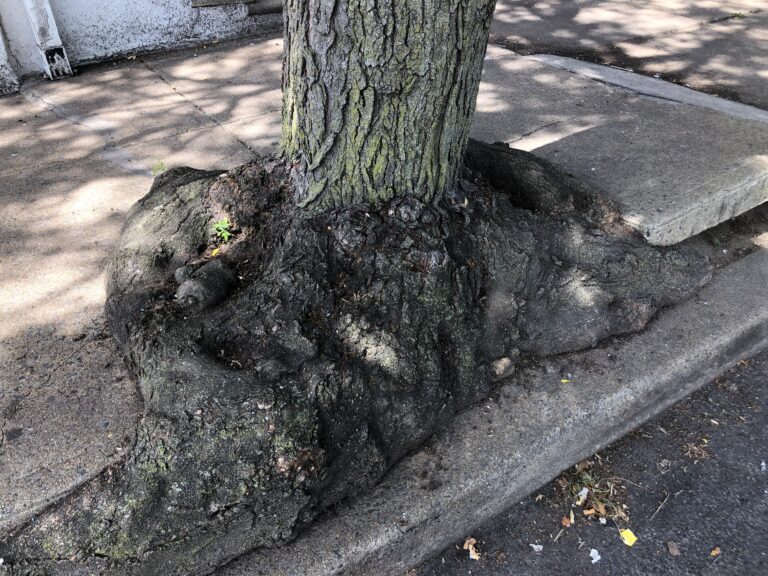
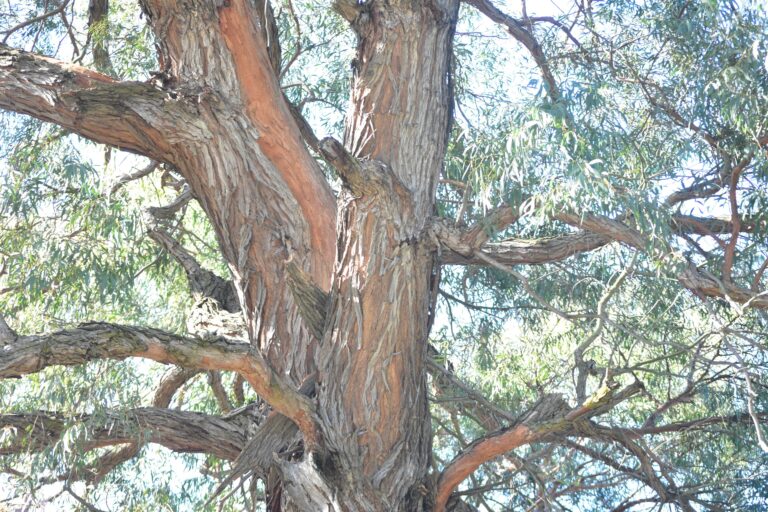
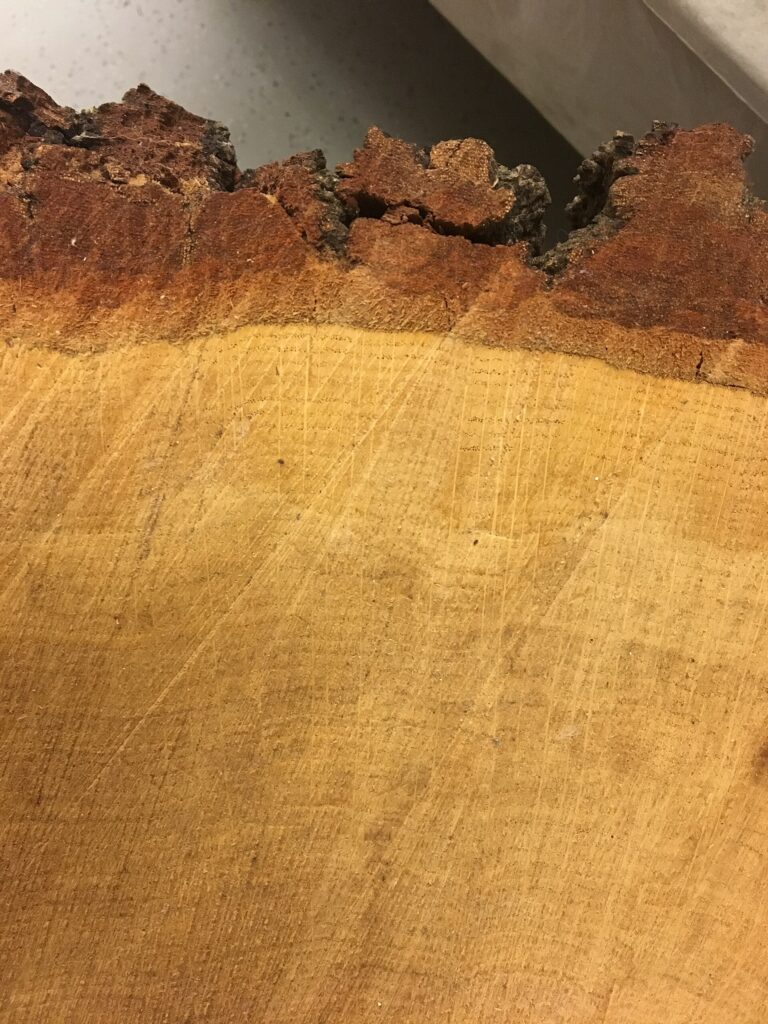
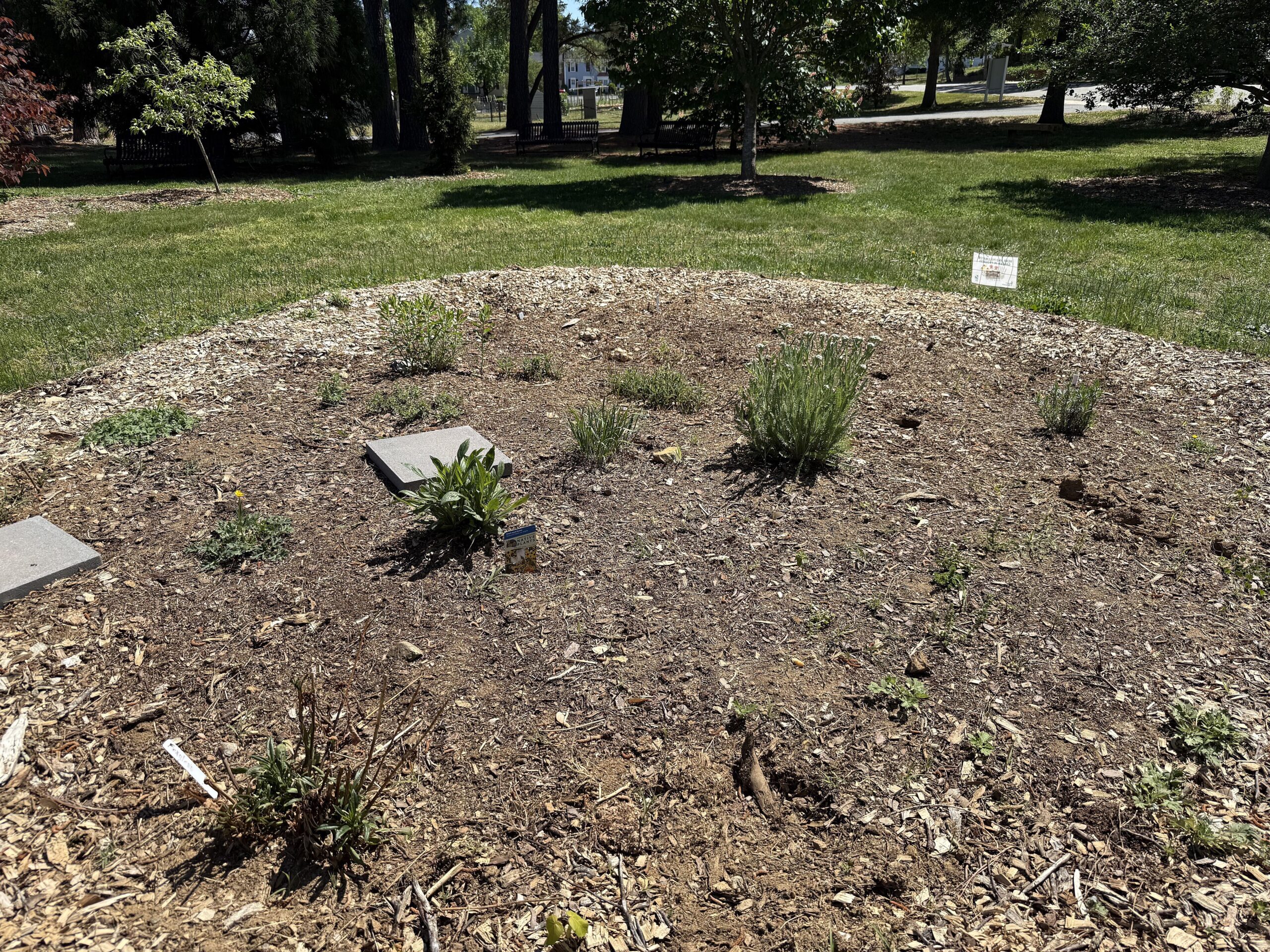
Bell has lived in the house since 1986. Her yard holds raspberry bushes, tomato plants, milkweed, cardinal flower, Joe-pye weed, goldenrod, violets, irises, crocuses, blue false indigo and black-eyed Susan, along with other native and nonnative plants. A champion white oak, at least a few centuries old, stands on the lot. She keeps three compost bins, mows what grass remains once a month with an electric mower, and does not own a car, the column says.
After the warning, Bell told ecoRI, she trimmed her plantings in the yard and along the sidewalk strip. She then left voicemails asking someone from the city to visit and confirm the work. By her account, nobody called back.
Oct. 15: A First Notice of Violation and Correction Order
An inspector returned on Oct. 13 and found the overgrowth still in place, according to the column. Two days later, on Oct. 15, the city’s Department of Inspection and Standards sent a “1st Notice of Violation and Correction Order,” again citing 302.4.
Bell said she had been told no one had come back since the August inspection until she spoke with the inspector after the October notice. The column says she also found something sticking out at the end of her property and cut it back once she noticed it. She told ecoRI she suspects a dog walker or someone pushing a stroller complained.
The inspector, for his part, told Carini that an individual had complained the overgrowth was blocking the sidewalk. Bell said she worries about fines and court costs and does not know what the city wants from her.
The city’s own 311 page on housing-code complaints describes how these cases usually move. After an ownership search, the Department of Inspections and Standards sends a warning notice and a first notice of violation, and an inspector revisits about 30 days later. If problems remain, a second notice follows and fines accrue daily, and a third round could mean prosecution in housing court. That page does not mention weeds or list fine amounts.
Nov. 9: The Inspector Closes the Case
On Nov. 9, the inspector emailed Bell that he had visited the property that morning, abated the violation and closed the case, according to ecoRI. The column does not say whether any fine was assessed, and it does not say who did the abating.
The Bell case is not the first time ecoRI has reported on Providence and native plantings. In September 2024, the outlet reported that the city’s Department of Public Works cut down about 90 percent of a 14,600-square-foot native meadow at the downtown train station after a single 311 complaint about overgrowth. The meadow was a partnership between the Parks Department and the federal Fish and Wildlife Service. City communications director Josh Estrella said at the time that the overgrowth “was removed in error.”
Other gardeners have faced similar notices elsewhere. Chester Perry’s native wildflower yard in East Ridge was mowed by city crews, and Danville, Illinois backed off an overgrown-vegetation case against an award-winning garden.
What the Weeds Code Says About Cultivated Gardens
Providence enforces the Rhode Island Property Maintenance Code, which the city’s Code Enforcement Division says covers residential premises and responds to complaints from tenants, emergency responders, neighbors and elected officials. The state code adopts the 2021 International Property Maintenance Code, and the Rhode Island Secretary of State’s copy lists Chapter 3 amendments only for sections 304.14 and 305.3, so section 302.4 is not among the changes.
The model text of 302.4, reproduced in an International Code Council sample, requires premises and exterior property to be kept free from weeds or plant growth above a height each jurisdiction fills in. It defines weeds as all grasses, annual plants and vegetation other than trees or shrubs, and adds that the term “shall not include cultivated flowers and gardens.” If an owner fails to cut weeds after a notice of violation, the jurisdiction may do so and bill the owner. The column does not say what height Providence applies or whether the inspector considered Bell’s plantings cultivated.
Rhode Island’s land-grant university has its own view of what belongs in a local yard. The RI Native Plant Guide, produced by URI Cooperative Extension with the Rhode Island Natural History Survey, draws on about 1,300 native Rhode Island species and covers grasses, perennials, shrubs, trees and vines. Its authors say they hope the list will increase demand for native plants and encourage their growth and distribution in the state, and its reviewers include specialists in pollinator and bird habitat.
For now, Bell’s file is closed. ecoRI’s column leaves open what the city will treat as an overgrown yard, and what it will treat as a cultivated garden, the next time a complaint comes in.
This article was produced with AI assistance and edited for accuracy against the sources linked above.
Image: Cossey25 – CC BY-SA 4.0/Wikimedia Commons