A 92-Year-Old Neighbor Had a Close Call When a Branch Fell Beside the Front Door, and Now a 144-Year-Old Protected Telford Sequoia Can Come Down
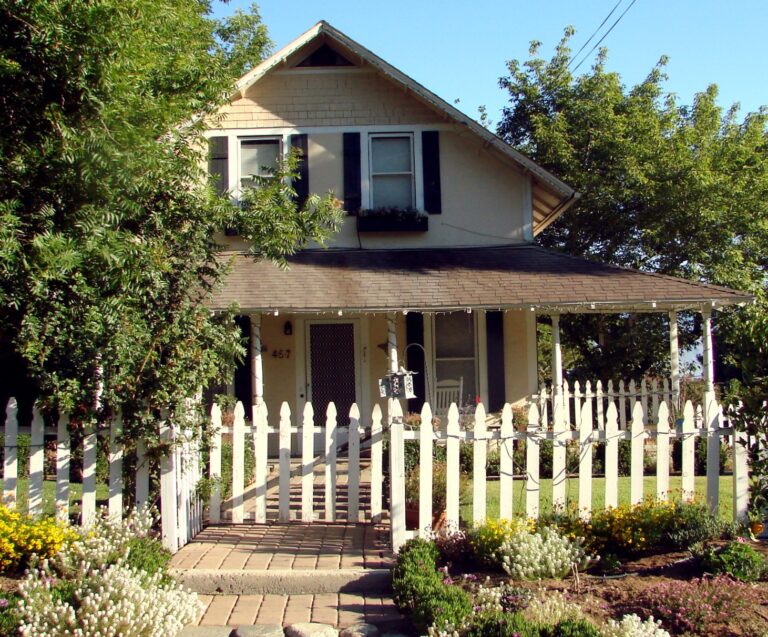
For years, the people living in the bungalows on Lindfield Drive in Wellington, Telford, have watched a giant tree drop pieces of itself onto their homes. One of them, a 92-year-old resident, told the local council that a branch fell right beside the front door and almost hit them, calling it a “very close escape.”
Now a government planning inspector has ruled that the 144-year-old protected giant sequoia can be felled, overturning the council’s refusal, according to a Shropshire Star report published Nov. 14. There is one condition still to meet before any saw comes out.
A Tree Planted in 1882
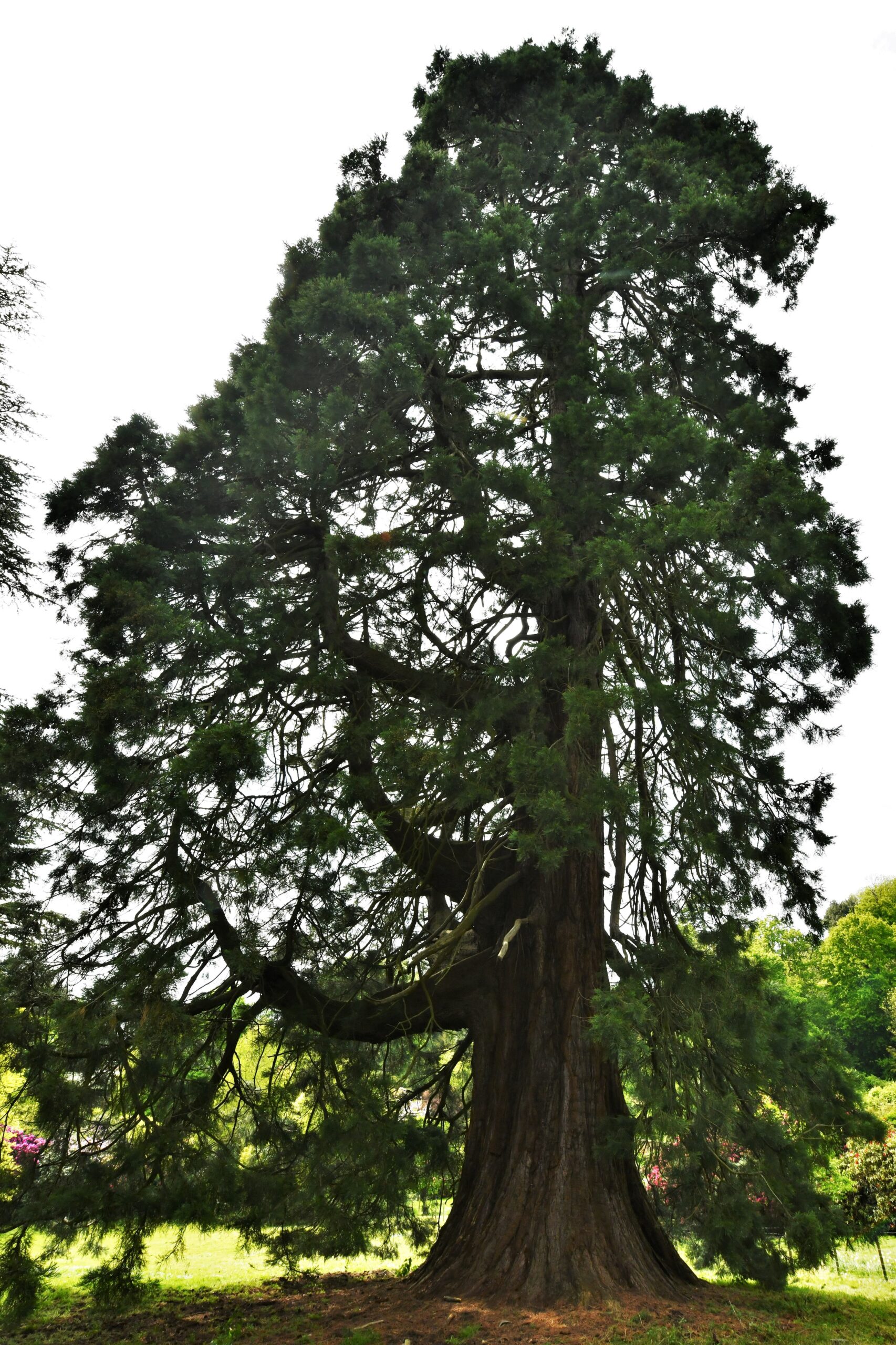
The tree is a wellingtonia, the name long used in Britain for the giant sequoia. The Shropshire Star puts it at about 21 metres tall and dates it to 1882. It stands only a few metres from the bungalows, and it is covered by a tree preservation order, which is why the neighbors could not simply have it taken down.
Giant sequoias are built to last far longer than that. In their native California, the U.S. National Park Service says the General Sherman Tree in Sequoia National Park stands 274.9 feet above its base and has a trunk weighing nearly 1,400 tons, which makes it the largest tree on Earth by volume. A garden-grown wellingtonia in an English town will never come close, but even a fraction of that bulk is a lot of tree to have hanging over a roof.
The residents’ complaint was never about how the tree looked. It was about what kept falling out of it.
Branches, Gutters and a Council Refusal
This fight has been going on for a while. In an earlier Shropshire Star report, local democracy reporter David Tooley described an application from tree care company Benbow Brothers to remove what was then described as a roughly 100ft, roughly 150-year-old wellingtonia behind Lindfield Drive.
That report said a resident in their 90s who supported the felling described branches falling, one narrowly missing them, as well as damage to the roof and eaves, gutters and drainpipes clogged with debris, and a loss of natural light. Storms, the resident said, brought great stress and anxiety. Benbow Brothers pointed to regular limb loss and damage from Storm Eowyn.
Telford & Wrekin Council refused that application. Its arboricultural officer said no assessment of the failure point had been carried out, that alternatives such as crown reduction or pruning had not been considered, and that “felling should only be considered as a last resort, with careful evaluation of all alternative solutions.”
Why the Inspector Disagreed
Under the UK government’s guidance on tree preservation orders, cutting down, topping, lopping or uprooting a protected tree requires the local authority’s written consent. If consent is refused, the applicant can appeal to the Secretary of State, and those appeals are handled by the Planning Inspectorate, the agency that decides planning appeals across England.
That is the route the tree’s owner, Jonathan Rickell, took. Inspector Elaine Benson visited the site on Oct. 3, the Shropshire Star reported, and ruled in favor of removal.
She did not pretend the loss was small. Benson acknowledged that felling the tree would cause “significant harm to the visual amenity of the area.” But she concluded that the risk of further damage to neighboring homes outweighed its visual and historic value, and that its long history of limb failure meant the danger could no longer be managed through pruning or other tree care.
The 92-year-old resident’s account was part of the record. During a planning consultation in May 2026, the Shropshire Star said, that resident told the council about the branch that fell beside the front door.
One Condition Before It Comes Down
The ruling does not mean the tree disappears this week. Rickell and the council must first agree on a replacement tree, and the inspector said the replacement should not be another wellingtonia, suggesting the species would be better suited to a public park than a spot a few metres from people’s homes.
That condition follows the wider rule. The government guidance says that when a protected tree is removed, the landowner generally has to plant a replacement of an appropriate size and species, and that duty passes on to later owners of the land.
For the bungalows on Lindfield Drive, the end of a long wait is in sight. A tree that has stood since 1882 has outgrown the gardens around it, and the people living under it finally have permission to let it go.
This article was produced with AI assistance and edited for accuracy against the sources linked above.
Image: Michael Garlick – CC BY-SA 2.0/Wikimedia Commons