She Had Watered Her Neighbor’s Plants for Years, Until They Asked the Night Before Vacation and Expected Her to Do It Anyway
A 28-year-old homeowner lived in a peaceful neighborhood where the residents generally looked out for one another. Borrowing tools, accepting packages, and helping with small chores had become normal parts of the neighborhood routine. For years, the arrangement felt easy because everyone seemed willing to return a favor when they could.
One nearby couple had particularly benefited from that friendly relationship because they occasionally traveled for short vacations. Whenever they left town, they would ask the homeowner to water their plants and collect their mail. She never considered it a burden, especially because she wanted to remain on good terms with people living nearby.
Watering the Plants Became a Routine
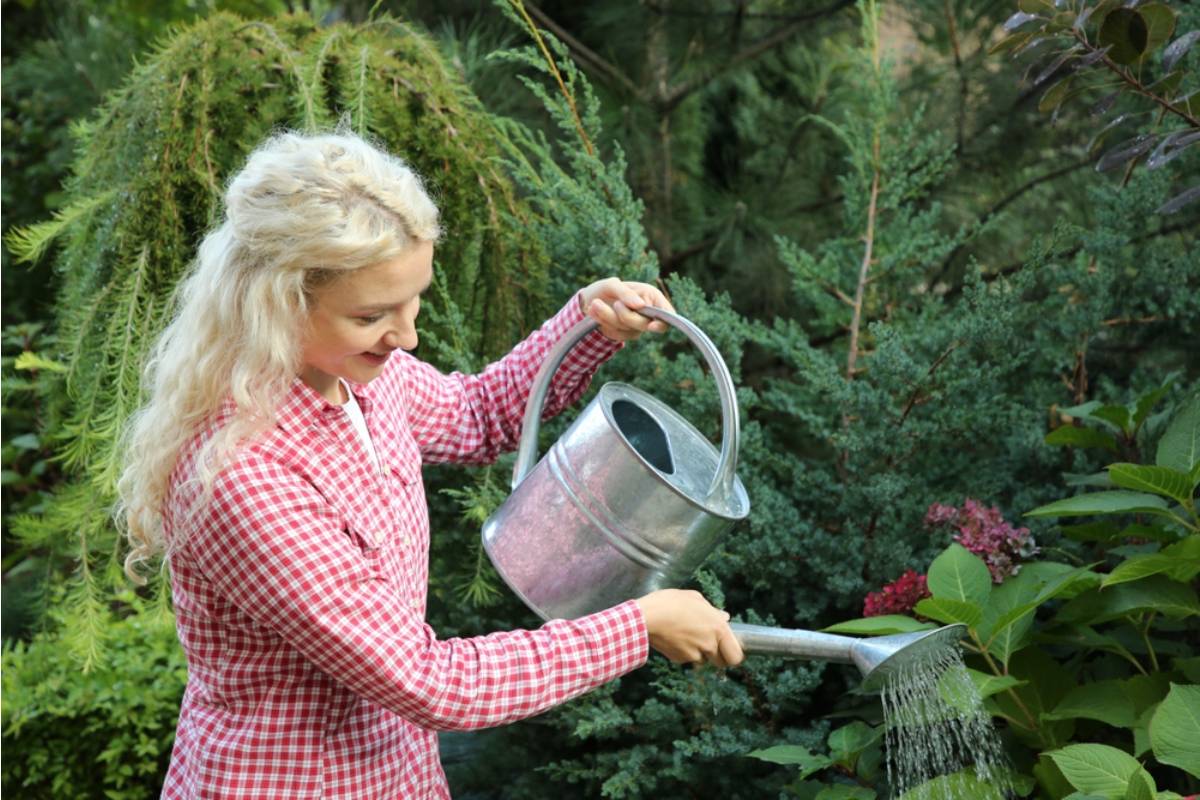
The plant-watering arrangement had happened enough times that it almost became an informal tradition. The neighbors would leave town, the homeowner would stop by, give the plants some water, collect the mail, and everything would be fine when they returned. Nobody seemed to question whether she would be available because the favor had worked smoothly in the past.
The homeowner also didn’t mind helping because the task seemed simple under normal circumstances. She wasn’t being forced into it, and she genuinely liked having a cooperative relationship with her neighbors. As long as she had enough notice, there was little reason for her to object.
Then Another Vacation Appeared
The problem began when the neighbors planned another week-long trip without giving her any advance warning. Instead of asking days or weeks ahead of time, they waited until the night before they were scheduled to leave. Then they approached the homeowner with the familiar request to water the plants and collect the mail.
This time, however, the timing couldn’t have been worse. She already had plans covering the entire week and had responsibilities she couldn’t simply abandon at a moment’s notice. The favor itself wasn’t the problem, but the assumption that she could suddenly reorganize her life around it was.
She Gave Them a Clear Answer
The homeowner politely explained that she couldn’t take care of the plants this time. She also explained that the short notice made it impossible for her to rearrange everything she already had planned. Her response wasn’t angry or hostile, and she apparently expected the neighbors to understand and make another arrangement.
The neighbors seemed disappointed, but the homeowner believed the conversation had ended there. After all, she had answered the question directly and given them enough information to understand that she wasn’t available. From her perspective, the responsibility had now shifted back to the people who were leaving town.
But They Left Anyway
Instead of finding someone else, the neighbors apparently went ahead with their vacation. The homeowner later believed they may have expected her to change her mind after they left. That assumption became important because she had never actually agreed to take care of anything.
The homeowner even thought about helping despite her earlier refusal. Unfortunately, the week became so busy that she couldn’t realistically squeeze the task into her schedule. She had already refused precisely because she knew she wouldn’t be able to make the commitment, and the events of the week seemed to prove that judgment correct.
The Plants Were Left Behind
While the neighbors were enjoying their trip, the homeowner continued dealing with her own busy schedule. She didn’t secretly agree to the job, nor did she make a promise and then deliberately ignore it. She simply followed through on the answer she had already given before they left.
That distinction mattered because one of the plants eventually suffered. By the time the neighbors returned home, one plant had become noticeably wilted. What might have been a disappointing vacation mishap quickly turned into a disagreement between the neighbors.
The Welcome Home Wasn’t Friendly
The neighbors noticed the wilted plant and were extremely upset. Instead of treating the situation as a problem they needed to solve themselves, they blamed the homeowner for failing to water it. They were particularly disappointed because she had helped them with their plants during previous trips.
The homeowner felt bad that the plant had suffered, but she also couldn’t understand why the blame had landed on her. She had never accepted the responsibility for this particular vacation. In her mind, being willing to help in the past didn’t create a permanent obligation to say yes every time.
A Familiar Favor Had Become an Expectation
That was where the situation took an unexpected turn. What had once been a voluntary favor appeared to have become something the neighbors expected automatically. Because the homeowner had repeatedly helped them before, they seemed to believe that another vacation should receive the same treatment regardless of her circumstances.
The homeowner began wondering whether her previous generosity had accidentally created the wrong expectation. Helping people can feel harmless when everything goes smoothly, but repeated favors can sometimes become routine in another person’s mind. Suddenly, saying no can be interpreted not as a normal boundary but as a betrayal of an unwritten agreement that never actually existed.
A Response From a Person Challenged Her Explanation
A response from a person pointed out that the homeowner may have explained herself too much. In that person’s view, she had already provided all the necessary information simply by saying she wasn’t available. The more someone explains a refusal, the more room another person may find to argue against each individual reason.
Another response from a person made a similar point while offering a practical plant-watering solution. The person explained that watering a garden could take significant time, but devices such as terracotta watering spikes could keep plants supplied with water for several days. The suggestion highlighted something important because the neighbors had other options besides relying on one particular person.
Not Everyone Thought the Favor Was Huge
Not every response completely agreed with the homeowner’s perspective. Several people pointed out that watering a few plants might take only ten or fifteen minutes, depending on how many plants the neighbors owned. From that angle, refusing the favor could seem unnecessarily rigid, especially between neighbors who had previously maintained a friendly relationship.
One response from a person even wondered whether the homeowner could have watered the plants occasionally instead of doing it every day. That perspective raised a fair question about how much effort the favor actually required. If the plants were only a handful of outdoor pots, the physical task might have been relatively minor even though the timing was inconvenient.
But Time Was Still Her Decision
Other responses pushed back against that argument. They pointed out that the amount of time required wasn’t really the central issue because the homeowner had already said she wasn’t available. Ten minutes can still be ten minutes that someone doesn’t have, especially during a week already filled with commitments.
The stronger point was that nobody else gets to decide how another person’s schedule should be rearranged. A small favor is still a favor when it is requested rather than owed. The homeowner wasn’t obligated to prove that her plans were important enough to justify saying no.
The Missing Step Was an Alternative Plan
The neighbors had known they were leaving for an entire week. Once the homeowner declined, they had several possible ways to handle the plants, including asking another neighbor, contacting a friend or family member, or arranging some form of automatic watering. They apparently chose to leave without confirming that someone else would take over.
That decision created the exact problem they later blamed on someone else. Their plant did not become wilted because the homeowner secretly promised to care for it and failed. It happened after they were explicitly told that she wouldn’t be responsible for it.
The Homeowner Started Seeing the Pattern
The incident also made the homeowner reconsider how she handled favors in general. She realized that she had spent a lot of time trying to be accommodating because she valued having good relationships with her neighbors. Unfortunately, being consistently helpful may have made it harder for those neighbors to recognize that her availability could change.
A response from a person suggested keeping future explanations short and maintaining the relationship without surrendering the boundary. The homeowner didn’t need to turn the disagreement into a neighborhood feud or stop speaking to the couple altogether. She could still smile, say hello, and remain friendly while making it clear that favors depended on her availability.
The Real Problem Wasn’t the Wilted Plant
At first glance, the entire dispute appeared to be about a dying plant. But underneath the wilted leaves was a much bigger disagreement about expectations, boundaries, and whether past favors create future obligations. The plant simply became the visible evidence of a misunderstanding that had been developing quietly.
The neighbors saw someone who had helped them many times and apparently expected that pattern to continue. The homeowner saw herself as someone who had always volunteered when she could, but who had now clearly said no. Neither interpretation changed the fact that the request had been declined before the vacation began.
Saying No Didn’t Erase Her Good Neighbor Reputation
The homeowner had not suddenly become selfish or hostile. She had helped the neighbors repeatedly, and she even said she would have gladly done it again if she had received reasonable notice. Her refusal was tied to one particular week rather than a permanent decision to stop helping.
That detail made the situation more complicated than a simple argument about kindness. A person can be generous while still having limits, and a good neighbor can occasionally be unavailable. The homeowner’s previous willingness to help did not mean she had signed up to become the neighborhood’s permanent emergency plant caretaker.
The Twist Was That She Almost Helped Anyway
The most revealing part of the story was that the homeowner had actually considered ignoring her own refusal and helping anyway. She felt guilty enough about the situation that she briefly wondered whether she should somehow find the time. In the end, her schedule made that impossible, which meant her original decision had been more realistic than her guilt suggested.
That realization may have been the biggest lesson of the entire dispute. Sometimes people say yes because they are afraid that saying no will disappoint someone, only to discover later that the commitment was impossible. By refusing this time, the homeowner had avoided making a promise she couldn’t keep.
A Wilted Plant Became a Boundary Lesson
The plant eventually became more than an unfortunate vacation casualty. It became a reminder that favors only work when both sides understand that they are voluntary. Once a favor turns into an expectation, even something as ordinary as watering a few plants can become a source of resentment.
The homeowner could feel sorry for the wilted plant without accepting blame for it. Her neighbors could be disappointed without having the right to decide that her refusal was invalid. In the end, the situation showed that maintaining a friendly neighborhood doesn’t require being available every time someone knocks on the door.
The Next Request Would Be Different
After the confrontation, the homeowner had a reason to approach future requests more carefully. If the neighbors asked for help again, she could decide based on her actual schedule rather than worrying about whether they would be disappointed. A simple statement that she wasn’t available would be enough.
The most important change was that the old assumption had finally been exposed. The neighbors now knew that previous favors weren’t a lifetime guarantee, and the homeowner knew that she didn’t need to defend every boundary with a detailed explanation. One wilted plant had managed to reveal a much bigger problem, and the homeowner’s next favor would probably come with a very different set of expectations.
In the End, the Plant Wasn’t Really the Issue
A response from a person summed up the central idea by arguing that the neighbors had asked, the homeowner had answered, and they should have found someone else. Other responses disagreed about whether watering the plants would have been an easy favor, but even those disagreements couldn’t change the fact that no agreement had been made. The homeowner had been asked for help and had clearly declined.
The story ultimately ended with an awkward but useful lesson about neighborhood friendships. Being generous can strengthen relationships, but generosity stops being generous when someone else decides it is mandatory. The wilted plant may have been the thing everyone noticed, but the real turning point was the moment a longtime favor became an expectation, and one homeowner finally said no.