Some Home Gardeners Are Turning Their Front Yards Into Full Produce Gardens, And Passersby Keep Helping Themselves Without Asking
Emma and Lucas, who were struggling with growing grocery costs and wanted more control over their diet, made the decision to replace their traditional grass lawn with a full produce garden in a peaceful suburban Colorado neighborhood. The front yard’s raised beds of peppers, cucumbers, lettuce, and strawberries swiftly grew from a few tomato plants.
At first, neighbors reacted with curiosity and occasional compliments about the “farm style” look. But over time, something unexpected began happening that turned their gardening experiment into a community conflict. People passing by started picking vegetables without asking.
The lawn that disappeared overnight
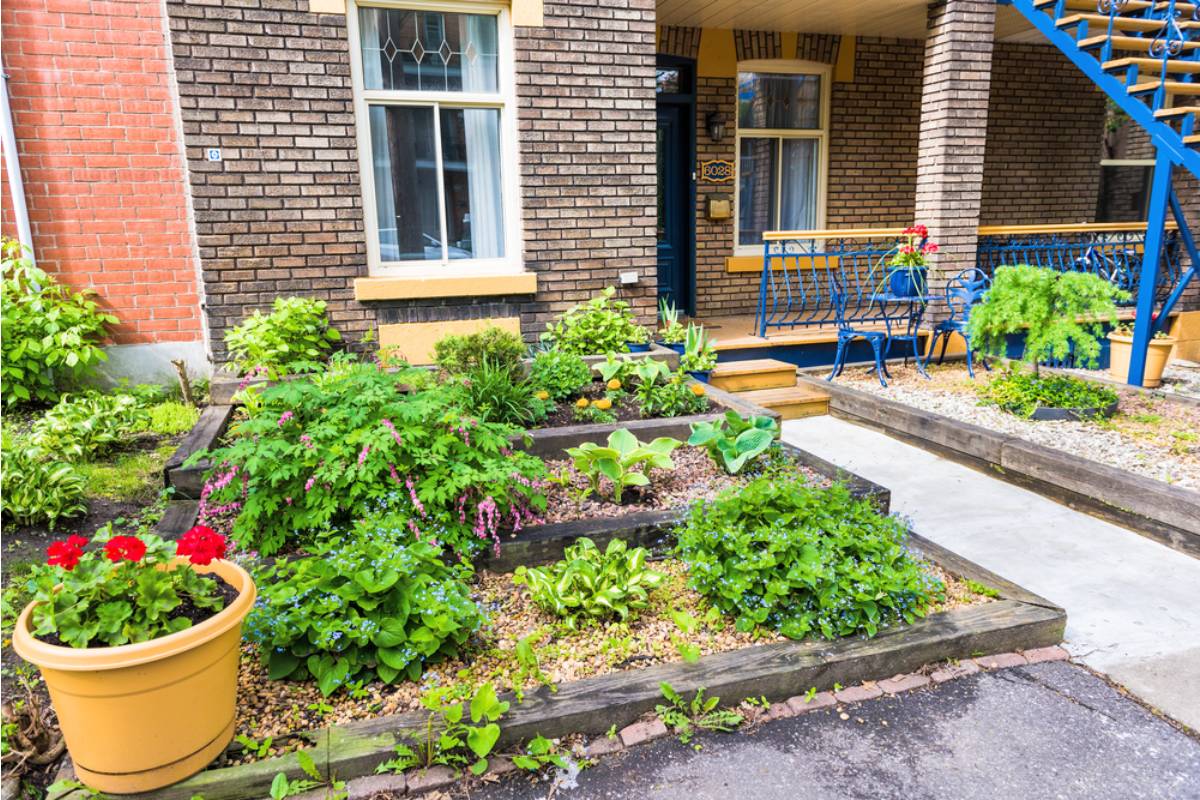
Emma and Lucas spent several weekends tearing out grass and installing raised wooden beds across their front yard. They added compost, irrigation lines, and simple walking paths between rows of crops. The transformation was sudden enough that neighbors slowed down while driving past, trying to understand what had replaced the usual green lawn. Some thought it looked creative, while others called it unusual for a suburban street. Emma saw it as a practical move toward sustainability and independence.
The first missing tomatoes
A few weeks after the plants started producing, Emma noticed several ripe tomatoes missing from one of the front beds. At first she assumed animals or birds had gotten to them. But the stems had been cleanly picked, and there were footprints in the soil near the walkway. Lucas joked that maybe someone was just curious, but Emma did not find it funny. They decided to start harvesting earlier to avoid losing more produce.
A neighbor admits to “trying a sample”
While watering the garden one afternoon, Lucas was approached by an older neighbor named Denise. She casually mentioned that she had taken a cucumber because it was hanging over the edge of the bed. She said it looked like it was “meant to be shared since it was in the front yard.” Lucas explained that everything was intentionally grown for their household use. Denise seemed surprised and said she thought it was more like a community garden.
Word spreads faster than expected
Within days, Emma noticed more produce disappearing, especially strawberries and cherry tomatoes. She began watching from the window and saw passersby pause at the fence line before reaching in. Some looked around before picking, while others acted casually as if it was normal. The garden was becoming a stop for people walking their dogs or heading to nearby houses. Emma and Lucas realized the misunderstanding was growing quickly.
The small sign that changed nothing
Lucas placed a handwritten sign near the entrance of the yard that said please do not pick produce without permission. For a day or two, it seemed to help. Then the picking resumed, with some people glancing at the sign and still taking vegetables anyway. One man even said aloud that he thought it was “just a friendly reminder, not a rule.” Emma started feeling frustrated that politeness was being mistaken for permission.
A direct confrontation at the fence line
One afternoon, Emma stepped outside when she saw a woman filling a small bag with lettuce leaves. Emma asked if she lived nearby, and the woman said she thought the garden was open to the public. Emma explained that it was private property and not a shared space. The woman apologized but also said it was hard to tell because it was in the front yard. The interaction left Emma shaken more than angry.
The garden becomes a local talking point
By the following week, neighbors were openly discussing the “front yard farm.” Some praised it as generous and community minded, while others agreed it needed clearer boundaries. Lucas overheard a conversation at the mailbox where someone suggested the garden looked like a free produce stand. The misunderstanding was no longer isolated incidents but part of neighborhood chatter. Emma felt like their personal project had become public property in people’s minds.
A stronger sign appears
Lucas replaced the small note with a larger printed sign stating private garden please do not enter or pick produce. He added a small fence section near the walkway to make the boundary clearer. For the first time, the garden looked less like an open space and more like restricted property. Some neighbors responded positively, saying it finally made sense. Others felt it was unnecessarily strict for something so visible.
A surprising apology from a regular passerby
A man who often walked his dog past the house stopped one day and apologized for picking herbs earlier in the season. He explained that he genuinely thought the garden was designed for community use. Emma accepted the apology but explained how much effort went into maintaining the plants. The man said he had not realized how quickly the assumption had spread. It was one of the first moments Emma felt understood.
The break in trust
Despite the signs, a few incidents still occurred where produce went missing. One morning, Emma found several cucumbers cut in a way that suggested deliberate harvesting rather than casual picking. That detail changed how she viewed the situation entirely. It was no longer confusion but repeated disregard for boundaries. Lucas suggested adding a low decorative fence around the entire front garden.
Installing a boundary that changes the look
They installed a simple wooden fence that framed the garden without hiding it completely. The structure made it clear that the space was not open access. Some neighbors commented that it made the yard look more formal but understood the reason. After the fence went up, incidents of picking decreased significantly. Emma felt relief but also sadness that it had come to this.
A final unexpected interaction
One evening, a child from the neighborhood approached the fence with his mother and asked if they could buy tomatoes. Emma explained again that it was not a public stand but offered them a small basket as a gift. The mother thanked her and said she had assumed it was community friendly from the way it looked. Emma realized the garden had communicated openness far more strongly than she intended. That misunderstanding had shaped everything that followed.
The garden settles into a new reality
Over time, the front yard garden continued to grow and produce well behind its new boundary. Neighbors still admired it, but the earlier confusion had faded into quiet understanding. Emma and Lucas adjusted their expectations about how public spaces are perceived, even when they are private. The experience changed how they designed their yard going forward. What started as a personal food project ended up teaching them how easily intention can be misread in plain sight.