Canna Rhizomes Lifted After a Killing Frost Keep All Winter at 40 to 50 Degrees in Barely Moist Peat or Vermiculite, the Old Farmer’s Almanac Says
Canna lilies are tender plants, and the thick rhizomes under a big clump are what gardeners in colder climates carry over to next summer. The Old Farmer’s Almanac gives a short recipe for that: dry the lifted roots for a day or two, pack them in barely moist peat moss or vermiculite, and keep them at 40 to 50 degrees F through winter.
Several extension services and garden publications describe nearly the same routine, with small differences in timing and temperature. Here is how the pieces fit together.
Waiting for the Frost to Blacken the Leaves
Cannas are not dug on a calendar date. Gardening Know How says to wait for the first killing frost to blacken the foliage, then cut the thick stalks back to 3 to 4 inches above the ground. The Old Farmer’s Almanac, in an Oct. 14 article by Robin Sweetser, says tender bulbs are dug after the foliage begins to die back, usually after the first frost, and within a few days if frost has killed the foliage.
The University of Wisconsin-Madison’s Division of Extension adds a limit: let frost kill the tops, but avoid a hard freeze, which will turn the stem to mush. Hicks Nurseries puts the usual lifting window for cannas after a hard frost, typically early to mid-November.
Digging a Dense Canna Clump
Because cannas produce dense roots, Gardening Know How advises digging wide around the clump with a sturdy fork and gently levering the whole rhizome mass out of the ground. It suggests keeping a light layer of dry soil on the rhizomes.
The University of Minnesota Extension, in its guidance on tubers and rhizomes, warns against cutting or skinning the fleshy tissue while loosening the soil. It also suggests writing the variety name on several roots of a large clump, since one piece may break off in storage.
Drying and Packing the Rhizomes
Sweetser’s advice is to dry the roots just 1 to 2 days to get most of the soil off. Gardening Know How agrees on a couple of days in a protected, frost-free shed or garage. Wisconsin Extension also calls for a day or two of drying before storage.
For the packing material, the Almanac names barely moist vermiculite, peat moss or cedar chips. Gardening Know How suggests snug packing in cardboard boxes lined with damp peat moss, shredded paper or vermiculite. Hicks Nurseries describes only slightly moist peat as “barely damp.” Wisconsin Extension says to layer the roots in peat moss or other packing material in paper bags or cardboard boxes.
The Almanac says cannas do not like to dry out completely, but they will rot if kept too wet.
The Right Winter Temperature
The Almanac gives 40 to 50 degrees F. Wisconsin Extension says 45 to 50 degrees, and Gardening Know How says about 45 to 55 degrees. The University of Minnesota Extension gives an average of about 40 degrees in cool, dry conditions.
Homes & Gardens, which describes cannas as tender and able to tolerate temperatures down to about 40 degrees, suggests a dry, frost-free spot such as a garage, shed or unheated greenhouse, in trays of slightly moist compost or vermiculite.
Checking Stored Rhizomes and Leaving Some in the Ground
Winter storage is not a set-and-forget job. Wisconsin Extension says to check periodically that the roots are not drying out and to raise the moisture level if needed. The University of Minnesota advises removing damaged or rotting parts, cutting back to clean, white tissue. Dividing waits until spring, when Wisconsin Extension says each division should have at least 3 eyes.
Gardeners in mild areas have another option. Homes & Gardens says cannas can stay in the ground under a thick mulch where winters are mild and the soil drains well, and the Almanac rates cannas for Zone 7. A Penn State Extension Master Gardener, Susan Marquesen, wrote on Oct. 12 that a canna bed in a protected, south-facing spot in her Allegheny County garden has overwintered outdoors for more than 15 years, while cannas elsewhere in her garden do not survive.
For other fall storage jobs, the site’s guide to pumpkin, squash and potato storage temperatures covers the harvest side of the cool-storage routine.
This article was produced with AI assistance and edited for accuracy against the sources linked above.
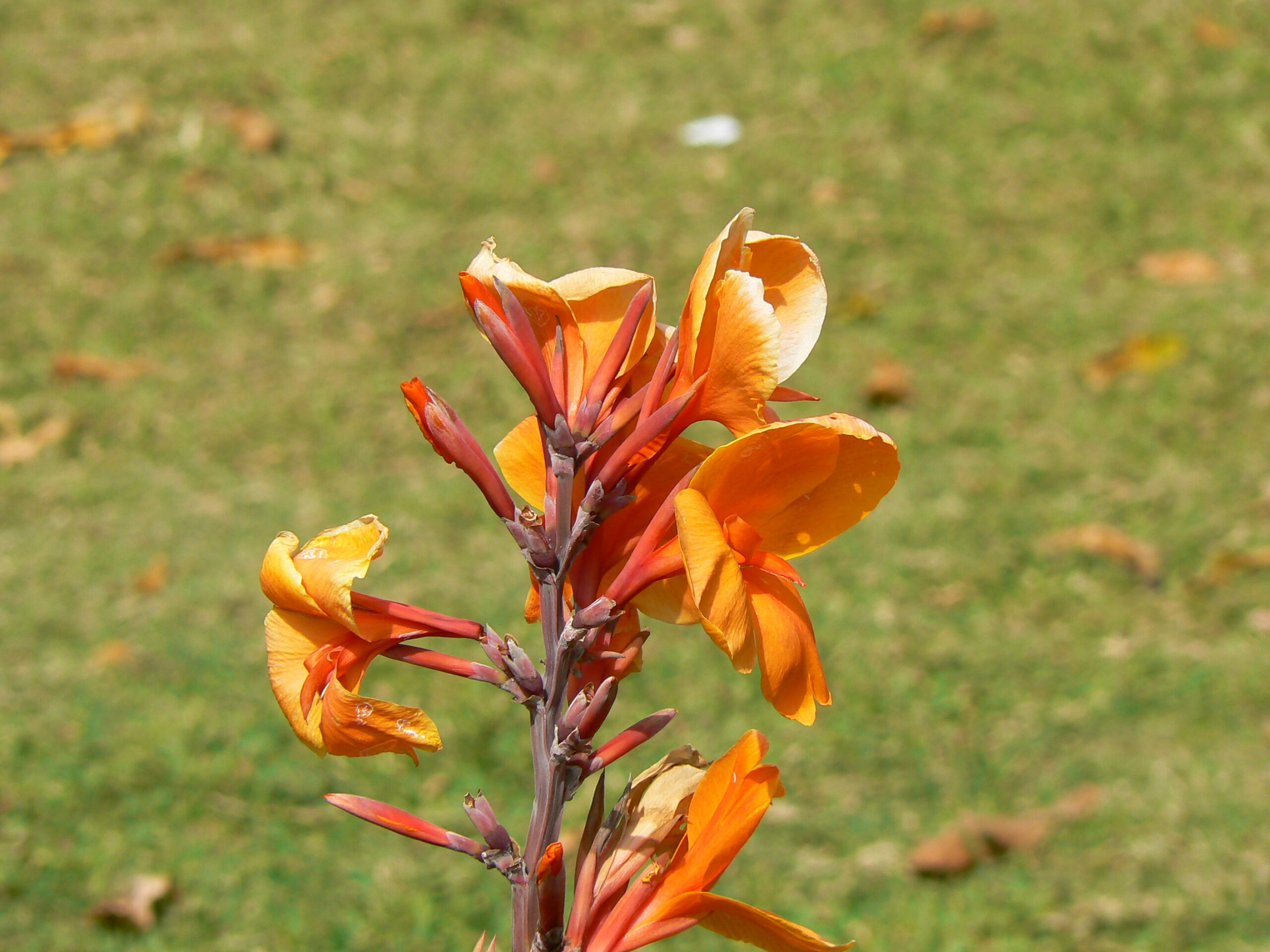
Image: Dinesh Valke from Thane, India, CC BY-SA 2.0, via Wikimedia Commons