Iowa State’s Aaron Steil Says a Cold Frame Sash Should Be Raised at 85 Degrees and Closed Before Sunset, Letting Fall Crops Keep Going Into November
A cold frame can cook plants on a sunny November afternoon as easily as it can save them on a frosty night. Aaron Steil of Iowa State University Extension says the sash should be raised once the air inside reaches 85 degrees Fahrenheit and closed before sunset to hold the heat, a routine that lets fall crops keep going into November in most seasons.
Steil’s advice comes from Iowa State’s guide to cold frames, last reviewed in October 2025, which covers how to build one, where to put it and how to run it through fall.
How a Cold Frame Is Built
The guide describes a raised, bottomless box with a clear cover. The frame is usually wood, though cinderblocks, bricks, poured concrete, plastic lumber or straw bales also work, and wood treated with creosote should be avoided. Painting untreated wood, with white latex a common choice, reduces decay and reflects light.
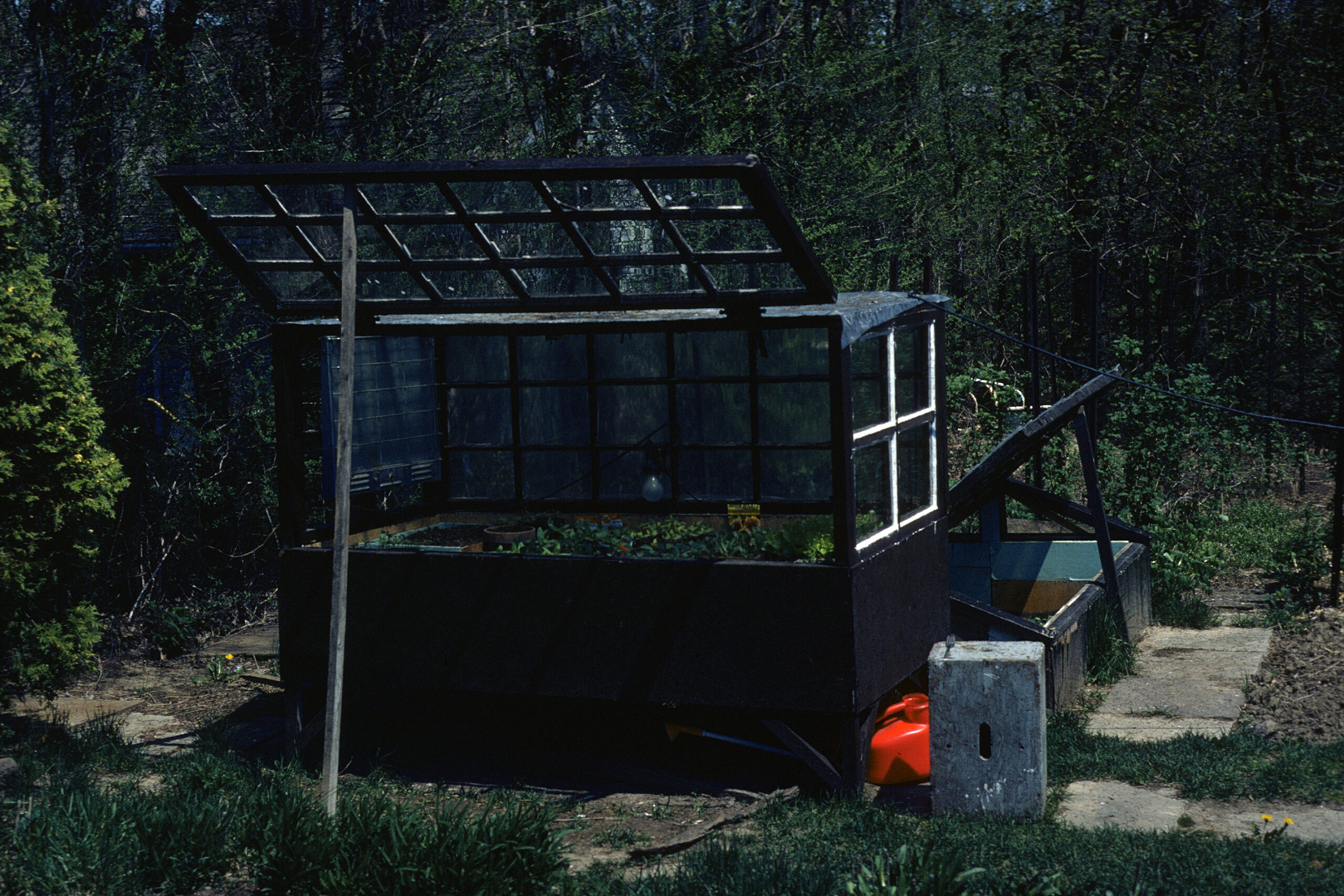
Covers can be an old glass storm window, window sash or shower door, or clear plastic, rigid plastic sheets or fiberglass panels. The cover should be hinged so it opens easily. Depth should stay at 3 feet or less so the back is within reach without stepping inside, and the frame is sloped, about 12 inches high in front and 18 inches in back, to admit more sunlight.
Pins or eye hooks let a seasonal frame come apart for storage.
Where to Set It
Steil says to use well-drained soil that does not flood and to face the frame south for the most sun. The north end goes against a house, garage or fence to reduce heat loss, and a nearby water source is convenient.
HGTV describes the same structure in plain terms. In its guide to protecting plants from frost, by Gloria Ballard and last updated in March 2026, a cold frame is an on-the-ground mini-greenhouse, listed alongside row covers, hoop houses and cloches.
Opening and Closing Through the Day
The daily routine is the part Steil stresses. The sash goes up when the inside air reaches 85 degrees, and the cover comes down before sunset to retain heat. A board or dowel can prop the cover open, and automatic gas- or wax-filled openers can do it without a gardener on hand.
Straw bales or soil mounds around the frame moderate temperature swings. The guide says to check the frame frequently, even on cloudy days, because temperatures can rise quickly. A thermometer helps.
HGTV’s frost guide gives the same warning from the other direction: a closed cold frame on a sunny day can overheat and burn plants. Iowa State’s separate guide to protecting plants from frost and freeze says cold frames and hoop tunnels should be opened or removed during the day and closed before temperatures drop below freezing.
What Keeps Growing Into November
For fall, the cold frame guide says cool-season crops are started in late August or early September, and the frame is closed overnight as frost approaches. Harvest can continue into November in most seasons. In spring, the same frame lets lettuce, spinach and radishes start 2 to 4 weeks earlier than the normal early April planting in Iowa. It can also be used to harden off tomatoes, peppers, marigolds and petunias before they go out in mid-May.
Crop choice matters because the frame only buys a few degrees. Steil’s page on cold and freeze damage to garden plants says hardy cool-season vegetables such as spinach, beets, kale, carrots, cabbage and Brussels sprouts take little damage down to about 26 to 28 degrees. Tender cool-season crops such as radish, lettuce, chard and onion show minor damage at 32 degrees and usually recover in 7 to 14 days.
A related post on how most fall vegetables survive about 28 degrees covers HGTV’s version of the same threshold.
Knowing When the First Freeze Is Due
Timing a closed frame depends on knowing when freezes arrive. Iowa State’s frost dates page gives the likelihood of a 32-degree freeze on or before a given fall date, with a separate table for each Iowa county. The page notes that frost, when dew freezes, is different from a freeze, when air temperatures drop below freezing, and that a freeze generally does more damage.
Its data covers 1950 through 2021 and comes from the Midwestern Regional Climate Center. Gardeners outside Iowa would need their own state’s dates, since the county tables apply only there.
The cold frame guide itself is written for Iowa conditions, so the planting dates are keyed to that climate. The venting rule is not: a frame that reaches 85 degrees needs its sash raised wherever it sits.
This article was produced with AI assistance and edited for accuracy against the sources linked above.
Image: WayneRay – CC BY-SA 4.0/Wikimedia Commons