Boston and Kimberly Queen Ferns Get Cut to About 3 Inches Before Moving Into a Garage Above 40 Degrees, Clemson’s Ginger Elizabeth Long Says
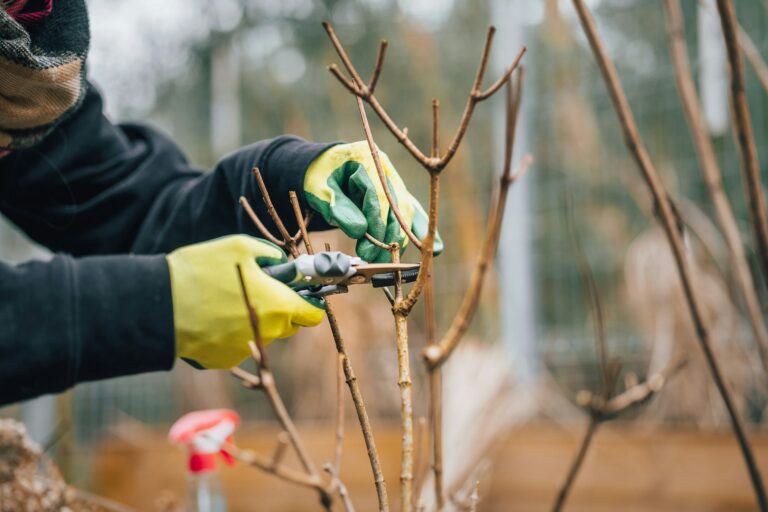
Porch ferns that spent the summer in hanging baskets and pots are running out of mild nights. Clemson Extension’s Ginger Elizabeth Long says Boston and Kimberly Queen ferns get cut back to about 3 inches before they move into a garage, basement, greenhouse or shed that stays above 40 degrees Fahrenheit.
The timing matters as much as the haircut. Long writes in Clemson’s guide to porch ferns, published May 11, 2026, that the plants should come in before nighttime lows fall below 50 degrees.
The Three Steps Before a Fern Goes Into Storage
For ferns that will spend winter in an unheated but frost-free space, Long lays out a short sequence. Water the plant well a few days before the move, then let it drain.
Next, shake off loose fronds before carrying the fern inside. Hanging baskets collect debris all season, and the same guide suggests shaking them to clear dead leaflets. Finally, Boston and Kimberly Queen fronds are cut to about 3 inches. After that, the soil gets checked regularly and watered only when it dries out.
The guide treats the storage space as the key limit. A garage, basement, greenhouse or shed works as long as it holds above 40 degrees.
Which Ferns Fit That Advice
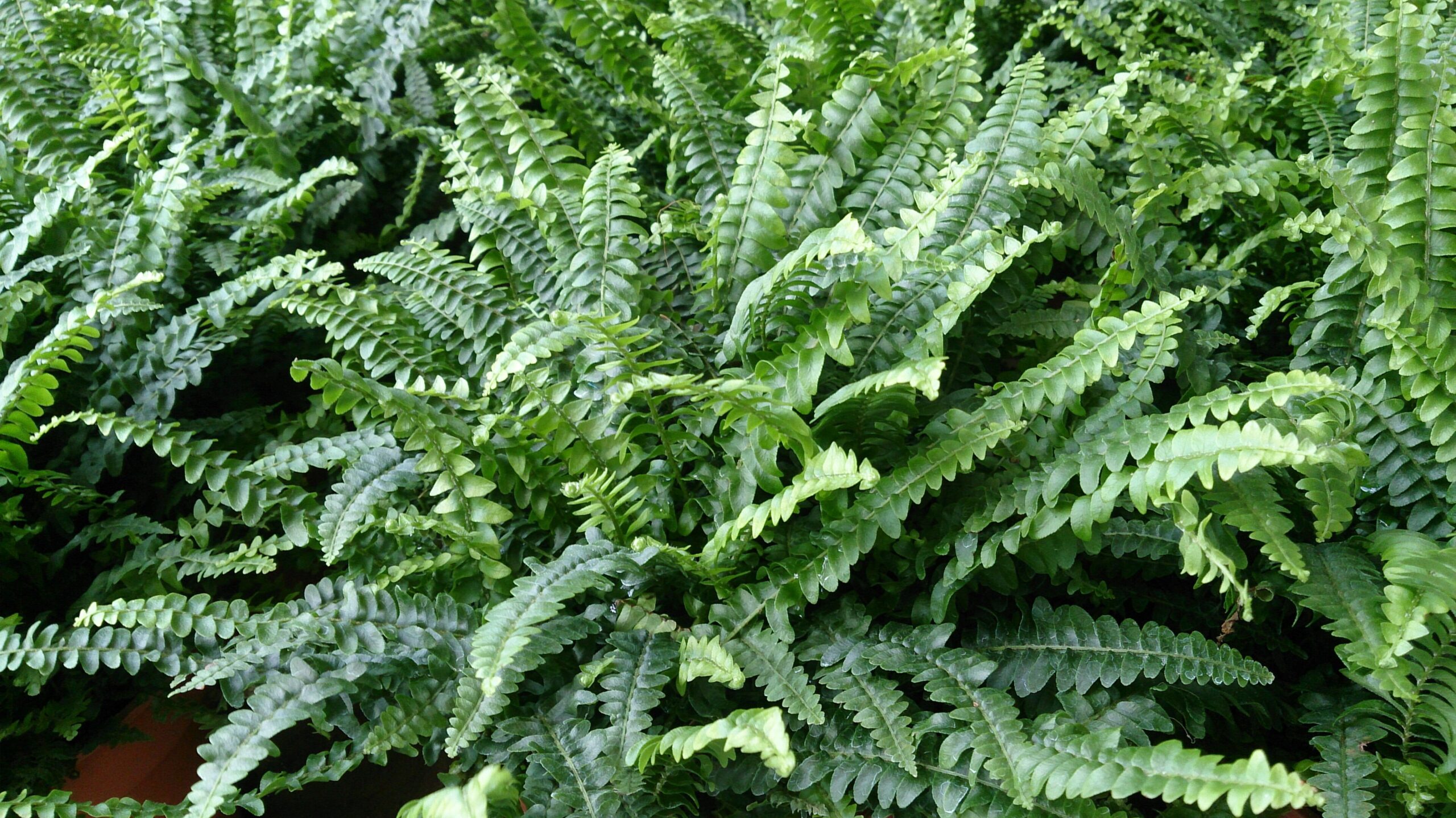
Long’s guide covers several plants sold as porch ferns, and not all of them are true ferns. The Boston fern (Nephrolepis exaltata) is the familiar hanging-basket fern, with fronds that reach about 4 feet and hardiness listed for zones 9 through 11. Kimberly Queen (Nephrolepis cordifolia) grows upright in containers to about 3 feet tall and 2 to 3 feet wide, and it handles several hours of morning sun better than the others.
The Macho fern (Nephrolepis biserrata) is the biggest of the group, reaching about 3 feet tall and 5 feet wide, and it is rated for zones 10 and 11. Asparagus ferns, including ‘Sprengeri’ and the foxtail type ‘Myersii’, are related to asparagus rather than being true ferns, and they are rated for zones 9 through 11.
Those zone ratings put most of the country outside the range where these ferns live year-round. Kimberly Queen may return in zone 8 if it is planted in the ground and winters are mild, according to the guide. Where winters are colder, a potted fern has to come in.
Keeping a Fern Alive Indoors Instead
A garage is the fallback in Long’s guide. The first choice is to overwinter the fern as a houseplant if there is room, shaking off loose fronds before it comes through the door.
Indoors, a different set of rules applies. Clemson’s separate indoor ferns factsheet says most ferns prefer moderate, indirect light, with a north-facing window ideal and south- and west-facing windows best avoided. Most do best at 60 to 70 degrees during the day and about 10 degrees cooler at night. The factsheet advises against fertilizing ferns during winter.
Dry indoor air is the other problem. The factsheet says winter air is very dry indoors and ferns need extra attention, and it suggests double potting with moist sphagnum moss or misting lightly. It also warns against letting a fern dry out completely or letting water stand in the pot.
If a fern does dry out, the porch-fern guide offers a rescue: submerge the root ball in a bucket of water for about an hour. Yellowing fronds usually point the other way, toward too much water.
Checking for Pests Before the Move
Ferns that sat outdoors all summer can carry insects inside. Long lists scale, mealybugs and slugs as occasional problems, and the indoor ferns factsheet names scale insects and mites as the most common troubles. That factsheet says to remove them by hand or with a brisk water spray outside, and to test any pesticide on a few plants first because many ferns are injured by sprays.
Clemson’s guide to moving houseplants indoors and outdoors adds a routine for plants that sat on the ground. It says to remove pests from the plant and soil before bringing it in, and to slide the plant out of its pot to see whether anything crawled up through the drainage holes. Leaves and stems get a hosing, then a drying period, then an insecticidal soap spray on both leaf surfaces, the soil and the pot. The plant stays outdoors for several days, gets a second spray, and comes in two to three days later.
Soap does not suit every plant. The same guide says to check the label and to test a small area first, since symptoms can take seven to ten days to appear. Clemson’s factsheet on less toxic insecticides lists insecticidal soap as a control for mealybugs and scales and recommends commercial products, noting that homemade soap recipes are not recommended.
The same moving guide also gives a reason to hurry: temperatures of 50 degrees or lower can damage many tropical plants, which matches the 50-degree line in the fern guide.
Easing a Fern Through the Light Change
A fern that goes from bright porch light to a dim garage or room can drop fronds. The Old Farmer’s Almanac’s Robin Sweetser, in a guide to bringing outdoor plants indoors dated October 28, 2026, advises moving plants to a shadier outdoor spot for a few days first and expecting some leaf drop as they adjust. She says most recover. The Clemson houseplant guide describes a similar week-long step-down from sun to light shade to heavy shade to indoors.
Sweetser also recommends a pebble tray with moist gravel to raise humidity for plants that need it, and she suggests watering only when the top half inch of soil is dry. Her article does not mention ferns by name, so those tips are general rather than fern-specific. Clemson’s fern guidance already points the same way, calling for misting and regular soil checks.
Ferns are not the only container plants facing the same deadline. A related post on bringing tropicals, ferns and basil indoors covers Clemson’s Samantha Brown on checking leaf undersides before the move, and the guide to potted citrus coming inside covers a 45-degree cutoff for lemons.
Beyond winter, Long’s guide says Boston and Kimberly Queen ferns can be divided by splitting the root ball into two equal halves. It also recommends a well-drained, peat-based mix high in organic matter, a quarter or half turn each week for even light, and monthly liquid fertilizer at half the label rate, but only in late spring and summer during active growth, since too much can scorch the leaves.
For a fern sitting in a dark garage, then, the winter job is simple: keep it above 40 degrees, check the soil, and water only when it is dry. The guide’s fertilizing schedule starts again in late spring.
This article was produced with AI assistance and edited for accuracy against the sources linked above.
Image: Mokkie – CC BY-SA 3.0/Wikimedia Commons