Gladiolus Corms Need About Three Weeks of Curing Before Storage, While Cannas Keep Best Through Winter at 45 to 50 Degrees
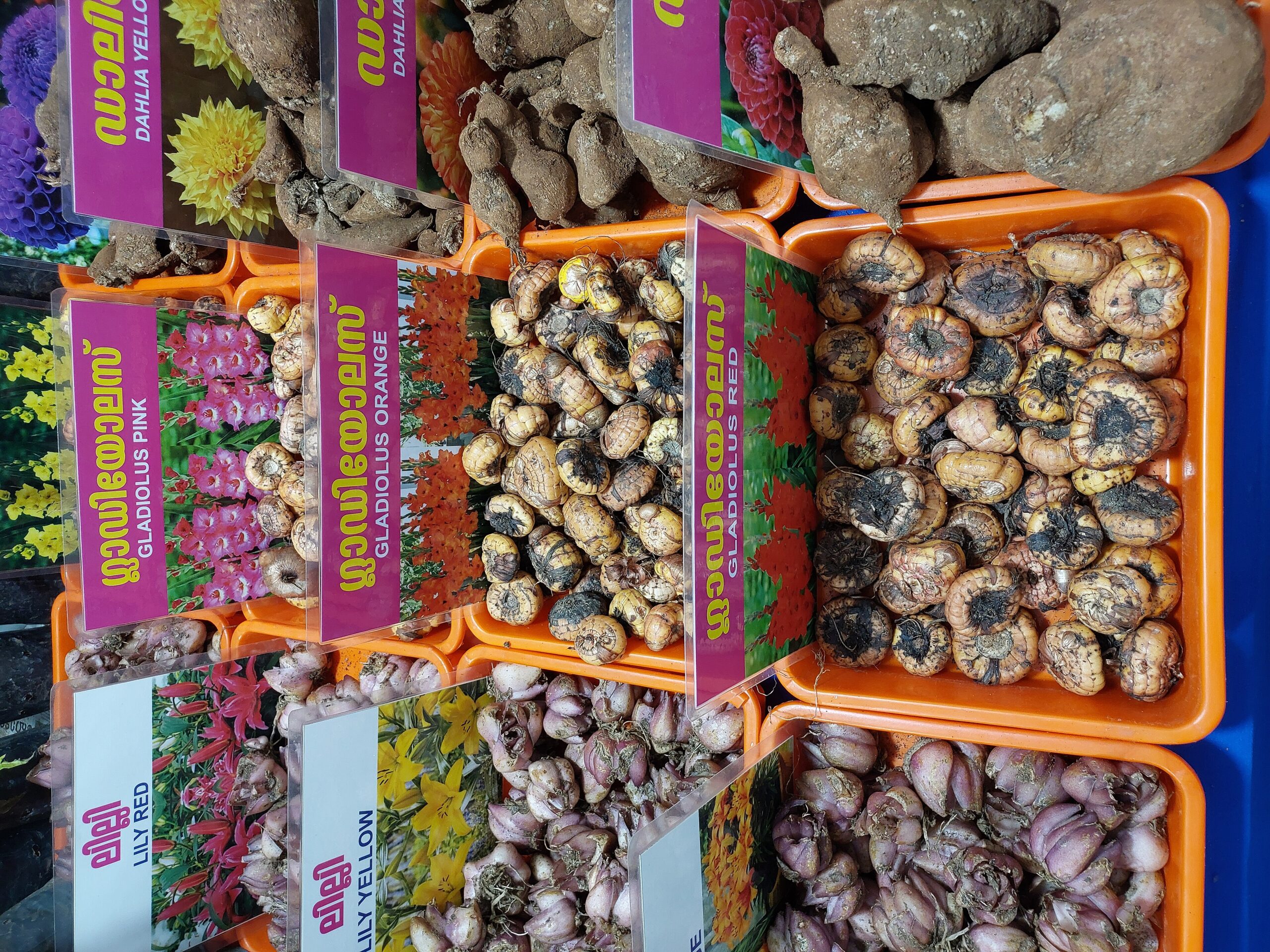
A gladiolus lifted in the fall comes up with two corms stacked at the base of the stalk: a plump new one on top and the shriveled remains of last spring’s corm underneath. Only the new one is worth keeping, and it needs about three weeks of curing before it goes into storage.
Cannas, lifted at the same time, go the other way. They need only a day or two of drying, then a winter spot at 45 to 50 degrees, according to University of Wisconsin-Madison Extension.
When to Lift Gladiolus and Cannas
Susan Mahr’s guide to storing tender bulbs for winter, revised by UW-Madison Extension on Sept. 28, says gladiolus corms can be lifted when the leaves yellow or after the first frost.
Cannas can wait a little longer. Mahr says to let frost kill the tops but not to let a hard freeze hit, because that turns the stems to mush. Iowa State University’s guide to overwintering tender perennials says to cut cannas back to 4 to 6 inches a few days after a hard, killing frost, then dig the clumps with a spade or fork and leave a little soil on the rhizomes.
Carrie Knutson, a horticulture agent with NDSU Extension in Grand Forks County, digs gladiolus after a light frost kills the foliage, loosening the soil with a trowel or fork and lifting the corms gently. Careful digging matters. A University of Minnesota Extension fact sheet on gladiolus diseases warns that Penicillium rot gets into corms through wounds.
Three Weeks of Curing for Gladiolus
Gladiolus corms should not be washed. Mahr says to shake off the soil and cut the stems back to 1 to 2 inches. Knutson lets the soil on the corms dry for a couple of days, then wipes it off.
Curing comes next. Mahr sets the corms in bright sun for a day or two, then moves them to a well-ventilated spot for about three weeks. Iowa State calls for 2 to 3 weeks in a warm, dry, well-ventilated place. Knutson cures them out of direct sunlight at room temperature for 2 to 3 weeks, noting that the exact time depends on conditions.
The Spokane County Master Gardeners, working with Washington State University Extension, spread corms in a single layer on cloth, cardboard or wire mesh at 60 to 70 degrees for 2 to 3 weeks. Their fact sheet explains how to tell when curing is done: a cork-like layer forms between the new daughter corm and the old mother corm. That is the point to remove the old corm.
The tiny cormels that form between the two can be saved. WSU’s fact sheet says to store them in mesh or paper sacks, plant them 1 to 2 inches deep in spring at about 20 per foot, and expect flowering size in two to three years. Iowa State says they can be saved for propagation or discarded.
Storing the Corms Cold and Dry
Once cured, gladiolus corms want cold. Iowa State recommends hanging them in mesh bags or old nylon stockings in a cool, dry, well-ventilated spot at 35 to 45 degrees. WSU calls 35 to 45 ideal, but says warmer storage is fine as long as the corms stay dry and get good air circulation.
University of New Hampshire Cooperative Extension specialist Margaret Hagen lists 40 to 45 degrees and about 80% humidity for gladiolus, and also suggests hanging them in mesh or pantyhose bags.
Knutson stores corms at around 40 degrees in a well-ventilated basket, mesh bag or nylon stocking. Some guides cure them warmer and longer. Purdue University’s yard and garden guidance calls for 2 to 4 weeks at about 75 to 80 degrees once the foliage begins to fade, then dry storage at 35 to 40. The Minnesota fact sheet cures corms in shallow trays at 85 to 90 degrees for 2 to 4 weeks, removing the dried parent corms and old roots along the way, and stores them at about 40 to 45 degrees and 75% humidity. It also advises checking several times over the winter and discarding any corm that shows storage rot.
Cannas at 45 to 50 Degrees
Cannas need far less curing. Mahr dries the roots for a day or two, and Iowa State also calls for one to two days.
For storage, Mahr wraps cleaned canna roots in newspaper, or layers them in peat moss or a similar material if the storage area is dry, and keeps them in paper bags or cardboard boxes at 45 to 50 degrees. Purdue gives the same 45 to 50 range after cutting the tops to 4 inches and drying for 1 to 2 weeks. Iowa State and UNH both list 40 to 50.
Mahr says to check periodically that canna roots are not drying out and to add moisture if they are. Division waits until spring, and each piece should have at least 3 eyes.
Mahr’s general rules apply to both plants. Airtight containers trap moisture and promote decay, so the bulbs should be packed so they do not touch. Any that rot should come out, shriveled ones can be lightly misted and repacked, and very moist ones can be air-dried for a few days before going back into dry material. She also suggests labeling each bag or tag with the cultivar name. Digging and storing these bulbs fits alongside the rest of the fall cleanup before the ground freezes.
Get stories like this by email. Sign up for The Parent Diaries Letter.
This article was produced with AI assistance and edited for accuracy against the sources linked above.
Image: Vis M – CC BY-SA 4.0/Wikimedia Commons