A Tennessee Property Owners Group Warned Neighbors It Could Auction Their Homes Over $655 in Unpaid Dues, but the Original Covenants Never Required Payment
The letter went out on Sept. 1, and it was short on comfort. It told members of the English Mountain Property Owners Association in Sevier County, Tennessee, who had fallen behind on assessments that the association would place a lien against their property if they did not pay the full past-due balance, Knoxville station WATE reported. For homeowner Martin Sims, the figure was $655, and he told the station he believes his home could be auctioned in 90 days if he does not pay. Several of his neighbors say the original covenants never required anyone to pay those dues at all.
A Mountain Community Built Around Its Roads
English Mountain sits in the foothills of the Great Smoky Mountains, near Sevierville. According to WATE, the development of single-family homes was established more than 50 years ago, and it has no pool, no clubhouse and no public grounds. The property owners association was set up to help maintain some of the roads that wind through it.
That modest purpose is part of why the letter landed so hard. Former board member Hugh Vaughn told WATE that the original covenants did not include mandatory dues, and that the fee back then was $25, for roads. He kept a copy of those original covenants, The Cool Down reported, and they contained no requirement to pay assessments.
Homeowner Fiona Vaughn put the dispute in simple terms. In her telling, paying was always a choice, and the question now is whether residents still have the choice the original rules described.
Why Martin Sims and Bill Johnson Stopped Paying
Sims has been clear about what he believes is at stake. He told WATE that the association says his household owes $655, and that if the bill goes unpaid, the association will put a lien on the property and auction it off in 90 days. He says the threat has no legal basis, because the community’s covenants describe payments as voluntary.
Bill Johnson has lived on English Mountain for about 25 years. Over that time, he said, he voluntarily paid nearly $2,000 toward road repairs. What changed his mind was Glasgow Street. Johnson told WATE that people on the board said they would never fix it, so he decided he would not pay the current dues.
Some homeowners who have stopped paying see the lien warning as a scare tactic meant to collect money, the station reported. WATE’s report did not include an on-the-record response from the association.
Covenants, Bylaws and Five Years of Conflicting Legal Opinions
At the center of the fight is a question that sounds technical but matters a great deal to anyone who owns a home in a planned community: which document is in charge. Covenants govern how property is used and take precedence over bylaws, The Cool Down noted.
The legal advice has gone back and forth. In 2021, an attorney for property owners concluded the association could not mandate dues, according to WATE. In 2022, an attorney for the association reached the opposite conclusion and said it could levy assessments.
In 2024, the board added mandatory assessments through the bylaws. An attempt to change the covenants to match failed. Lynne Nichols told WATE that the board could not make dues mandatory without that covenant change.
On Sept. 15, two weeks after the letter, an attorney representing a homeowner who has not paid any assessments sent the board a cease-and-desist letter. It asked the association to show proof that it has the right to place liens on homes or auction them.
What Tennessee Law Leaves to the Paperwork
Tennessee does not have a single law that governs every homeowners association. A 2015 study by the Tennessee Advisory Commission on Intergovernmental Relations found that the state “still does not have a planned community act.” The commission estimated that about 930,000 Tennesseans lived in communities governed by homeowners associations at the time, and that 3,447 of the 4,985 associations formed in the state since 1959 were still active.
The same report described how much depends on a community’s own declaration. Liens for unpaid fines or assessments attach automatically in condominiums covered by the state’s 2008 condominium law, it said, and in other associations the declaration may allow the same. The commission also wrote that “Tennessee HOAs can foreclose on a property for failure to pay even a small fine,” and it recommended notice before liens attach and a minimum amount or period of delinquency before foreclosure.
The legal guide Nolo makes a similar point for Tennessee homeowners: whether an association can foreclose, and how, is set by its governing documents. That is exactly the document the English Mountain neighbors say never made dues mandatory in the first place.
Fights over what an association can charge have flared elsewhere this year, from a developer-controlled HOA in North Carolina that floated dues of $7,500 a month to a Dallas couple whose monthly dues jumped from $240 to $1,316.20. The English Mountain dispute is smaller in dollars, but it turns on the same question of who gets to set the rules.
No Liens on Record, and a Question Still Open
For all the worry the September letter caused, the threat has not yet turned into paperwork. As of WATE’s report, no liens had been recorded on the titles of homeowners who withheld payment. In Sevier County, real estate documents are recorded by the Register of Deeds, which says it records the documents the law requires or allows to be recorded.
The September cease-and-desist letter goes to the core question: whether a group formed to help keep up mountain roads, under covenants that a former board member says never made payment mandatory, can turn a $655 balance into a lien or an auction.
For Sims, Johnson and the Vaughns, the fight is less about the size of the bill than about the rules they say came with their land. Johnson chipped in nearly $2,000 for the roads over the years without being made to, and Fiona Vaughn describes paying as something that was always up to each owner. Their case, as they have laid it out, rests on what those original covenants say.
This article was produced with AI assistance and edited for accuracy against the sources linked above.
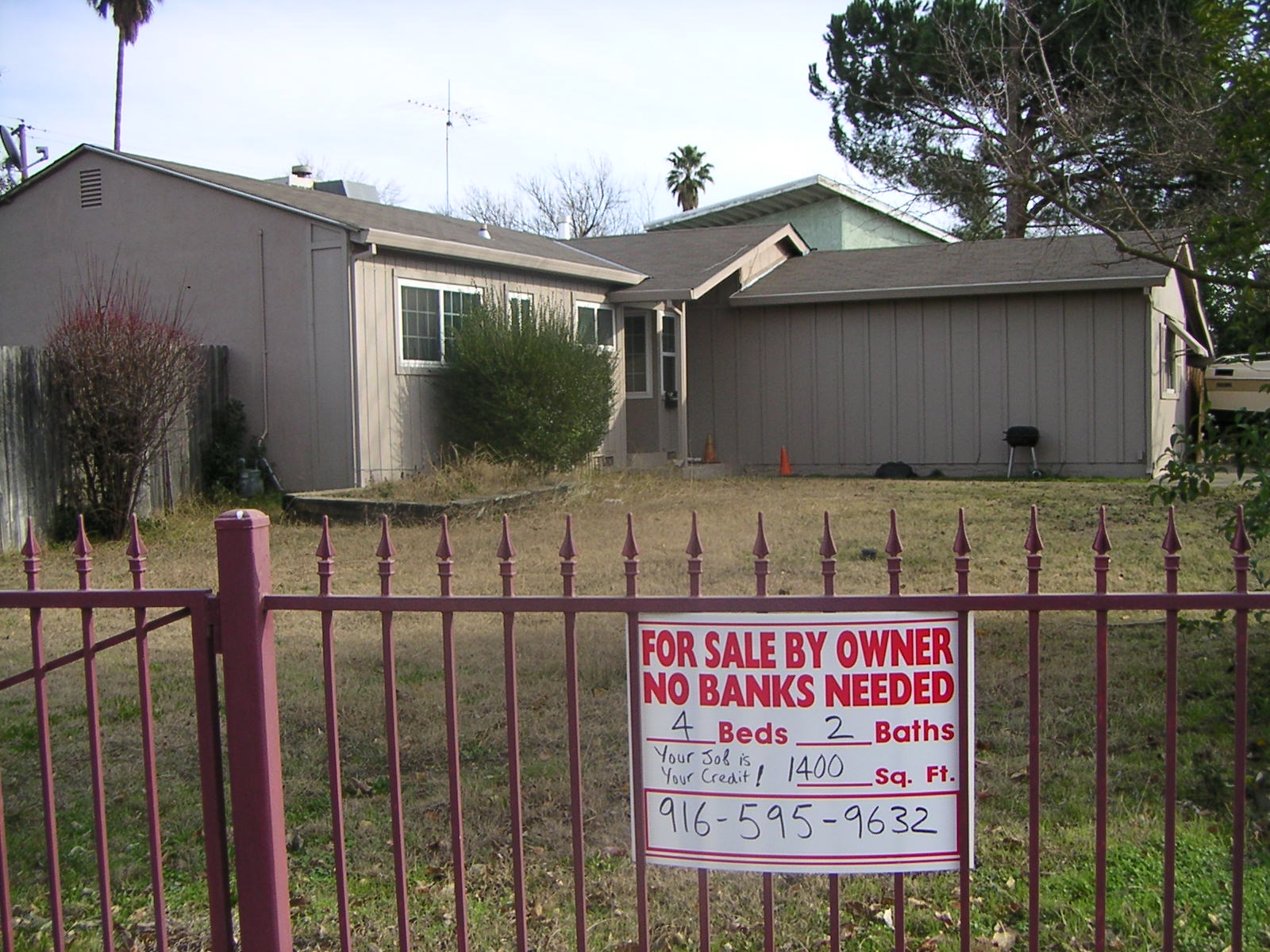
Image: Casey Serin – CC BY 2.0/Wikimedia Commons