‘It Scared Our Son’: A Rutland Couple’s Two-Year Property Line Feud Shows Why Massachusetts Still Has Official Fence Viewers Under a Rule Dating to 1647
For about two years, a Rutland, Massachusetts couple named Christine and Brian did not feel at ease in their own backyard. A property line disagreement with the neighbor next door, which began in 2020, turned unsettling, and at one point a fence on their property was destroyed. Christine told The Boston Globe, which reported the couple’s story on Nov. 11, that it “scared” their son.
Their feud ended only after a legal process and a new, permanent fence. It is exactly the kind of fight Massachusetts has been trying to settle with an unusual local office since colonial days: the fence viewer, a role that dates to 1647 and that every city and town in the state is still required to fill.
The Rutland Backyard That Finally Got Its Fence
The Globe did not publish the couple’s last name. According to the paper, the neighbor’s behavior made the family uneasy for roughly two years before the matter was resolved through the legal process. After that, the couple put up a permanent fence along the line.
Christine said the new fence finally made her feel better in her own backyard. The neighbors now respect the agreement, she told the paper, though their cats still wander into her unfenced vegetable garden.
Her advice to anyone planning a fence is to pay for a professional survey first. She told the Globe that people should be ready to spend “a couple thousand” dollars on one.
A Job Written Into State Law
The office comes from Chapter 49 of the Massachusetts General Laws, titled “Fences, Fence Viewers, Pounds and Field Drivers.” Section 1 says mayors and town select boards “shall annually appoint two or more fence viewers,” each serving a one-year term. The same chapter still covers pounds for stray livestock, and the Globe noted that a wandering cow had to be wrangled in Marshfield this month.
The fence viewer’s legal power over property lines is spelled out in Section 14. When the dividing line between two neighbors is disputed or unknown, the fence viewers may set a line where the fence should go, and they may hire a surveyor to help. That line serves as the division line for fence purposes until the true boundary is shown to be somewhere else.
The pay has not kept up with the centuries. Section 20 sets a fence viewer’s rate at five dollars a day, with a one-dollar minimum per case, paid by the neighbors in the dispute in shares the viewers set in writing. A neighbor who does not pay within 30 days can be sued for double the fee.
Lexington’s Volunteer and Amesbury’s Inspector
How the job works depends on the town. In Lexington, David Burns, a retired builder, has been appointed the volunteer fence viewer every year for six years. He told the Globe he listens to one side and then goes to talk with the other. If a dispute turns hostile, he passes it to the building commissioner.
In Amesbury, the role sits with Jim Wilson, the town’s Inspectional Services director. “The position oversees the review and approval of fence permits, including fence location, height, and materials,” Wilson told the paper. Mediation can sometimes lead to formal hearings, he said, but so far every case on his watch has been settled before it got that far.
Surveys, Lawyers and the $40,000 Warning
Shaine Bonin, a professional land surveyor quoted by the Globe, said boundaries are shaped by three things: what is physically on the ground, such as fences and stone walls; what the deeds record; and legal factors such as easements and adverse possession. “No two surveyors should really have a very differing opinion on the location of the boundary, but it does happen,” he said. When they disagree, attorneys and courts may end up deciding the line.
Fences put up without a survey, Bonin said, have only ever caused problems in his experience. A fight that turns into an adverse possession lawsuit “generally costs like $40,000 to litigate,” he said.
Adam Dash, a Somerville attorney who handles property disputes, said most neighbors are reasonable and can work things out, with a lawyer drafting the documents afterward. Surveyors can prepare easement plans that are then recorded at the registry of deeds.
Where a Fence Crosses Into Spite
Massachusetts law also draws a line on how a fence can be used. Under Section 21, a fence that “unnecessarily exceeds six feet in height” and is put up or kept maliciously to annoy the people next door is a private nuisance. A neighbor whose comfort or enjoyment of their property is harmed can sue for damages.
Local rules add their own limits. The Globe noted that Newton caps solid fences along a street at 4 feet. Michael Theriault, owner of Woburn-based Reliable the Fence People, told the paper that cedar, which lasts about 20 years, remains a classic choice in New England neighborhoods, and he advised homeowners to survey and check local ordinances before any posts go in.
Similar fights have played out far beyond Massachusetts. A decade-long fence-line feud ended when a survey showed both neighbors were wrong, and a St. Charles County property-line dispute over a fence post led to a criminal charge.
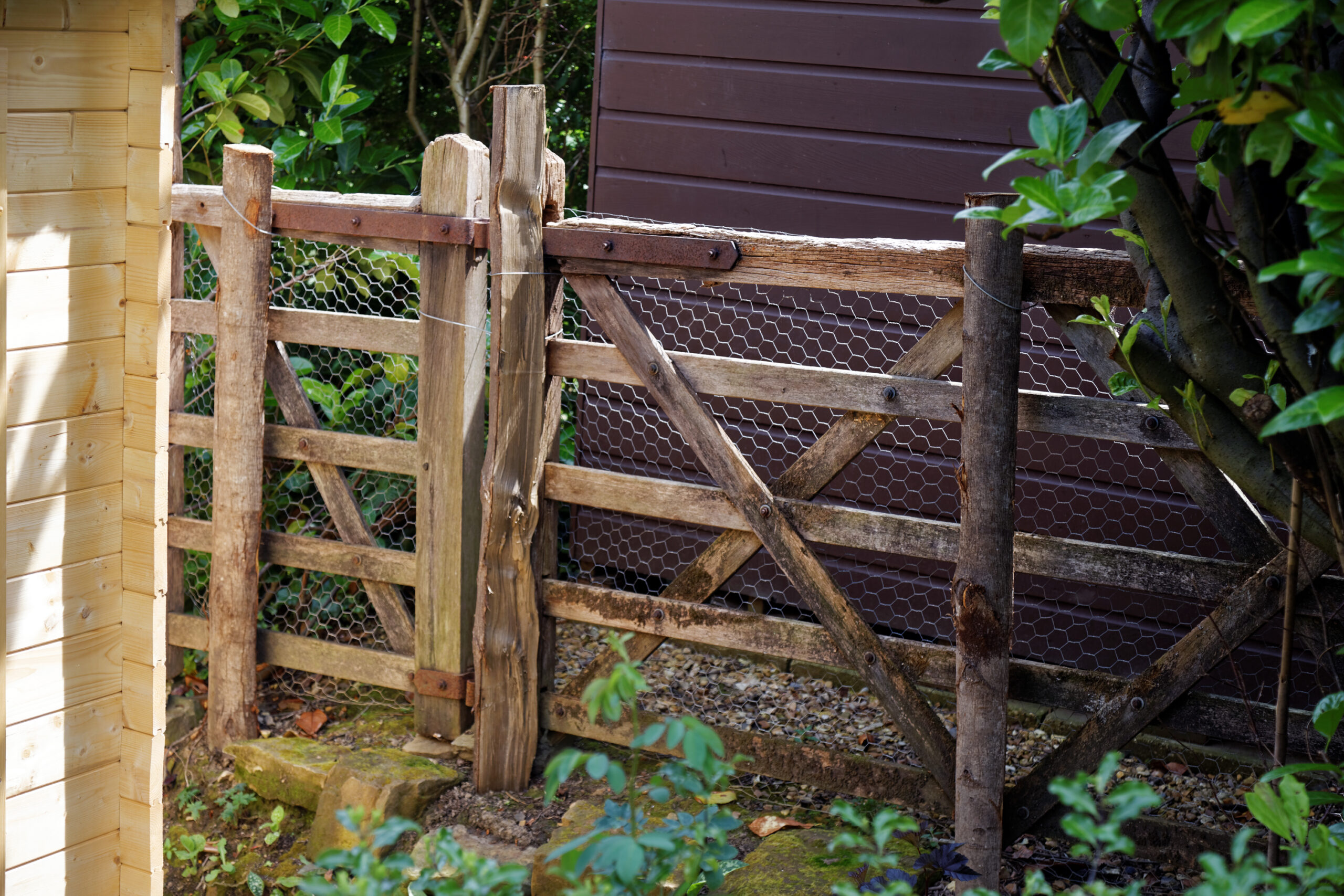
For Christine in Rutland, the answer turned out to be the oldest one on the books: a clear line, a solid fence and an agreement both households now keep.
This article was produced with AI assistance and edited for accuracy against the sources linked above.
Image: Acabashi – CC BY-SA 4.0/Wikimedia Commons