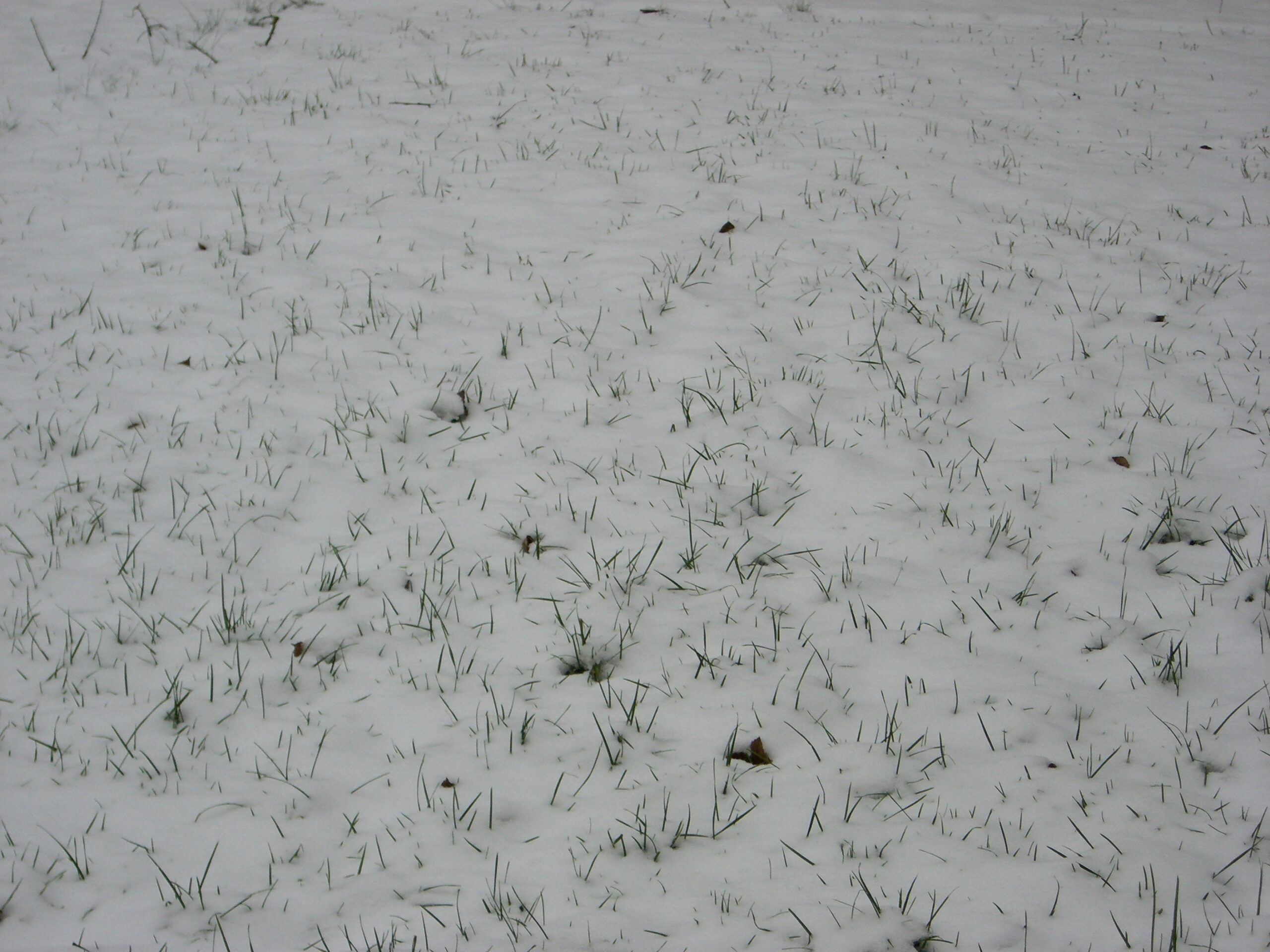
Connecticut Bans Phosphorus Lawn Fertilizer From Dec. 1 to March 15, and UConn Extension Says Lawn Feeding Should Wrap Up by Oct. 15
Connecticut’s winter blackout on phosphorus lawn fertilizer begins Dec. 1 and runs through March 15, and the date is close enough that leftover bags in the garage are worth a second look. The rule comes from a state law that has been on the books since 2013, and the UConn Extension guidance that accompanies it says lawn feeding in Connecticut is best finished by Oct. 15, a date that has already passed this year.
That makes the Dec. 1 start less a surprise than a hard stop. The state wrote the cutoff into its lawn rules, and the penalty for ignoring it is set in the same statute.
What the Dec. 1 to March 15 Blackout Actually Covers
The blackout is a ban on phosphorus, not on every kind of lawn fertilizer. Subsection (d) of the statute, Connecticut General Statutes Section 22-111yy, says no person shall apply a fertilizer, soil amendment or compost containing phosphate to any lawn from December 1 to March 15 of the following year. The FindLaw copy of the section is labeled current as of Jan. 1, 2025.
The law’s text uses the word phosphate, while UConn Extension describes it as a restriction on phosphorus fertilizers. In practice that is the middle number on a fertilizer bag, the “P” in a 10-10-10 or a 5-10-5. Nitrogen and potassium are not the target of the blackout.
The cutoff also applies to compost and soil amendments, not just bagged lawn food. Under the legislature’s summary of the 2012 act, the winter ban sits on top of a broader rule for established lawns, so the two stack rather than replace one another.
Homeowners who want the longer picture of how other states handle the same season can compare it with New York’s Dec. 1 to April 1 lawn fertilizer ban, which uses a similar cutoff but a later end date.
The Rule That Applies the Other 8.5 Months
The blackout is only one part of the law. According to UConn Extension’s guide to the phosphorus law, written by Dawn Pettinelli and Thomas Morris, the legislature passed the law in 2012 and it took effect Jan. 1, 2013. Phosphorus fertilizer can be used on an established lawn only when a soil test from the previous two years shows the soil is lacking in phosphorus.
The same statute lists the exceptions. Phosphate-containing products are allowed to establish new grass or repair a lawn with seed or sod, and the Justia copy of the statute shows agricultural land and golf courses are exempt. Any fertilizer, soil amendment or compost with 0.67 percent phosphate or less falls outside the restrictions too.
The statute adds two placement rules. Phosphate products cannot go on impervious surfaces such as patios, decks, gravel and pavers, and they cannot be applied within 20 feet of a brook, stream, river, lake, pond or sound. That distance drops to 15 feet when a drop spreader, a rotary spreader with a deflector or a targeted liquid spray is used, according to Public Act 12-155.
Why UConn Points to Oct. 15 as the Last Feeding Date
The Oct. 15 date is advice, not a legal deadline. UConn’s guide recommends fertilizing lawns and other plants only between April 15 and Oct. 15, when plants are actively growing.
The Connecticut Agricultural Experiment Station’s Valley Laboratory gives the reasoning in its fact sheet on liming and fertilizing established lawns. Written by Thomas Rathier, it says turf fertilizer is most effective “when it’s applied at times when the turf is actively growing.” The sheet also advises withholding fertilizer in late fall so that new growth is not hit by frost.
For a Connecticut homeowner, that leaves a simple calendar. April 15 to Oct. 15 is the window UConn recommends for feeding, the weeks after Oct. 15 fall outside that window, and Dec. 1 to March 15 is the period when the law forbids phosphorus outright.
What Happens if a Bag Goes Down in December
Enforcement belongs to the state’s agriculture department. UConn’s guide says the Connecticut Department of Agriculture is responsible for enforcing the law, and the statute has the agriculture commissioner assess a civil penalty of $500 for violating the winter blackout and several other subsections.
The statute sets the $500 figure but does not describe how often the state checks private lawns.
The state’s reasoning is about water. The Connecticut Department of Energy and Environmental Protection says conventional lawn chemicals can pollute water and that fertilizer use on established lawns has been limited by the need for phosphorus, as determined by a soil test, since 2013. Public Act 12-155 also directed DEEP and municipal officials to recommend a statewide strategy for reducing phosphorus in inland waters.
Getting the Lawn Through to Spring Without Phosphorus
A soil test is the way to find out whether a lawn needs phosphorus at all. Under the law, a soil test from the past two years has to show a deficiency before phosphorus goes on an established lawn. The Experiment Station’s fact sheet calls testing the most important step in lawn care and says to take 10 to 20 slices from 3 to 5 inches deep across the lawn.
UConn lists phosphorus-free sources for the growing season, including corn gluten (9-0-0), bloodmeal (12-0-0), potassium sulfate (0-0-50) and sul-po-mag (0-0-22).
Homeowners in neighboring states face their own versions of the same calendar, and New Jersey’s blackout starts Nov. 15. In Connecticut, the practical step before Dec. 1 is to check the number in the middle of any bag still in storage and put it away if the product carries more than the 0.67 percent phosphate the law allows.
Get stories like this by email. Sign up for The Parent Diaries Letter.
This article was produced with AI assistance and edited for accuracy against the sources linked above.
Image: Kristina D.C. Hoeppner from Wellington, New Zealand – CC BY-SA 2.0/Wikimedia Commons