The Real Reason Experienced Gardeners Say You Should Never Plant Tomatoes in the Same Spot Two Years in a Row
Every spring, people in the neighborhood admired Carol’s backyard because her tomato plants always looked healthier than everyone else’s. She had been growing vegetables for over twenty years and rarely changed her routine.
One season, however, she decided to save time by planting her tomatoes in the exact same garden bed where they had thrived the year before. At first, nothing seemed unusual, but the weeks that followed became a lesson she would never forget. The experience changed not only the way she gardened but also the advice she gave every new gardener who asked for help.
A Familiar Garden Bed Feels Like the Easy Choice
Carol looked at the rich soil and remembered the impressive harvest from the previous year. It seemed wasteful to move the tomatoes somewhere else when the location had already proven successful.
Her neighbor Ben suggested rotating crops, but she laughed and said healthy soil was healthy soil. She planted every tomato seedling in neat rows without giving it another thought. The garden looked just as promising as it always had.
Strong Growth Creates False Confidence
For the first several weeks, the tomato plants grew quickly with deep green leaves and sturdy stems. Carol proudly showed visitors how well everything was coming along. Ben quietly noticed a few lower leaves beginning to yellow but chose not to criticize her decision. Carol assumed the plants were simply adjusting after transplanting. Nothing appeared serious enough to raise concern.
Tiny Changes Begin to Add Up
As summer approached, more leaves developed brown spots that spread from the bottom upward. Carol trimmed the damaged foliage, believing it would solve the problem. Within days, new spots appeared on other plants that had looked perfectly healthy before. The changes happened so gradually that she kept convincing herself everything would recover. Instead, the garden became harder to manage with each passing week.
A Harvest That Never Lives Up to Expectations
The tomatoes finally began ripening, but many fruits were smaller than normal and lacked their usual flavor. Several plants stopped producing much earlier than expected. Carol compared the harvest with photos from previous years and realized something had gone terribly wrong. Friends who visited noticed the disappointing crop without her mentioning it. She could no longer deny that this season was different.
An Experienced Farmer Offers a Simple Question
At the local farmers market, Carol mentioned her disappointing harvest to an older farmer named Harold. Instead of asking about fertilizer or watering, he asked where she had planted the tomatoes. When she admitted they were in the exact same bed as the year before, he nodded immediately. He explained that many tomato diseases survive in the soil long after the plants are gone. Carol suddenly realized Ben’s advice had not been based on tradition alone.
Digging Deeper Reveals the Hidden Problem
Back home, Carol carefully removed one struggling plant to inspect its roots. They were thinner than expected and showed signs of damage despite receiving enough water. She researched common tomato diseases and found pictures that closely matched what she was seeing in her garden. Many articles explained how rotating crops interrupts disease cycles and reduces the buildup of harmful organisms in the soil. The answer had been beneath her feet the entire time.
The Neighbor Shares His Own Story
Ben stopped by after noticing Carol pulling out several unhealthy plants. He admitted he had made the exact same mistake years earlier and lost nearly his entire tomato crop. That experience convinced him to rotate tomatoes through different sections of his garden every season. Since making the change, he had experienced far fewer disease problems. Carol appreciated that he shared the lesson without saying, “I told you so.”
An Experiment Begins the Following Spring
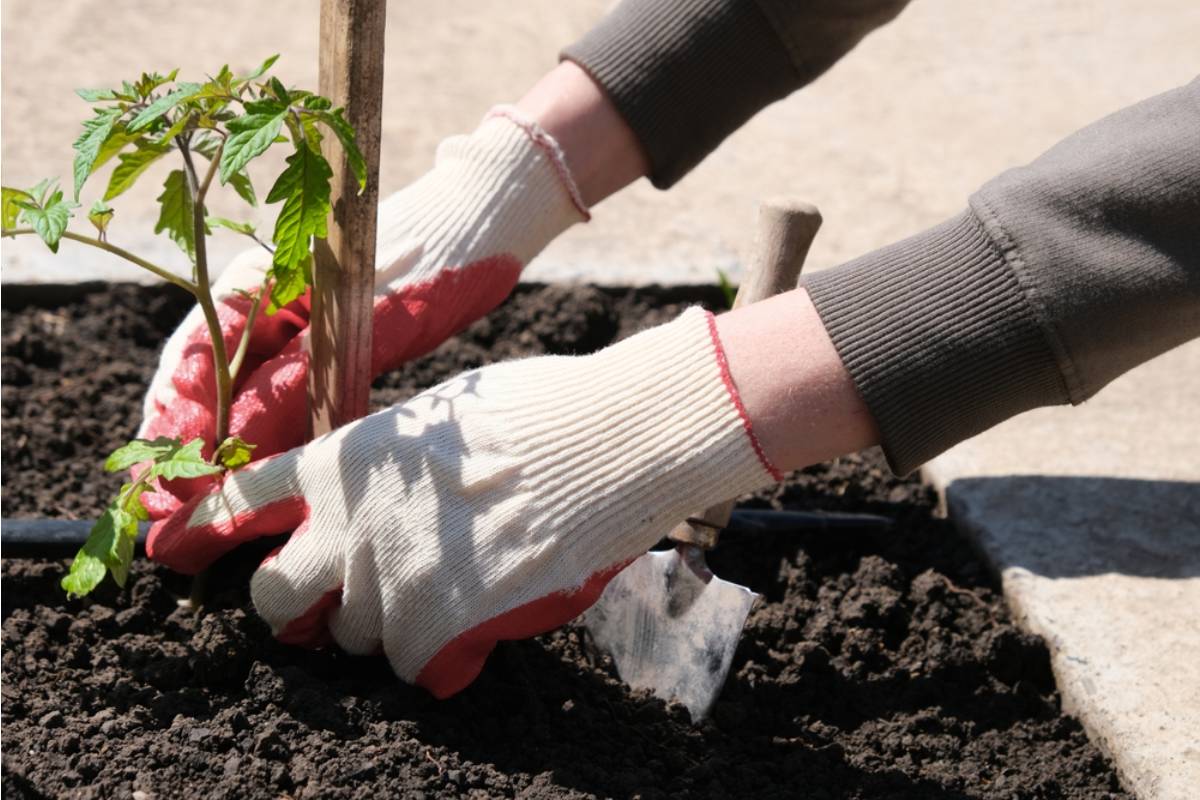
Determined to test the advice herself, Carol moved her tomatoes to a completely different garden bed the next season. The old tomato bed was planted with beans and leafy greens instead. She also added compost and cleaned all her gardening tools before planting. Although it required more planning, she wanted to eliminate every possible source of recurring disease. Friends were curious whether the extra effort would actually matter.
Healthy Plants Tell a Different Story
Within weeks, the difference became obvious. The new tomato plants stayed greener, developed stronger stems, and showed none of the early spotting that had appeared the previous year. Even Ben commented that they looked healthier than he had expected. Carol finally felt the confidence she had been missing since the previous harvest. She realized healthy plants often begin with decisions made long before the first flowers appear.
Curious Neighbors Keep Asking the Same Question
As the tomatoes flourished, several neighbors asked what new fertilizer she had discovered. Carol smiled and explained that she had changed something much simpler than fertilizer. She described how rotating crops gave the soil a chance to break the cycle of diseases and pests that target tomatoes. Most people were surprised because they had always focused on feeding plants rather than protecting the soil itself. The conversations spread quickly throughout the neighborhood gardening group.
A Community Garden Faces the Same Challenge
Later that season, volunteers at the local community garden noticed similar disease problems affecting several tomato plots. Carol shared her experience during one of the planning meetings. The group decided to create a crop rotation schedule for every bed instead of planting the same vegetables in the same places each year. It required more coordination, but everyone agreed it was worth trying. The following season produced healthier gardens across the entire property.
A Lesson That Lasts Longer Than One Harvest
Looking back, Carol realized her biggest mistake had been assuming that past success guaranteed future results. Healthy soil can still harbor diseases that quietly wait for the same crop to return. Rotating tomatoes was not an old gardening myth passed down without reason. It was a practical habit developed through generations of observation and experience. Every time someone admired her thriving tomato plants, she made sure to explain that the healthiest harvest often begins by planting them somewhere new.