The Real Reason Your Seedlings Keep Dying After Transplant, According to Gardeners Who Finally Figured It Out
Every spring, countless gardeners celebrate when tiny seedlings finally grow strong enough to leave their trays, only to watch them wilt, stop growing, or die within days of being transplanted. Many assume the problem is bad soil, poor seeds, or simple bad luck, but experienced gardeners often discover that the real causes are much more specific.
Small mistakes made during transplanting can put enormous stress on young plants before they ever have a chance to establish healthy roots. After years of trial and error, many home gardeners have identified patterns that explain why healthy seedlings suddenly fail. Once they changed a few habits, they noticed stronger plants, faster growth, and far fewer losses.
The Healthy Plants That Suddenly Collapsed
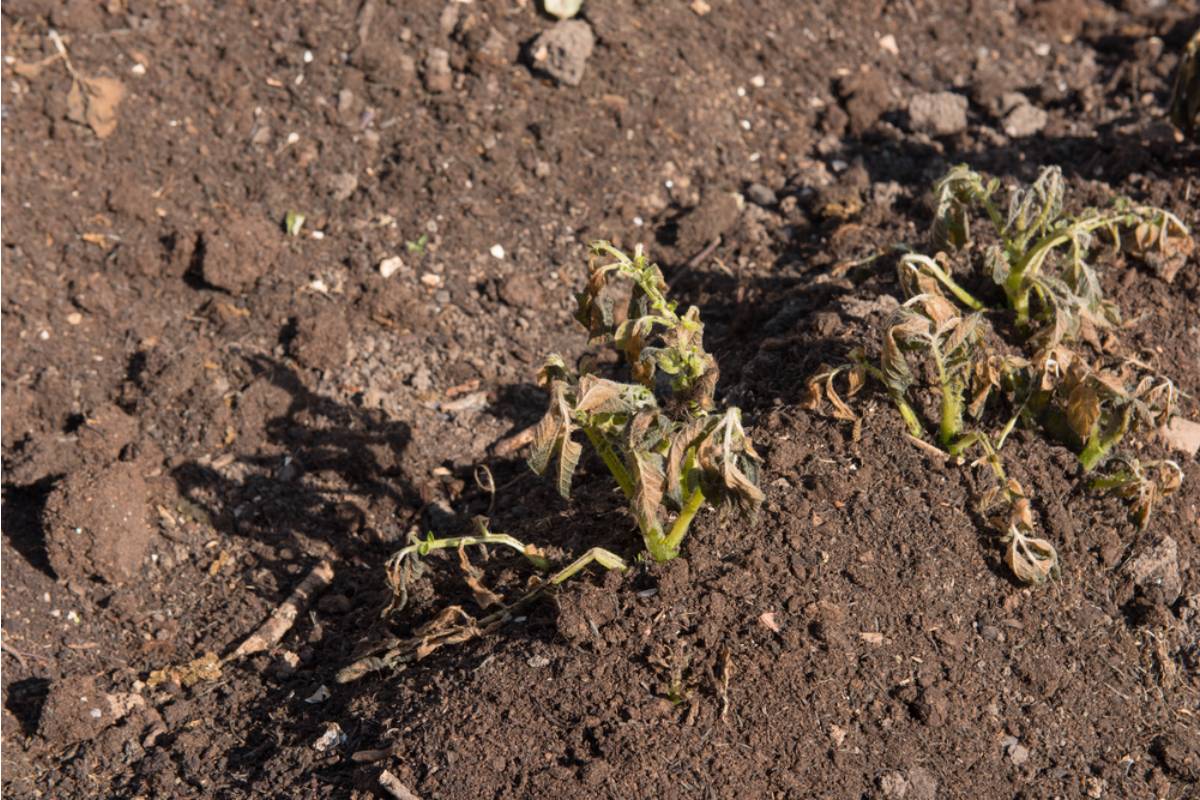
Rachel couldn’t understand why her tomato seedlings looked perfect indoors but turned limp after moving into her raised beds. She watered them carefully and expected them to recover overnight, but they looked even worse the next morning.
Her neighbor walked over, examined the plants, and immediately asked whether they had spent any time outside before transplanting. Rachel admitted she had carried them directly from her kitchen window to the garden. That conversation introduced her to a mistake she had never heard about before.
A Week of Preparation Changed Everything
Instead of planting new seedlings immediately, Rachel began placing them outdoors for short periods each day. The first outing lasted less than an hour before she carried them back inside. Every day she increased their exposure to sunlight, wind, and cooler temperatures. The plants gradually became sturdier, and their stems stopped looking fragile. When transplant day finally arrived, they handled the move without the dramatic collapse she had experienced before.
Roots Were Trapped in a Tiny Circle
Mark carefully pulled one struggling pepper seedling from the soil after it failed to grow for weeks. He noticed the roots were still wrapped tightly in the same circular shape they had formed inside the small container. They had barely reached into the surrounding garden soil. An experienced gardener suggested gently loosening the root ball before planting. The following season, his peppers established themselves much faster because the roots immediately began growing outward.
Planting at the Wrong Depth Created Bigger Problems
Emily assumed deeper planting would give her vegetables extra support. Instead, several seedlings developed weak stems and eventually rotted near the soil line. After reading advice from longtime gardeners, she realized that different plants have different planting depth requirements. Tomatoes often benefit from being planted deeper, while many other vegetables do not. Matching the depth to each type of seedling dramatically improved their survival.
The Afternoon Sun Was Too Much Too Soon
James transplanted his lettuce just before lunch because it fit his schedule. By evening, the leaves looked scorched even though the soil remained moist. An older gardener nearby suggested planting either early in the morning or later in the evening when temperatures were lower. He also recommended giving the seedlings temporary shade for a few days. The next batch settled into the garden without showing signs of severe stress.
Watering the Surface Wasn’t Helping the Roots
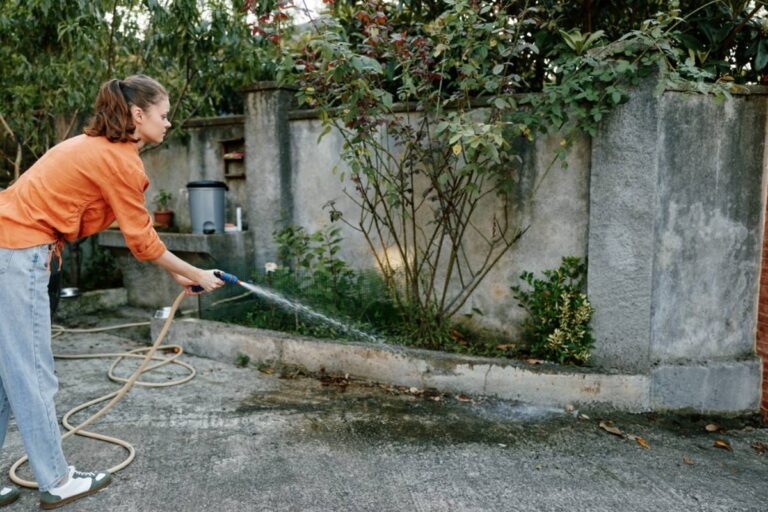
Linda believed frequent light watering would keep her seedlings alive. Instead, the top layer of soil stayed damp while the roots deeper underground remained dry. She switched to watering thoroughly after transplanting so moisture reached well below the surface. She also waited until the soil actually needed more water instead of watering on a fixed schedule. Her seedlings quickly developed stronger root systems that could handle warmer days.
Rich Fertilizer Turned Into a Surprise Problem
Excited to encourage fast growth, Brian mixed a generous amount of fertilizer directly into every planting hole. Within days, several seedlings developed brown leaf edges and stopped growing. He later learned that young roots are extremely sensitive to high fertilizer concentrations. During his next planting, he waited until the seedlings were established before feeding them. The plants responded with steady, healthy growth instead of showing signs of stress.
Wind Was Doing More Damage Than Anyone Noticed
Sophia couldn’t understand why her seedlings kept leaning even after being watered. She finally noticed that strong afternoon winds were constantly pushing against the young stems. A temporary wind barrier made from simple garden fabric reduced the constant movement. Within days, the plants stood upright and began producing new leaves. She realized that protecting seedlings during their first week outdoors could make a remarkable difference.
Crowded Roots Created Hidden Competition
David proudly filled every available space in his garden bed because he wanted the biggest harvest possible. As the weeks passed, many seedlings stayed small while a few stronger plants dominated the area. Digging around the roots revealed they were competing heavily for water and nutrients. The following season he gave each plant the recommended spacing. Nearly every seedling survived and produced a healthier crop.
Soil Temperature Was the Missing Piece
Karen rushed to plant warm season vegetables as soon as the calendar suggested spring had arrived. The seedlings remained alive but barely grew for nearly three weeks. A gardening friend asked whether she had actually checked the soil temperature before planting. She hadn’t considered that the ground could still be too cold even when the air felt comfortable. Waiting for warmer soil the following year led to much quicker growth after transplanting.
Tiny Pests Were Attacking at Night
After eliminating every possible watering mistake, Chris still found damaged seedlings every morning. During an evening flashlight inspection, he discovered slugs quietly feeding on the tender stems after dark. He had never seen them during the day because they hid beneath mulch and nearby boards. Once he removed their hiding places and added simple barriers around vulnerable plants, the nighttime damage almost disappeared. His surviving seedlings recovered surprisingly fast.
Experienced Gardeners Started Watching Instead of Guessing
Over time, many gardeners realized that successful transplanting depended more on observation than routine. They checked leaves for early signs of stress, monitored soil moisture by touch instead of habit, and adjusted their care based on each plant’s response. They stopped assuming every vegetable wanted identical treatment. Small changes made at the right moment often prevented problems before they became serious. What once felt like mysterious bad luck gradually became a predictable process they could manage with confidence.