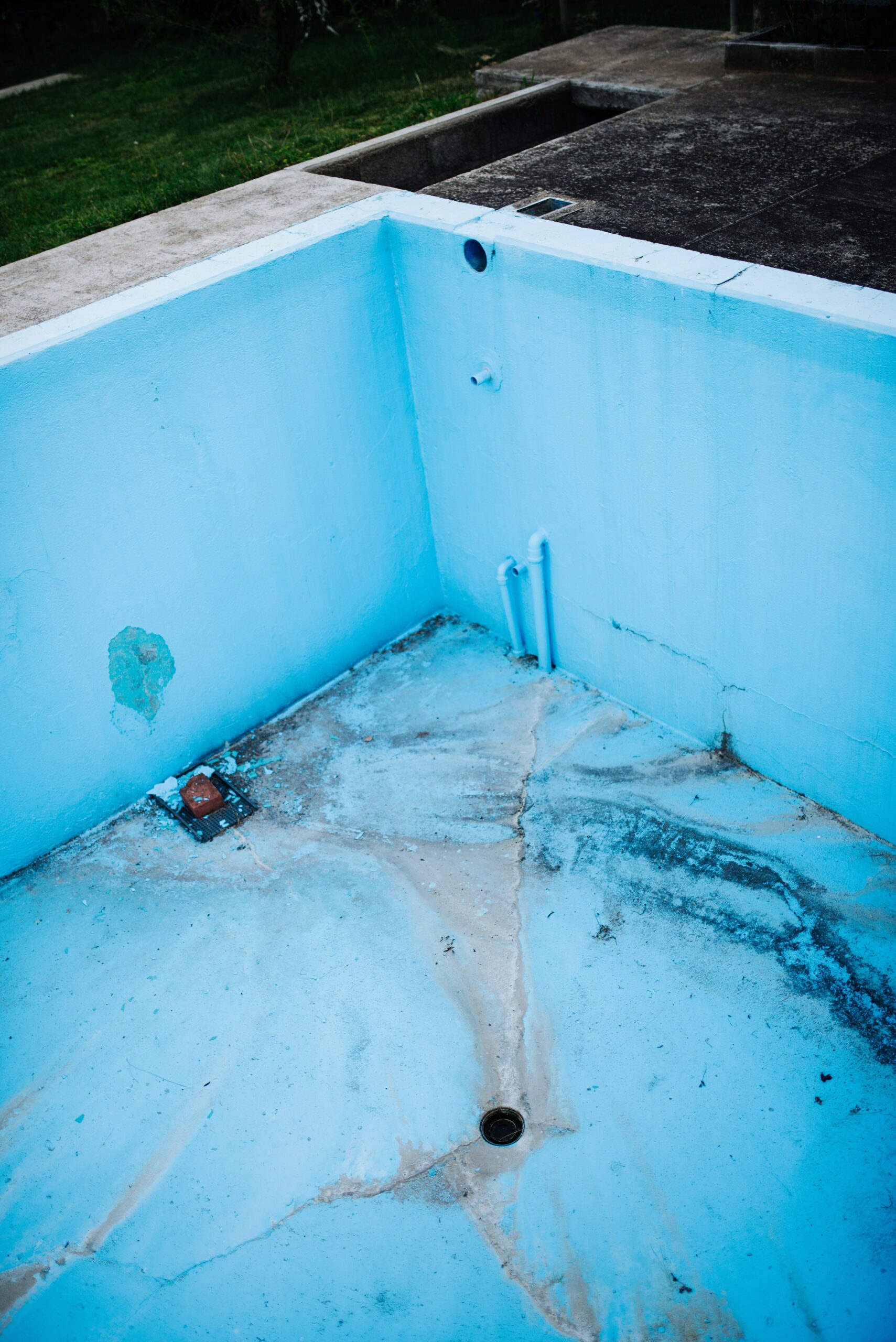
An Old Pool Hid Under Rotten Plywood on an Overgrown West Houston Lot While Neighbors Complained for Months.
For months, the back of the vacant lot at 3206 Chris Drive in West Houston hid a hazard under tall weeds: a large hole, left over from the swimming pool of a house that once stood there, covered only by rotten plywood. On Nov. 5, city crews tore out what was left of the pool and filled the hole in, according to KPRC 2’s Click2Houston.
The fix came after the station’s consumer unit took the neighbors’ complaints straight to the head of Houston Public Works. A contractor cleared the weeds on Oct. 23, and the pool came out less than two weeks later.
A hole the weeds had swallowed
KPRC 2 investigative reporter Mario Díaz and photojournalist Anthony Peavie first went to the 3200 block of Chris Drive in October. In their first report, they described a lot so overgrown that the weeds hid a large hole toward the back of the property. The only thing over it was deteriorating plywood.
The lot sits next to a city park. Residents told the station a neighboring fence left the park open to the public, so anyone walking through, including children, could wander onto the property and step onto the boards.
A city violation notice had been posted on the lot since July, saying the hole needed to be filled. By mid-October, the station reported, the hole was still open and the weeds were still standing.
“11” out of 10
Michael Brophy, who lives in the neighborhood, called the lot a major concern for the whole street. Asked to rate how serious it was on a scale of 1 to 10, he answered “11” without hesitating, according to KPRC 2.
The problem went back further than the weeds. Brophy said the city took a long time to demolish the abandoned house that used to stand on the lot, which teens and others had been using as a hangout. Once the house was gone, the pool behind it stayed.
Neighbors said they had contacted the city and gone through their homeowners association, without results. Residents told the station they wanted two things: the lot cleaned up and the hole filled or secured, mainly to protect children.
What the city did, and when
After its October coverage, KPRC 2 contacted Houston Public Works Director Randy Macchi, who also oversees the city’s garbage and heavy-trash collection. According to the station’s Nov. 18 follow-up, Macchi knew the property’s history and acted on the complaints. The department gave the station this timeline:
- Oct. 23: A Houston Public Works contractor cut down the high weeds covering the lot.
- Nov. 5: Crews demolished and removed the old pool, backfilled the hole and restored the site.
“The department confirmed all previously identified code and nuisance violations have now been addressed,” KPRC 2 reported. Neighbors told the station they were grateful the lot had finally been dealt with.
Who pays for the cleanup
The city intends to bill the property, not the neighbors. Houston Public Works plans to file liens with Harris County to recover the cost of the cleanup and abatement, according to the station’s report.
The station’s report did not name the lot’s owner or give a dollar figure for the weed cutting, demolition and backfill.
Why an empty pool next to a park worried a whole street
An abandoned in-ground pool on a neglected lot is a different problem from a pool behind a fenced yard. The federal Pool Safely campaign, run by the U.S. Consumer Product Safety Commission, says “a fence of at least four feet in height should surround the pool or spa on all sides,” with access only through a self-closing, self-latching gate. According to KPRC 2’s reporting, the old pool hole on Chris Drive had only weeds and rotting plywood between it and a public park.
The stakes behind those rules are spelled out in the commission’s own numbers. In its annual drowning report, the CPSC said an average of 357 children under 15 died each year from pool- or spa-related drownings from 2020 through 2022. Children ages 1 to 3 made up 68% of those deaths, and where the location was known, 85% happened at a home, most often in a backyard pool. The agency urges barriers such as pool covers, fencing and self-latching gates to keep an unsupervised child from reaching the water.
Standing water and neglected yard features cause trouble for the people next door in other ways too, as with the stagnant backyard water feature one renter inherited, crawling with mosquito larvae. Vacant land can be more complicated than it looks, too, as one homeowner found with her neighborhood’s empty corner lot.
On Chris Drive, the change took about two and a half weeks from the weed cutting to the backfill. For the neighbors who had watched the violation notice sit on the lot since July and the plywood rot under the weeds, the Nov. 5 work closed out a problem that had sat behind their fences for months.
This article was produced with AI assistance and edited for accuracy against the sources linked above.