Virginia Will Plant a Forest Buffer Along a Stream, Pond or Ditch at No Cost to Homeowners and HOAs That Agree to Keep It Wooded for 15 Years
Virginia property owners with a creek, pond or even a drainage ditch running along the edge of the yard can have the state plant trees there for free. The Virginia Department of Forestry’s Riparian Forests for Landowners program covers the planning, site preparation, planting and the first year of upkeep, as long as the owner agrees to leave the new strip of woods standing for at least 15 years.
The offer is open to individual homeowners as well as homeowners associations and civic leagues, according to the department’s program page. The state is taking sign-ups now for plantings that run through next spring.
What the state plants, and where
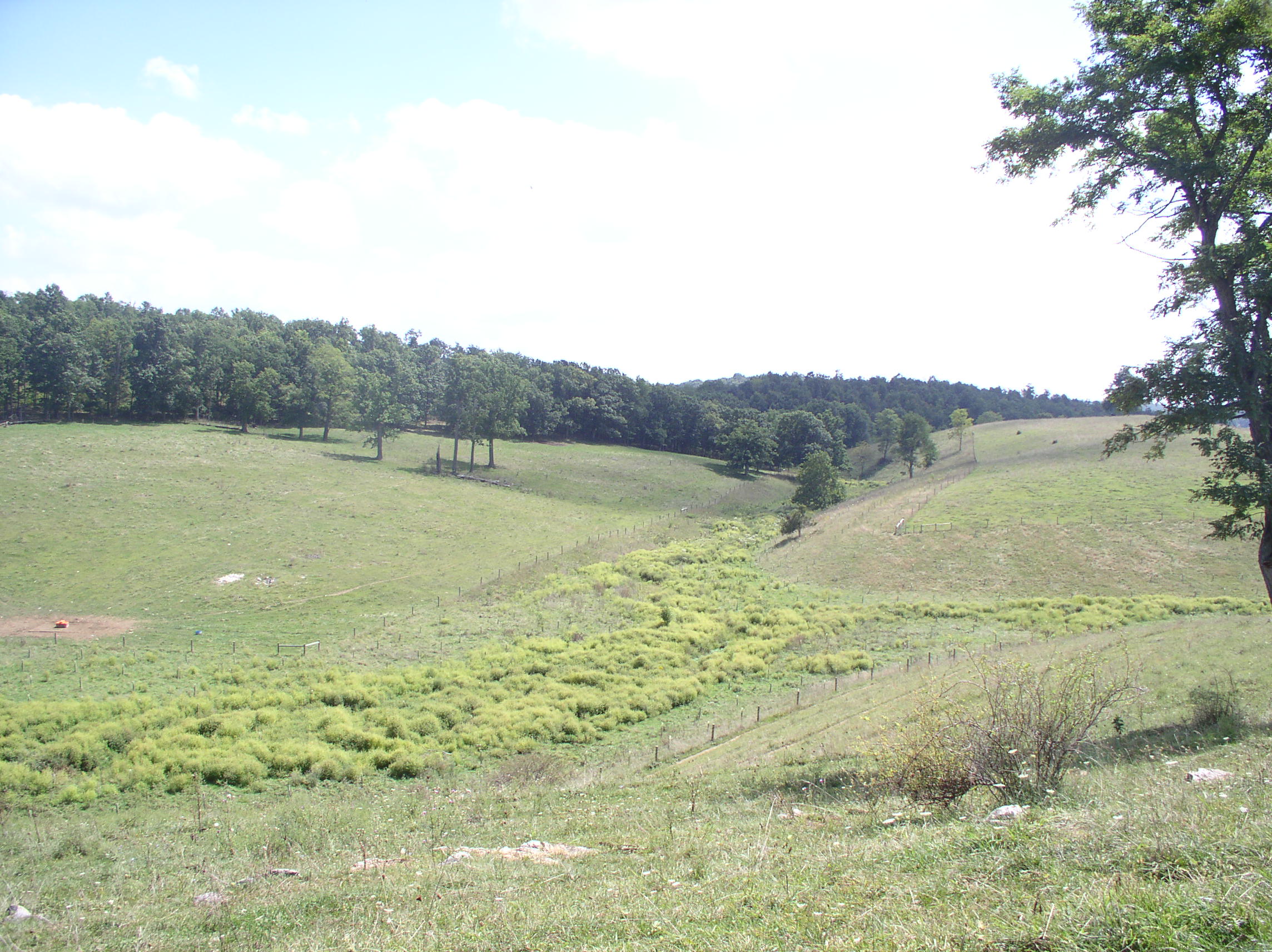
The program builds what foresters call a riparian buffer, a band of trees along the water’s edge. The department plants pine, hardwood or a mix of both. A new buffer has to be at least 35 feet wide measured from the water, and an existing one can be widened to as much as 300 feet on each side.
The water does not have to be a river. WHRO reported on Nov. 4 that qualifying water bodies include rivers, streams, wetlands, ponds, reservoirs, springs and manmade canals or irrigation ditches. The program is open in rural, urban and suburban areas alike.
There is one condition about the land itself. The department’s program fact sheet says invasive plants must cover less than 20% of the site.
What it costs a homeowner
Nothing up front. The department lists the work as provided at no cost to the landowner, and the program’s money comes from the state’s Water Quality Improvement Fund. WHRO reported that $700,000 is available for the current round, which is the program’s third year.
The trade-off is time. Owners commit to keeping the planted area as forest for at least 15 years, while the program’s own maintenance covers only the first year.
Sign-ups are continuous and handled first come, first served “until funding is depleted,” the department says. Installations are planned from this fall through spring 2027, with maintenance support running into 2028.
Why the state wants trees on the water
The fact sheet lists water quality protection, soil stabilization, erosion control and flood mitigation among the benefits, along with shade that cools streams for fish and habitat for wildlife. It also lists aesthetic value, recreation and possible fruit and nut production.
The department’s website, as quoted by WHRO, says “the many trees and other vegetation in riparian zones play an important role in reducing the likelihood of floodwaters.”
When the department announced an earlier round, program coordinator Deya Ramsden described it as “turnkey,” telling CvilleCountry that it “is available to a variety of landowners.” That round was backed by more than $1.15 million for 2025 to 2027.
How the program started
The department first announced the program in a May 15, 2024, news release, with money from the federal Inflation Reduction Act through the USDA Forest Service and from Virginia’s Water Quality Improvement Fund Act. Its first plantings were set for fall 2024 through spring 2025.
That release describes riparian forest buffers as transition areas near water that catch sediment, nutrients and other pollutants in the soil before they reach a stream or pond. “Trees established in these buffers will act as filters to provide cleaner water,” Ramsden said at the time.
The program has grown since. When the 2025 round opened, CvilleCountry reported that about 200 acres of buffers had been installed through the program the year before. WHRO reported that 825 acres of riparian buffers were installed in Virginia this year, about 150 of them through this landowner program.
How to sign up
Owners apply by filling out the Landowner Interest Form linked from the department’s program page. A department forester or a representative from one of the partner organizations then follows up to look at the site, and eligible projects are funded in the order the forms come in. The department’s watershed staff can be reached at [email protected] or (434) 220-9024.
The partner groups listed on the fact sheet are the Alliance for the Chesapeake Bay, Friends of the Rappahannock, the James River Association, Terra Habitats LLC and York River Steward.
Owners along streams that feed the James River have a second route. The James River Buffer Program, run with the Chesapeake Bay Foundation in the Middle and Upper James watershed, also plants buffers free of charge and includes three years of maintenance, with projects ranging from about 0.1 acres to more than 10 acres. It carries the same 15-year commitment.
Yard trees more often show up on this site when someone is cutting them down, as in the billboard crews that cleared the woods behind Elizabeth Alls’ Charlotte home. Virginia’s program runs the other direction, putting new trees in at the edge of the water rather than taking them out.
This article was produced with AI assistance and edited for accuracy against the sources linked above.
Image: USDA – Public domain/Wikimedia Commons