Pennsylvania Lawns Get a Half-Pound Nitrogen Limit From Dec. 15 to March 1, and No Fertilizer at All Once the Ground Freezes
Pennsylvania homeowners who like to give the lawn one more feeding before winter are running into a date in the state’s fertilizer law. From Dec. 15 until March 1, any fertilizer put on turf can carry no more than 0.5 pounds of total nitrogen per 1,000 square feet.
And whenever the ground is frozen at least 2 inches deep or covered in snow, the law bars nitrogen and phosphorus fertilizer on turf entirely. Those rules apply to people treating their own yards, not just to lawn care companies.
What the Law Says About Winter
The timing rules sit in Section 6813 of Pennsylvania’s agriculture code, the state’s turf fertilizer law. The statute’s text bars applying fertilizer “containing more than 0.5 pounds of total nitrogen per 1,000 square feet” to turf “after December 15 and before March 1,” unless the Department of Agriculture sets a different rate or dates by regulation.
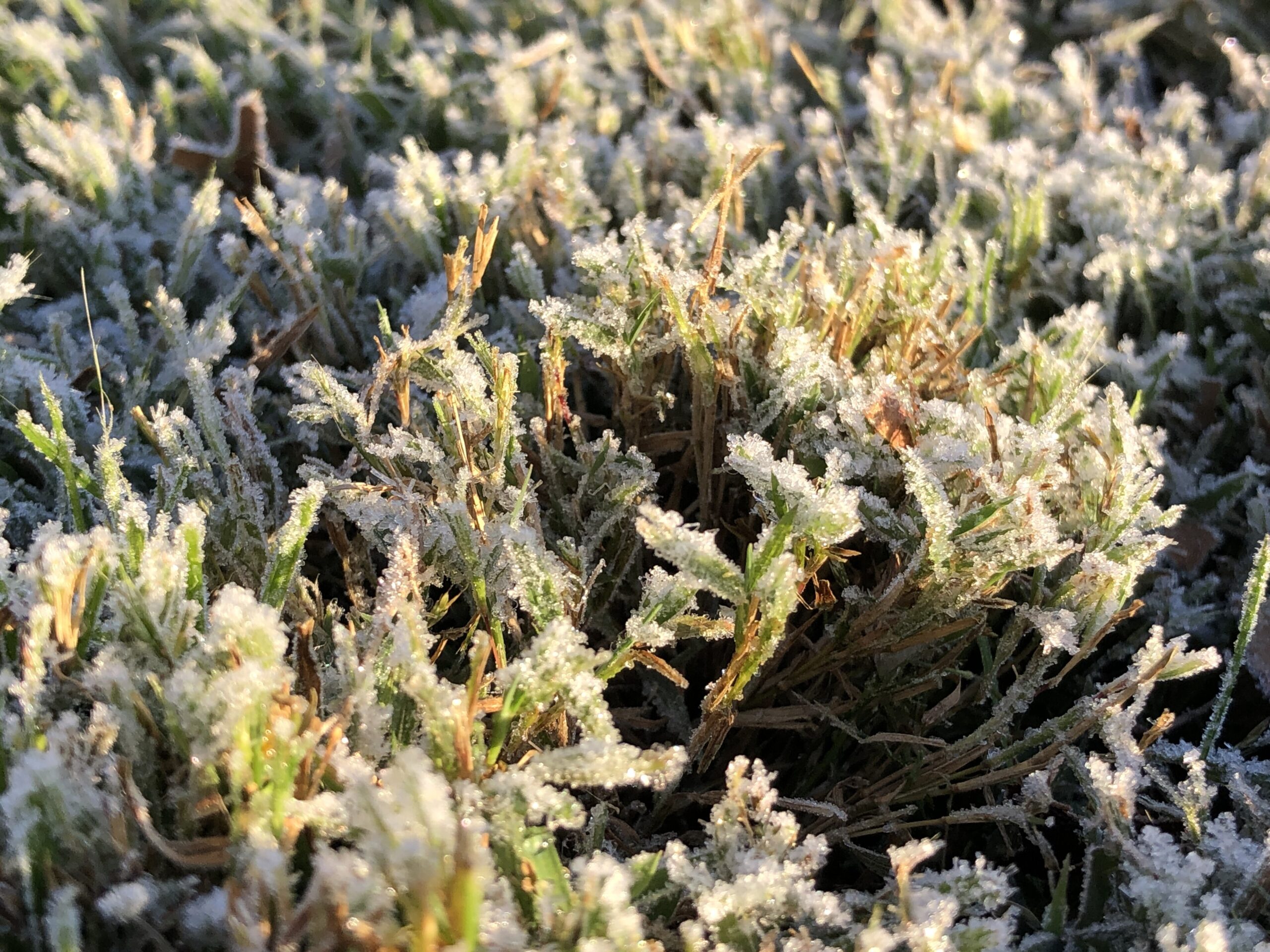
The frozen-ground rule has no season attached. The same section bars nitrogen or phosphorus fertilizer on turf “at any time when the ground is frozen to a depth of at least two inches or snow covered.”
The Pennsylvania Department of Agriculture describes the Dec. 15 to March 1 stretch as a “reduced application period” in its overview of the fertilizer law, with the 0.5-pound nitrogen cap per application.
Homeowners Count as Applicators
The department’s overview is direct about who has to follow the rules. Homeowners and residents who spread fertilizer are applicators under the law and must meet the same requirements as anyone else, it says. No license or certification is currently required to apply it.
Penn State Extension describes the homeowner side the same way: the law covers people fertilizing their own lawns along with commercial lawn care companies and the crews that tend parks, golf courses and athletic fields, according to a Penn State Master Gardener guide by Maureen Karl.
From a Winter Ban to a Winter Cap
Older guides to the law, including that one, describe the Dec. 15 to March 1 period as a full stop for nitrogen and phosphorus. That was the original 2022 wording. House Bill 156 of 2023 struck the outright winter ban from Section 6813 and replaced it with the 0.5-pound nitrogen limit, while keeping the frozen-ground ban in place.
The current statute and the department’s December 2023 overview both use the cap, so a light winter feeding below half a pound of nitrogen per 1,000 square feet is allowed on unfrozen, snow-free ground.
Much of the law reaches homeowners through the label. According to the department’s overview, new label requirements covering the source of nutrients, directions for use and environmental site restrictions took effect Jan. 11, 2024.
The overview also says turf fertilizer products must contain zero phosphorus unless an exception applies, and at least 20 percent of their nitrogen must be in enhanced-efficiency form, unless the product is a liquid or its label includes application rate directions.
The Rest of the Year’s Limits
Outside the winter window, the caps are higher but still firm. The department’s page for homeowners and applicators limits each application to 0.7 pounds of plant-available nitrogen and 0.9 pounds of total nitrogen per 1,000 square feet, unless an enhanced-efficiency nitrogen product is used.
Phosphorus is mostly off the table. It may be applied only when establishing, reestablishing or repairing turf, or when using an enhanced-efficiency phosphorus product, and those products are capped at 0.25 pounds per 1,000 square feet per application and 0.5 pounds per year.
Location matters too. The department asks for a 15-foot buffer from the top bank of lakes, ponds, wetlands and flowing water, and says to stay away from storm drains and drainage ditches. Fertilizer should not go down when heavy rain is expected, and it should never be used to melt snow or ice.
Penn State Extension adds that fertilizer cannot be spread on driveways, sidewalks or other hard surfaces, and that any spill there must be cleaned up right away. Spreaders should be properly calibrated, the extension says, and a soil test that recommends a higher rate can be followed instead of the standard caps.
The Department of Agriculture investigates complaints about fertilizer that is applied improperly, along with products that may be mislabeled or fall short of what their labels state, according to its homeowners page. Complaints go through a form on the department’s plant programs website.
Questions about the law go to Denise Uzupis, a natural resource program specialist with the department, at (717) 257-6548.
Other States Set Hard Stops
Pennsylvania’s winter rule is a cap rather than a full stop, which sets it apart from several neighbors. New Jersey’s lawn fertilizer blackout runs from Nov. 15 to March 1, Maryland homeowners cannot fertilize after Nov. 15, and New York’s winter ban starts Dec. 1.
For Pennsylvania yards, the two numbers to remember are Dec. 15 and 2 inches. After the first, the nitrogen cap drops to half a pound. Once the ground freezes 2 inches deep, or snow covers it, nitrogen and phosphorus fertilizer cannot go down at all.
This article was produced with AI assistance and edited for accuracy against the sources linked above.
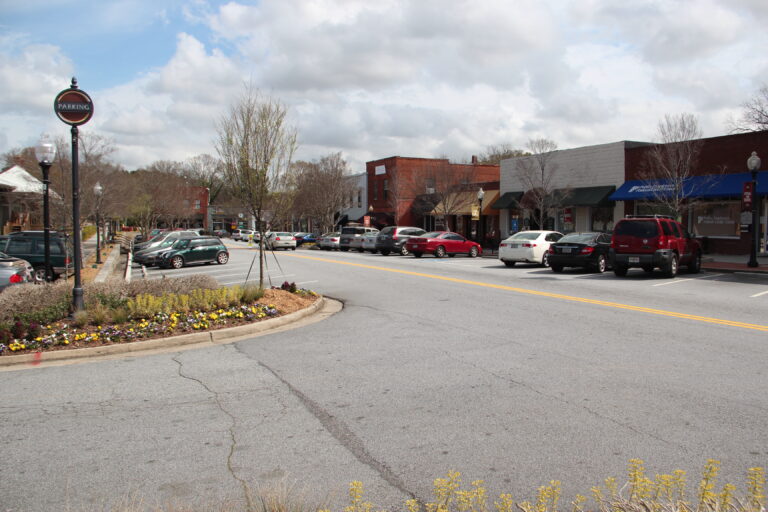
Image: Famartin – CC BY-SA 4.0/Wikimedia Commons