Santa Monica May Ban Watering Decorative HOA Lawns by 2029, but Most Homeowners Are Exempt
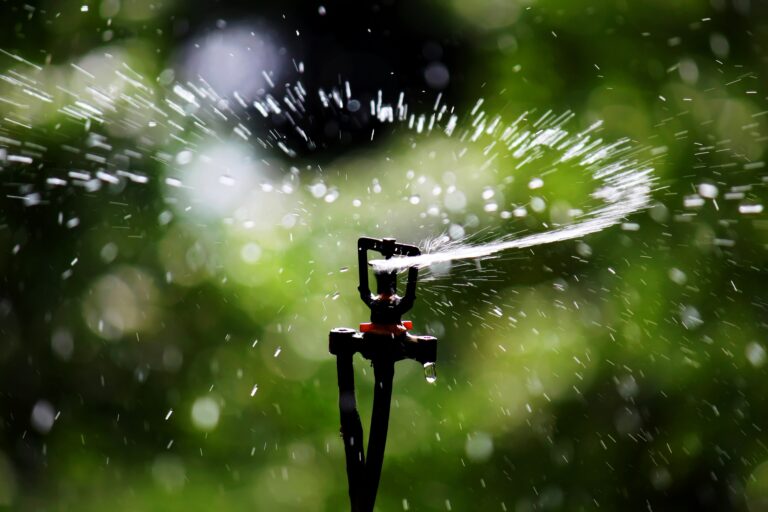
Santa Monica is working on a rule that would stop drinking water from being used on grass that serves no real purpose, and homeowners’ associations would be part of it. Under the proposal, the ban on tap-water sprinklers for decorative lawns would reach HOA common areas on Jan. 1, 2029. Single-family homes that are not governed by an HOA would be left out of the rule entirely.
The ordinance is still a proposal. As Patch reported on Oct. 26, it was set for a first reading at the City Council meeting the next day and had not been approved.
Where the Santa Monica Ordinance Stands
The City Council’s Oct. 27 agenda lists the item on the consent calendar as the “Introduction and First Reading” of an ordinance that would add Section 7.16.025 to the municipal code, according to the city’s meeting page. The staff recommendation was to introduce it for first reading, to prohibit potable water irrigation of nonfunctional turf as required by AB 1572.
The city’s page is an agenda outline and lists no vote or result, and the city clerk’s agenda listing shows no minutes posted yet for the Oct. 27 meeting. With final adoption not shown anywhere on the city’s pages, the rule remains a proposal. The clerk’s listing shows the council’s next regular meeting on Nov. 17 at 5:30 p.m.
A Phase-In From 2027 to 2029
Patch reported that the dates would arrive in steps. Local governments, public agencies and public water systems would come first, on Jan. 1, 2027. Other commercial, industrial and institutional properties, such as office buildings and business complexes, would follow on Jan. 1, 2028.
HOA common areas, common interest developments and community service organizations would be last, on Jan. 1, 2029. Certain public properties in disadvantaged communities would not be covered until Jan. 1, 2031, and only if state turf-replacement funding is available, according to Patch.
That schedule matches the state timeline published by the California Water Efficiency Partnership’s turf site, which lists the same four dates and names HOA common areas for 2029.
The city is not waiting on its own properties either. Patch reported that Santa Monica is already surveying its own landscaped areas and that the Water Resources Division is working with the Santa Monica-Malibu Unified School District and Santa Monica College.
Who Is Exempt, Including Single-Family Homes Without an HOA
Patch reported that single-family homes and apartment buildings not governed by an HOA are exempt. Also exempt are recreational areas such as parks, sports fields and playgrounds, cemeteries, certain public gathering spaces, grass watered with recycled water, and irrigation needed to keep trees and other perennial plants alive.
For an HOA board, the practical question is which strips of grass count. A lawn that residents actually use for gatherings or play is treated differently from a strip of grass along a fence or at the entrance sign, and the state’s own definitions draw that line.
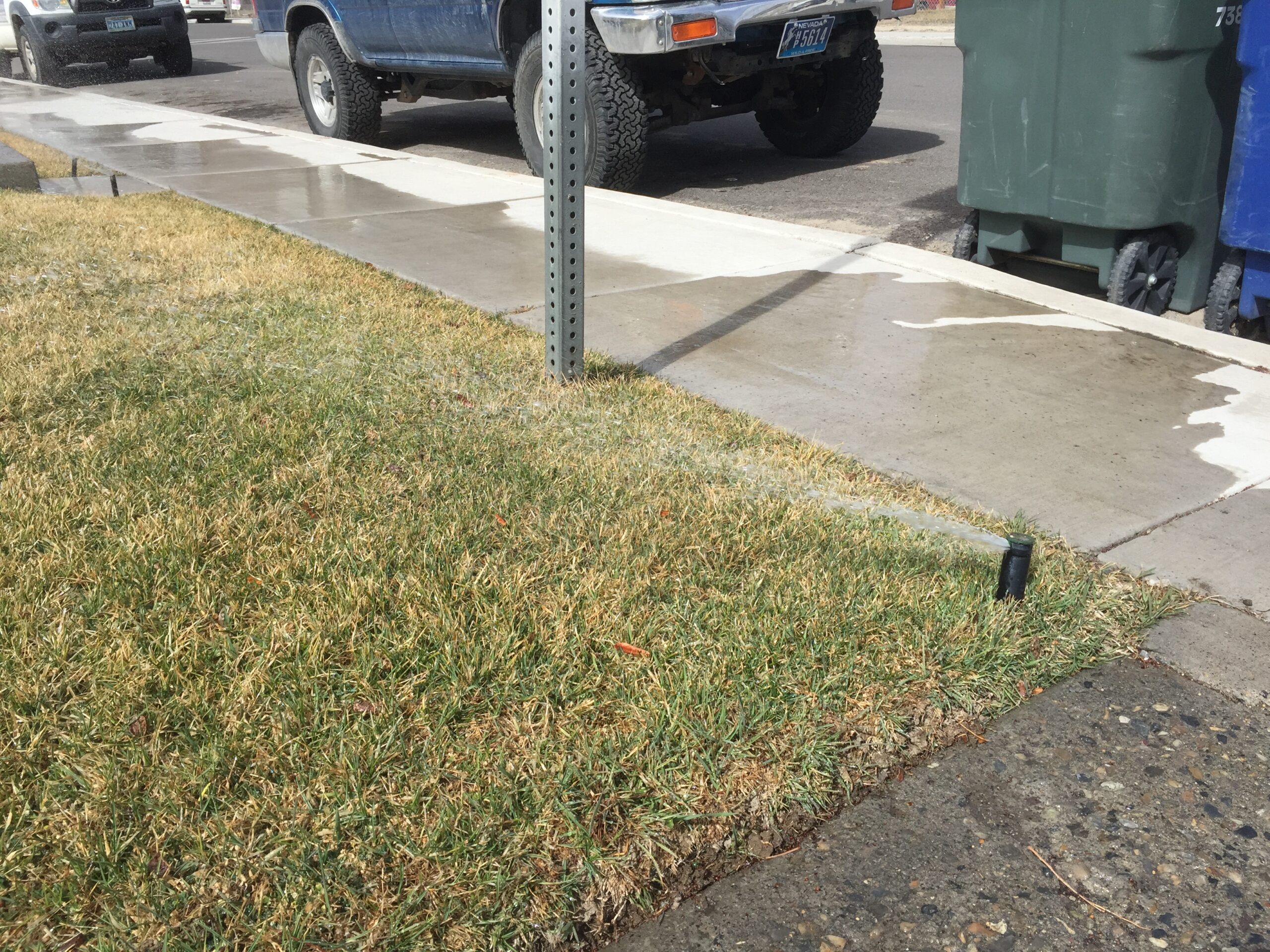
The rule also does not tell anyone to tear out a lawn. Patch reported that affected grass simply cannot be watered with drinking water after the deadline. The state describes the target as mowed grass that is “not in a recreational use area or in a community space,” according to the State Water Resources Control Board, with examples such as grass along parking lots, signs, buildings and sidewalks. The Water Board also says HOAs and similar groups must certify their compliance to the state.
The partnership’s site lists medians, roundabouts, entry signage zones and decorative lawn along sidewalks, buildings or fences as examples of nonfunctional turf in HOA common areas.
What the City Expects to Save and Pay
Patch reported that the city has identified about 650,000 square feet of nonfunctional turf at commercial, industrial, institutional and HOA properties. Eliminating drinking-water irrigation there could save roughly 65 acre-feet, or about 21 million gallons, a year, though full savings are not expected until after 2029.
To help owners switch, Santa Monica raised its Cash for Grass rebate from $3.50 to $5 per square foot of grass removed and replaced, and lifted the maximum per customer account from $10,000 to $50,000, according to Patch. Free landscape surveys are available through the Metropolitan Water District of Southern California for qualifying commercial, institutional and HOA properties with more than one acre of landscaping. A separate survey program for smaller properties is in development. The staff report identifies no immediate fiscal impact, though Patch noted future costs could include rebates, changes to city landscaping and public outreach.
Other California Cities Are Moving the Same Way
The proposal follows Assembly Bill 1572, which Gov. Gavin Newsom signed in October 2023. The state partnership says the law bars potable water on nonfunctional turf at most commercial, industrial and institutional properties, and that fines can reach $1,000 a day under Water Code section 1846, with enforcement varying by local water provider.
Other cities are writing local versions. The Ventura City Council was scheduled to hold a hearing on Nov. 10 on its own ordinance, with escalating fines of $100, $300 and $700 for repeat violations, the Ojai Valley News reported. Readers can see how another city handled the same law in this look at Pasadena’s ban on tap-water sprinklers for decorative lawns, and how a desert region is handling HOAs in the Las Vegas-area HOA turf deadline.
Anyone in a Santa Monica HOA who wants to know when the rule would reach their association can check the council agenda page for a second reading and the final text of the ordinance.
This article was produced with AI assistance and edited for accuracy against the sources linked above.
Image: Famartin, CC BY-SA 4.0, via Wikimedia Commons