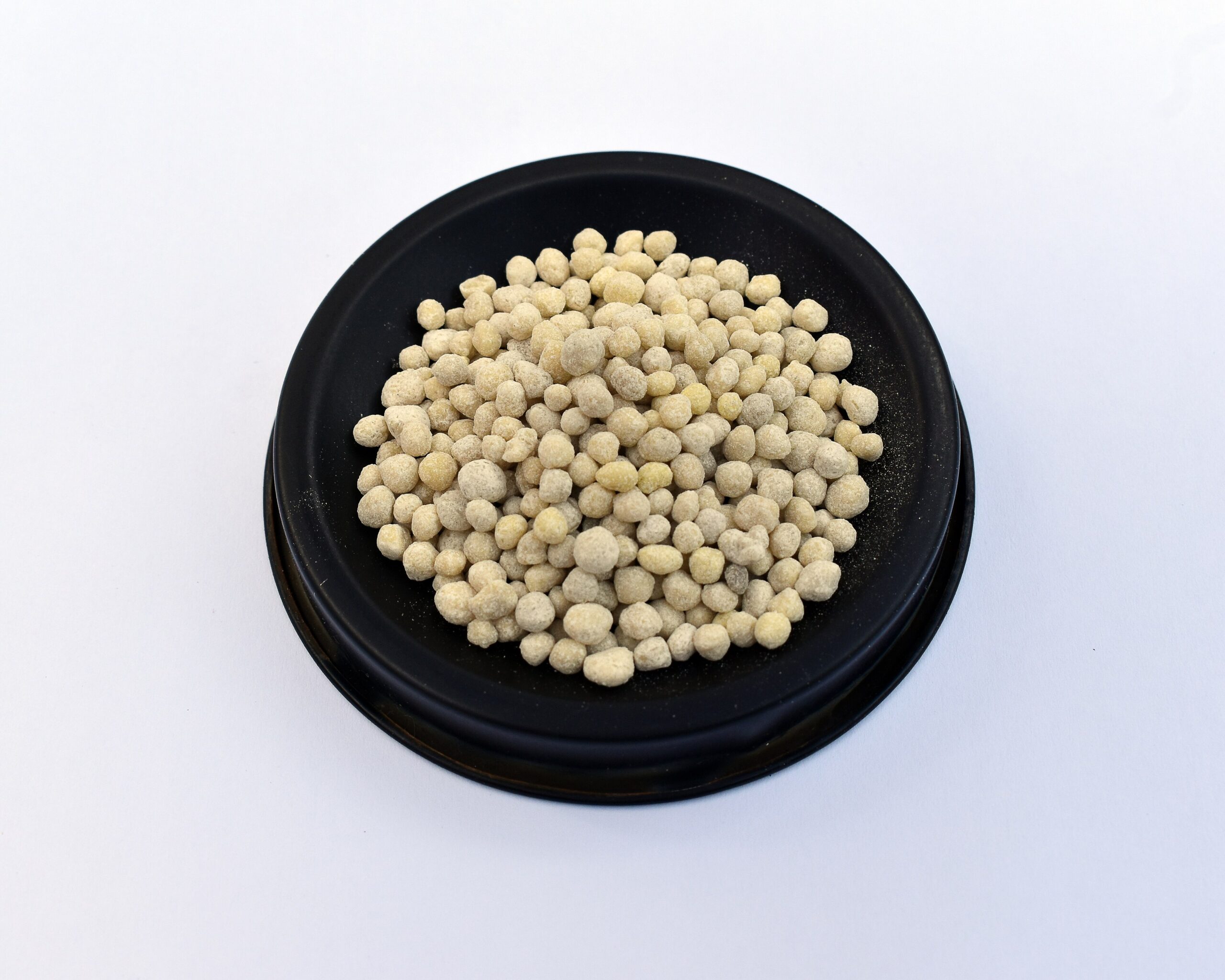
New York Homeowners Have Until Dec. 1 to Fertilize the Lawn, and Repeat Violators of the State’s Winter Ban Can Be Fined Up to $250
The window for feeding a New York lawn closes on Dec. 1. Under state law, no fertilizer of any kind can go on a lawn or non-agricultural turf from that date until April 1, and the rule covers homeowners spreading it themselves, not just lawn care companies.
The ban sits in New York’s Dishwasher Detergent and Nutrient Runoff Law, and the penalties for homeowners climb with each violation, according to the New York State Department of Environmental Conservation. A first offense brings a written warning, a second can bring a fine of up to $100, and any after that can bring a fine of up to $250.
What the Dec. 1 rule says
The wording in the statute is short. Section 17-2103 of the Environmental Conservation Law bars applying fertilizer to any lawn or non-agricultural turf “between December first and April first, annually.” That means the last legal day to spread lawn fertilizer this year is Nov. 30, and the next is April 2.
This is not a new rule. Cornell Cooperative Extension of Monroe County says the law took effect on Jan. 1, 2012, and DEC has sent out reminders about the Dec. 1 cutoff in past Novembers, including in 2016 and 2018.
The winter ban is not limited to phosphorus. A 2012 DEC statement, reported by 27 East, said lawn and turf fertilizers containing nitrogen, phosphorus or potassium cannot be applied from Dec. 1 through April 1. In other words, a bag of zero-phosphorus lawn food is still off limits in those months.
The same law sets other rules that apply all year. Fertilizer cannot go on “any impervious surface including parking lots, roadways, and sidewalks,” and anything that lands there by accident has to be cleaned up right away and either spread on turf legally or put back in a container. Fertilizer also cannot be applied within 20 feet of any surface water, unless there is a natural buffer of plants at least 10 feet wide, or the spreader has a guard, deflector shield or drop design, in which case the limit shrinks to 3 feet.
Who the fines apply to
DEC’s page lists homeowners first among the people the law covers, along with landscapers, lawn care professionals, pesticide applicators, retailers, distributors and manufacturers.
The penalties come in two tiers. For an owner, an owner’s agent or a person living in the household, it is the warning, then up to $100, then up to $250. Everyone else, which includes the companies hired to treat lawns, faces a fine of up to $500 for a first violation and up to $1,000 for later ones.
There are things the law does not touch. DEC says it does not apply to agricultural fertilizer, to fertilizer used on gardens, trees or shrubs, or to compost. A vegetable bed getting a late feeding is not the target. The lawn is.
Why phosphorus gets extra attention
The law’s other big rule is about phosphorus, the middle number on a fertilizer bag. Lawn fertilizer with phosphorus can be used only when a soil test shows the lawn needs it, or when a new lawn is being established in its first growing season. Products with 0.67% phosphate or less are not restricted.
DEC’s reasoning is about water. In a 2016 reminder about the cutoff, the department said lawn fertilizers often contain phosphorus that isn’t needed, that it washes into waterways, and that too much of it in freshwater lakes and ponds can cause heavy algae growth that harms the environment and public health. Its advice was simple: “Choose a lawn fertilizer with no phosphorus.”
Stores have to help with that choice. Cornell Cooperative Extension of Monroe County notes that retailers must display phosphorus-containing lawn fertilizers separately from phosphorus-free ones and post signs explaining the law.
Some places start earlier than Dec. 1
The state date is a floor, not a ceiling. In a DEC bulletin on the lawn fertilizer cutoff, the department pointed out that some areas have stricter local laws and gave Suffolk County as an example, where applying lawn fertilizer is barred after Nov. 1. DEC’s own summary also tells residents to check local ordinances, since some municipalities go further than the state.
New York is not alone in drawing a hard line on the calendar. Across the river, New Jersey’s lawn fertilizer blackout starts Nov. 15, and Connecticut bans phosphorus lawn fertilizer from Dec. 1 to March 15.
What extension experts say about timing anyway
For most lawns, the deadline matters less than it might seem, because fall feeding is best done well before it. Cornell Cooperative Extension of Monroe County says fall is preferred over spring. For a low-maintenance lawn, it suggests one application from mid-September to mid-October at about 1 pound of nitrogen per 1,000 square feet, using a fertilizer that is about 70% slow-release nitrogen.
Higher-maintenance lawns can be fed around Labor Day and Memorial Day, with 50% to 75% of the nitrogen going down between August and November, according to the same guidance. Cornell also suggests watering fertilizer in with a quarter to half inch of water, and warns that fall potassium may increase snow mold the next spring.
For homeowners who never got around to it this fall, the choice is now narrow. Anything that goes on the lawn has to be down by Nov. 30, kept off the driveway and sidewalk, and kept back from any pond or stream. After that, the bag stays in the garage until April.
This article was produced with AI assistance and edited for accuracy against the sources linked above.
Image: Suyash Dwivedi – CC BY-SA 4.0/Wikimedia Commons