Mary Egan, 95, Says She Has Spent More Than £1 Million Fighting Her Neighbors Over a Strip of Garden About 45 Square Meters, and the High Court Just Turned Down Her Appeal
For more than a decade, a widow in the Kent village of Sissinghurst has fought the couple next door over a narrow strip of grass, scrub and trees. Mary Egan is now 95. She says she has spent more than £1 million on lawyers, and on Nov. 16 a High Court judge turned down her latest appeal.
The ruling was reported by KentOnline and by the solicitors’ trade paper the Law Society Gazette, which noted the land in question had “extremely limited (if any) usable or other value.”
A Strip About 60 Meters Long
The disputed land runs about 60 meters along the boundary between Egan’s property and the home of businessman Neil Morgan, 65, and his wife Fiona, 61. In all, it covers roughly 45 square meters, about the size of a small bedroom or two parking spaces, according to KentOnline.
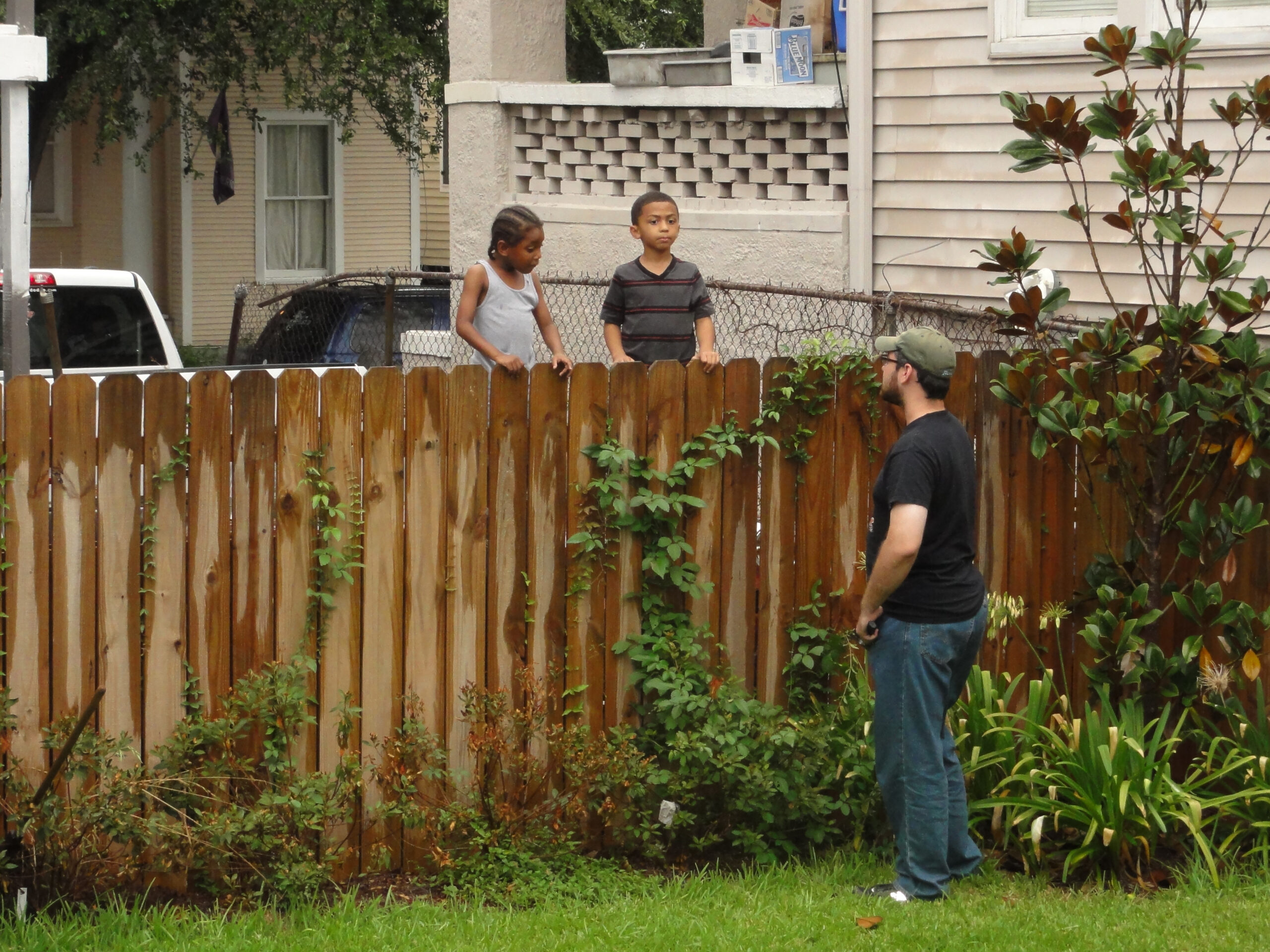
The fight began in 2015, when the Morgans cut through an existing wooden fence and put posts on what Egan said was her land. More fences followed, including a third with concrete posts installed in January 2016. By 2016 the neighbors were in court.
Fence fights that start with a few posts and end with surveyors and lawyers turn up again and again on this site, from two neighbors who feuded for a decade before a survey proved both wrong to a Missouri woman whose neighbors dug a trench onto her land. Few run this long, or cost this much.
A Win, Then a “Score Draw”
At Maidstone County Court in 2021, Recorder John Dagnall dismissed the Morgans’ claim and found they had trespassed. He awarded Egan £2,600, plus a further £3,250, and allowed the third fence to stand as the boundary, KentOnline reported.
The money question came later. In 2024 the same judge ordered each side to pay its own costs, calling the result a “score draw.” For Egan, that meant the bill she says has passed £1 million stayed hers.
She appealed. The Law Gazette reported that she wanted to replace an order covering one third of her costs from a 2017 hearing with a far broader order on what is known as the indemnity basis, a more generous way of recovering legal fees.
What the High Court Decided
Mr Justice Tappin dismissed the appeal. He rejected the argument that the trial judge was wrong to call the case a score draw, saying he did not consider that either party “can be said to have been successful or unsuccessful.”
He did not let the Morgans off lightly. According to KentOnline, he described the couple’s language toward lawyers and judges as “deplorable and unacceptable.” But he found the trial judge had been best placed to weigh that conduct, and that it did not make the costs ruling wrong.
The Morgans, who largely represented themselves, have also spent a six-figure sum, according to the Gazette. The judge quoted a familiar line about cases like this one: boundary disputes “are often said to result in an expenditure of time, cost and energy wholly out of proportion” to what is at stake.
Why Small Boundary Fights Get So Expensive
Boundary cases often hinge on old deeds, fences that moved over the years and surveys that disagree. Even who owns a fence can be a legal question of its own, as an Estates Gazette legal analysis on shared boundary fences explains.
In the United States, cities generally stay out of these fights. Seattle’s building department, for example, tells residents that property line disputes are civil matters to be settled between neighbors, with a licensed surveyor and, if needed, the courts. Guides such as FindLaw’s say the same about the trees and plants that grow along those lines.
For Mary Egan, the line was settled in 2021. The bill is what is left, and after the High Court’s decision, it remains hers.
This article was produced with AI assistance and edited for accuracy against the sources linked above.