The Kids Across the Street Drove Monster Trucks Through a Homeowner’s Rain-Soaked Lawn and Landed Drones on the Roof, and Their Father Rolled His Eyes
After seven days of heavy rain, the homeowner’s lawn was soft enough to take a print. The children from the house across the street found that out with their large remote-controlled monster trucks, which left ruts in the grass.
That was not the end of it. The same kids had been flying drones near the house and landing them on its aging roof, and when the homeowner went to their father, he reportedly rolled his eyes and told them to go away, according to The Thrifty Apartment, which reported the story on Nov. 13.
A Yard That Became a Track
The trouble began earlier in the year, when the neighbors’ children started treating the homeowner’s property as a place to play. It went past a ball rolling into the wrong yard. The kids came back repeatedly, and when the homeowner confronted them and left, they returned within minutes.
The monster trucks were the most visible damage. A soaked lawn is easy to tear up, and the ruts stayed behind after the trucks went home.
The family’s large dog added to the worry. The homeowner described it as aggressive and said it had come onto the property more than once. During a pest control visit to remove a yellowjacket nest, the neighbors allegedly let their children wander toward the area despite warnings.
Drones on an Old Roof
The drones raised a different kind of concern. The children flew them close to the house and then began landing them on the roof and taking off again, over and over. The homeowner said the roof is aging. About 30 minutes after one confrontation, the drone was back near the house.
Federal rules for recreational flyers are simple on paper. The FAA says drone pilots must fly below 400 feet, keep the drone in sight, avoid other aircraft, and avoid causing a hazard to any people or property. Recreational flying falls under a federal law, 49 U.S.C. § 44809, and about 35 states have added drone privacy laws covering surveillance of people on private property, according to PolicyRisk’s overview. In many of those states, the remedies for a drone hovering over a home are mainly state-level.
The Thrifty Apartment noted that flying over a property is not automatically trespassing. Repeatedly landing on someone’s roof, though, could raise safety and property damage questions.
Cameras and a Sign
The homeowner installed a security camera, which captured numerous unauthorized entries. Then came a No Trespassing sign placed across from the neighbors’ driveway, warning that the property was under “24-hour surveillance.”
Signs can carry legal weight. Nolo’s editors explain that a posted “No Trespassing” sign or a fence is one of the ways an owner gives notice, in states where criminal trespassing requires it, and that a trespasser can face civil liability on top of any criminal charge. In civil law, FindLaw lists kids constantly cutting through a yard among common examples of trespass to land.
What Readers Told the Homeowner
The advice was practical. Save the camera footage and keep a record of every incident. Contact local police. Consider a fence or another physical barrier. Document any drone contact with the roof and report unsafe flying to the FAA.
Commenters disagreed on how far the law reaches when it comes to drones over a house. The lawn was a simpler matter, since the trucks had physically crossed onto the grass. Other yard owners have had to escalate in similar ways, including the woman whose neighbor kept driving over her grass.
As of the report, the homeowner was waiting to see how the family across the street responded to the sign.
This article was produced with AI assistance and edited for accuracy against the sources linked above.
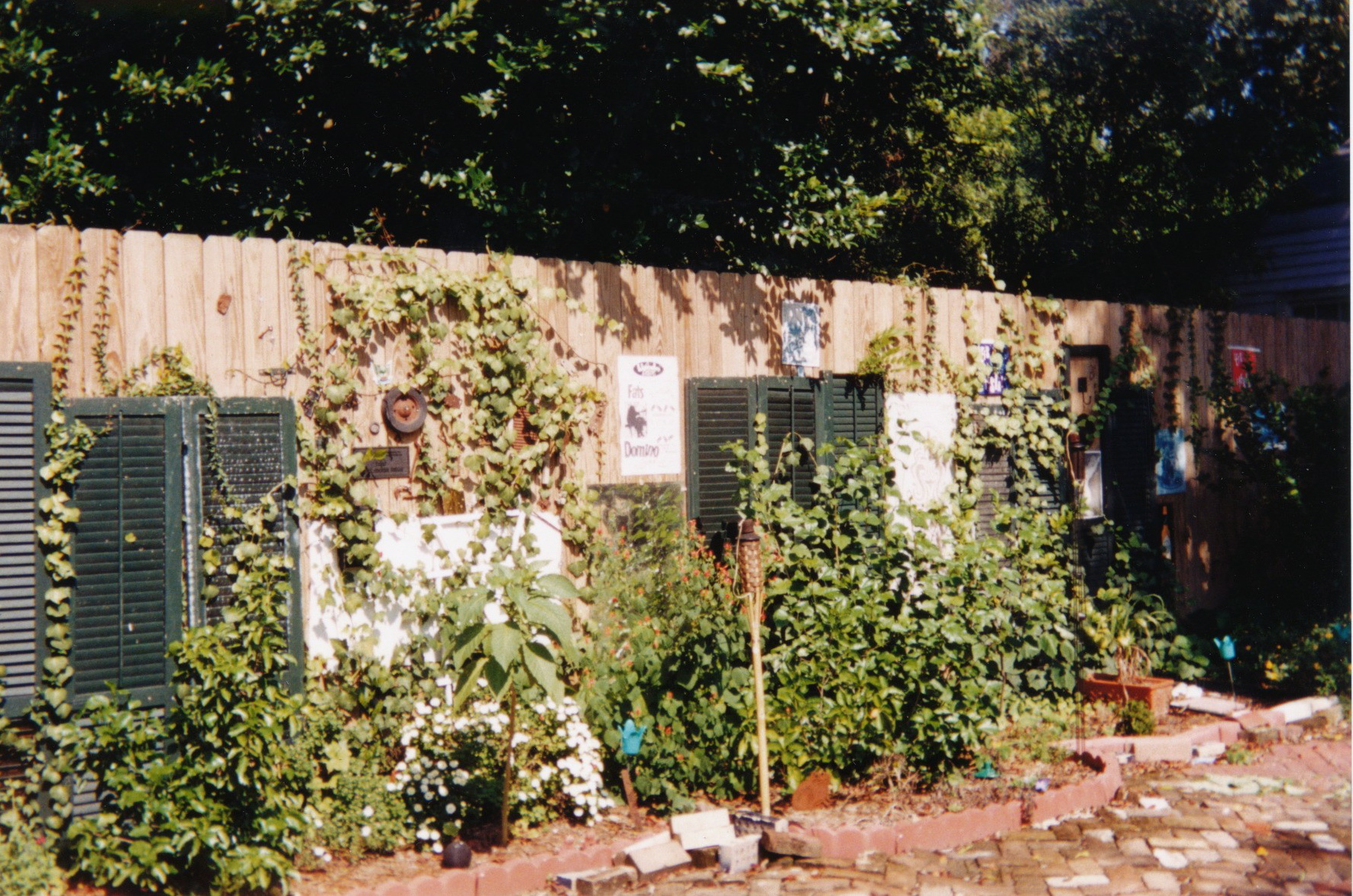
Image: Infrogmation – CC BY 2.0/Wikimedia Commons