Hydrilla, an Aquatic Weed That Grows at Least an Inch a Day, Has Turned Up in Private Jackson County Ponds in Oregon’s First Detection
A submerged water plant with saw-toothed leaves, once sold to brighten home aquariums, has been confirmed in Oregon for the first time. The Oregon Department of Agriculture found Hydrilla verticillata in private ponds in Jackson County, in the Rogue Valley.
Oregon rates it as a high-priority weed, and the reason is speed. Samuel Chan, an Oregon State University watershed health expert who serves on the Oregon Invasive Species Council, told OPB that hydrilla “grows at least 1 inch a day,” and can regrow from small fragments or dormant buds.
A first for Oregon, caught in small ponds
ODA announced the find on Oct. 27. The Oregon Invasive Species Council reported the next day that it was the state’s first detection, on private property in Jackson County, and said the department is working with the landowner to assess how far the infestation reaches and to plan restoration.
According to the Rogue Valley Times, the plant was spotted by an aquatic vegetation management professional who was in the area working on other species. Troy Abercrombie, who manages ODA’s noxious weed program, said the first report came in about three weeks before the announcement, and the identification was confirmed the week before it went public.
So far, hydrilla has not turned up in other nearby bodies of water, and the ponds are not meaningfully connected to other waterways, Abercrombie told the paper. He said waterfowl were the most likely way it arrived, since birds commonly carry the plant from place to place.
Abercrombie told OPB the situation is close to a best case, because the weed was caught early and is limited to small ponds. He also called hydrilla “widely regarded as the worst invasive weed in the world,” and one of very few plants on the federal noxious weed list.
Why one plant gets a high-priority response
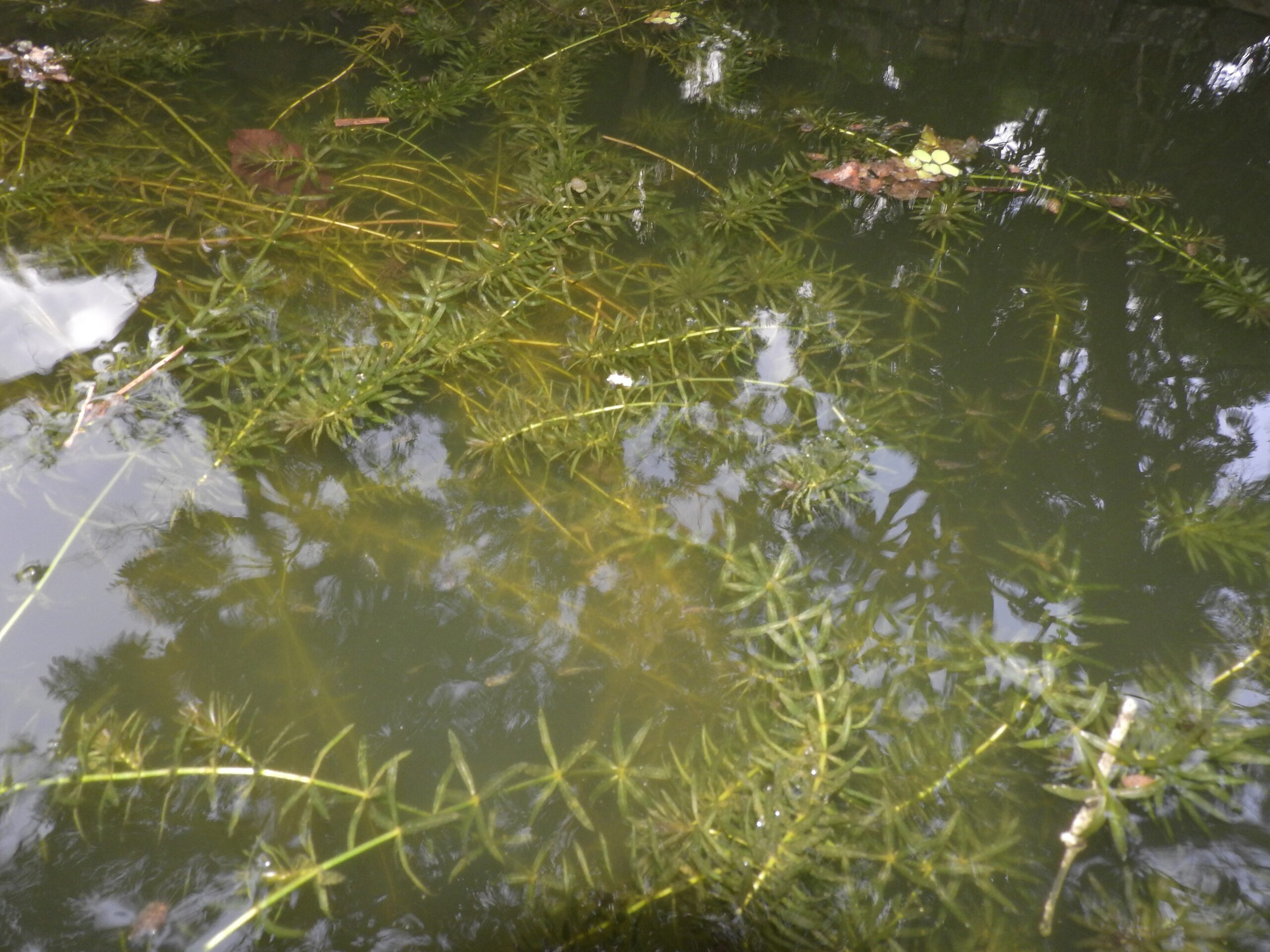
Hydrilla is native to tropical parts of Asia, Africa and Australia, and it is sometimes called water thyme. It forms long, thin branches that knit into dense mats at the surface. Those mats can make a pond or slow river nearly impossible to swim or boat through, block the movement of aquatic life, and in some cases slow water enough that soil and organic matter build up, OPB reported.
It is listed on both the Oregon Noxious Weed List and the federal noxious weed list. Oregon gives it an A rating, the category for weeds that are not yet widespread and can still be targeted for eradication. The invasive species council said that if hydrilla becomes established, it “could significantly threaten Oregon’s aquatic resources and irrigation infrastructure.”
The Rogue Valley Times listed the problems seen elsewhere: clogged irrigation ditches and intake pipes, lost fish and wildlife habitat, stagnant water that breeds mosquitoes, and trouble for swimming, boating, fishing and water skiing.
Abercrombie told the paper that if the state does not get ahead of hydrilla quickly, it faces a very long and expensive battle. He called it “one of those super weeds” because it has several ways to survive into the next generation.
From aquarium plant to a national problem
The council says hydrilla reached the United States through the aquarium trade and spread after it was released into waterways. OPB noted that its bright green color and graceful stems made it popular as an aquarium ornamental. It now grows from Connecticut to Florida, across the central states, west to Texas and along the Pacific coast, according to the council.
Florida shows what a long fight looks like. ODA is consulting with experts there, and OPB reported that Florida has spent hundreds of millions of dollars over the past decade managing the weed.
Part of what makes it so hard to beat lies underground. Chan explained that herbicides can kill the green, growing part of the plant, but dormant structures called turions and tubers stay in the pond sediment and can sprout the following season. That is why eradication takes years of watching after the first treatment.
What ODA is doing now
The Rogue Valley Times laid out the state’s plan. ODA intends to treat the affected ponds with herbicide, survey nearby waterways including the Rogue River, and map backchannels and slow-moving water where hydrilla tends to settle. The department also plans to inspect nursery products and run outreach so land managers and the public can recognize the plant.
The nursery inspections matter for anyone who buys plants for a backyard pond or water garden, because the plant’s history runs through the ornamental trade. Chan told OPB that even small fragments can grow into new plants, and the Rogue Valley Times reported that pieces of stem and root tubers can each start a new one.
What pond owners in Oregon can do
ODA is asking anyone who suspects hydrilla in a pond, ditch or slow stretch of water to report it through the Oregon Invasive Species Hotline, with clear photographs. The Noxious Weed Control Program can be reached at 503-983-4065 for more information.
Signs to watch for, based on the descriptions from OPB and the council, include a submerged plant with saw-toothed leaves along long, thin stems that quickly forms thick mats near the surface. The department has said it will post updates as it learns more about how far the Jackson County infestation reaches.
For now, the find is limited to private ponds on one property. Whether it stays that way depends on how quickly the herbicide work and the river surveys can confirm the weed has gone no farther.
This article was produced with AI assistance and edited for accuracy against the sources linked above.
Image: Yercaud-elango – CC BY-SA 4.0/Wikimedia Commons