The Ground in Front of Bradley Stepp’s Coplay Home Collapsed. He Had Sinkhole Coverage, and His Insurer Still Denied the Claim.
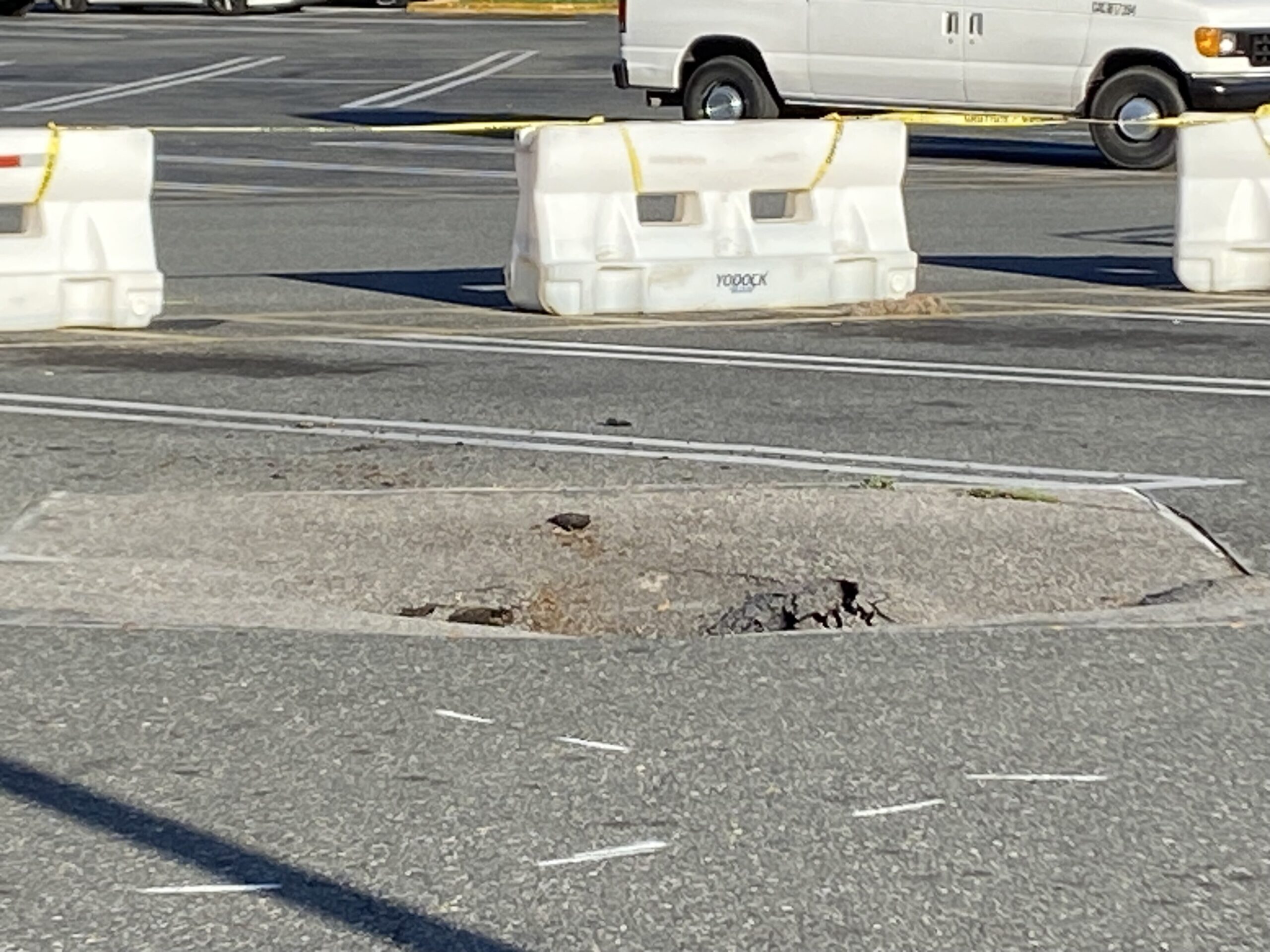
Bradley Stepp was relaxing in front of his twin home in Coplay, Pennsylvania, on the evening of Oct. 25 when, as he put it, “the yard just kind of disappeared.” The ground outside the house gave way, and water began rushing toward his home.
Stepp carried sinkhole coverage on his homeowners policy. His insurer, Grange Insurance, still denied the claim, telling him the hole did not fit the policy’s definition of a sinkhole, 69 News at WFMZ reported.
A Water Main Break on South Fourth Street
The collapse happened on South Fourth Street in Coplay, a small borough in Lehigh County. A water main break that started on a Sunday night grew into a sinkhole, and two families were forced out of the twin home, WFMZ reported on Oct. 28. Crews arrived around 5 p.m., a structural engineer looked at the damage, and workers hauled in equipment and heavy stone to fill the hole.
Neighbors told the station a water main on the same street had broken about eight to 10 months earlier. Lifelong resident Betsy Oleschak said the hole worried her “tremendously” and called the situation scary, since nobody on the street could be sure what lay under their homes.
Four Inches of Water in the Basement
Water and mud poured into the Stepp home, leaving about four inches of standing water across the entire basement, he told WFMZ.
He cut several inches off the bottom of the drywall and pulled up the linoleum floors, working fast to keep mold from setting in, The Cool Down reported in its write-up of the station’s story.
Why the Sinkhole Policy Didn’t Pay
The denial turned on what caused the hole. The insurer tied the washout to a broken water main, which falls outside coverage meant for naturally occurring limestone erosion. Stepp summed up the distinction himself: “A sinkhole is a naturally occurring limestone deposit that erodes over time.”
Pennsylvania’s geologists describe that natural process in detail. Sinkholes are “a definitive part of Pennsylvania’s landscape known as karst,” forming where weak natural acid dissolves carbonate bedrock such as limestone and dolostone, according to the state Department of Conservation and Natural Resources’ sinkhole page. The agency adds that formation “can be accelerated by human activities” and recommends that municipalities “maintain and regularly inspect water-bearing utility lines.”
DCNR’s geologic hazards overview notes that sinkholes are most common in areas underlain by limestone and can damage roads and buildings and disrupt utility services. Among its advice for property owners: learn the property’s history and local geology, and maintain sinkhole insurance. Stepp’s case shows how a claim can still hinge on the cause.
The Water Authority Said No Help Was Available
Stepp said he asked the Northampton Borough Municipal Authority, which runs the water system, whether it had a claims department or any financial help. He said he was told none was available. The authority did not respond to WFMZ’s request for comment, citing the Veterans Day holiday.
Under Pennsylvania’s Political Subdivision Tort Claims Act, municipalities are protected unless a homeowner can prove government negligence caused the damage, and a claim must be filed within six months, the station reported.
Stepp told WFMZ the family is out of money and has no way to pay a lawyer on top of the repairs. He has started an online fundraiser and is looking for a lawyer willing to work pro bono. He said he wants to be “the voice for the future people that have to deal with this.”
Yards giving way under homeowners has become a familiar story on this site, from a Phoenix man trapped in a backyard sinkhole to an Orlando townhome sinkhole where the HOA said repairs fall on the owners.
This article was produced with AI assistance and edited for accuracy against the sources linked above.