A Musselburgh Couple Said the 17 Trees and Shrubs Along Their Garden Boundary Were Not a Hedge. A Scottish Government Reporter Ruled It Is One and Must Be Cut to 2.5 Metres.
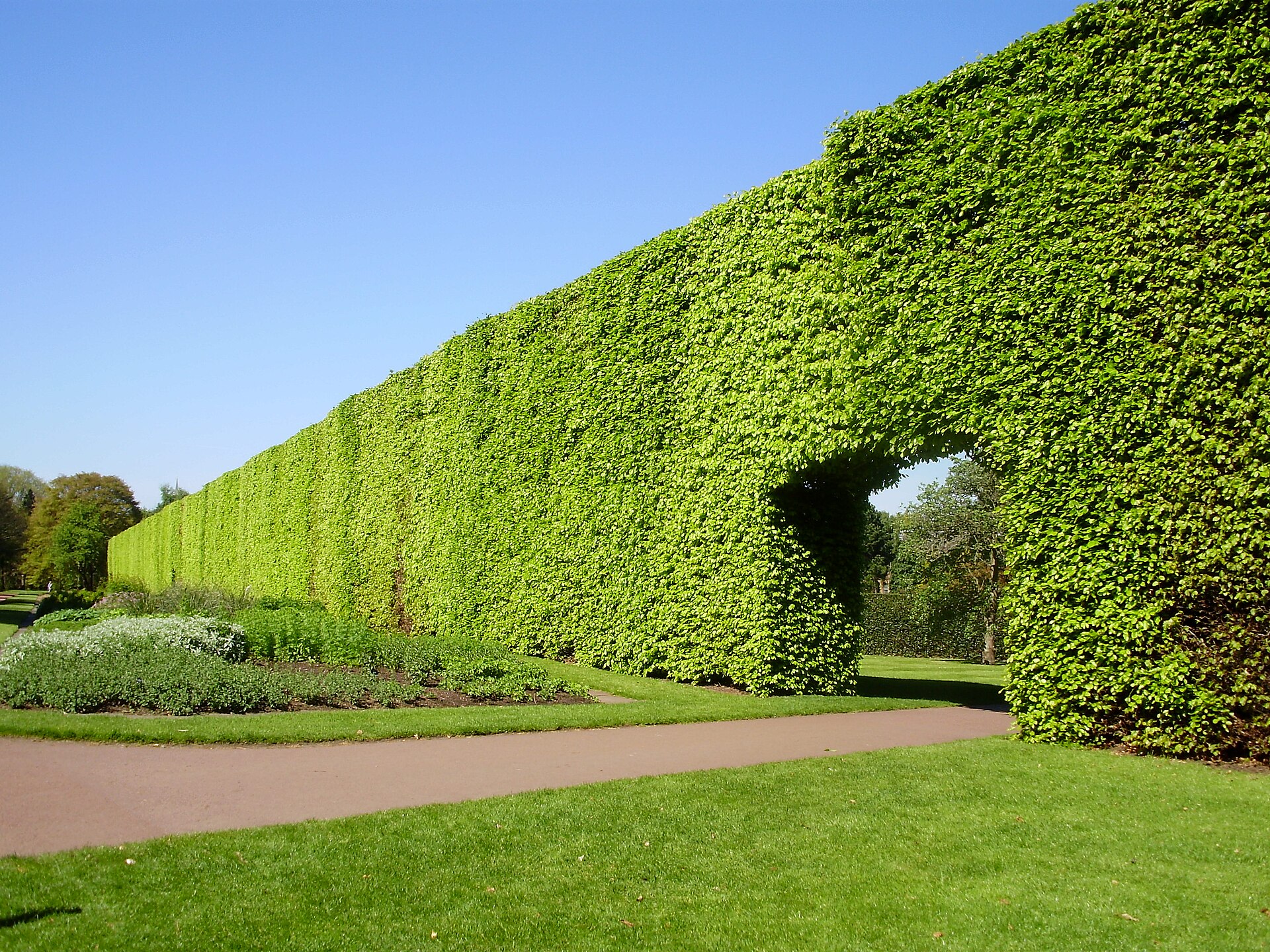
For years, a line of trees, shrubs and ivy has grown along the boundary wall of Professor Angus Macdonald and Dr Patricia Macdonald’s garden at Ashgrove, inside the Musselburgh Conservation Area east of Edinburgh. Their neighbours say it blocked out the sky. Now a Scottish Government reporter has agreed with them, and the planting must come down to 2.5 metres.
The couple fought the order on an unusual point: they said the planting was never a hedge in the first place. The reporter rejected that argument after a visit to both gardens.
Debris, Overhanging Branches and a Blocked Sky
The dispute began when the neighbours complained to East Lothian Council. According to STV News, which carried the Local Democracy Reporting Service account on Nov. 18, the neighbours said the boundary plants overhung their property, dropped “tree and berry debris” and blocked out the sky.
The council agreed there was a problem and issued a high hedge notice, the formal order Scottish councils use to make an owner cut back a hedge that is spoiling a neighbour’s home. The neighbours were not named in the report.
The Macdonalds appealed to Scottish Ministers. Their case rested on a description. The plants on their side of the wall, they argued, were a mix of 17 closely planted trees and shrubs, not a hedge at all.
Why 17 Trees and Shrubs Still Counted as a Hedge
Scotland’s rules on overgrown boundaries come from the High Hedges (Scotland) Act 2013. Under the Act, a high hedge does not have to look like a neat privet row. Section 1 of the law sets out the test: a hedge “formed wholly or mainly by a row of 2 or more trees or shrubs” that “rises to a height of more than 2 metres above ground level” and “forms a barrier to light.”
That definition is wide. A row of mixed trees and shrubs can meet it, as long as the plants stand together as a line and cut off light. Gaps can change the answer, but only if they significantly reduce the barrier above 2 metres.
The reporter who took the Macdonalds’ appeal visited the gardens and applied that test. The reporter wrote of being satisfied that the shrubs and trees are “a high hedge, which acts as a barrier to light,” according to STV. The reporter also found that the hedge “prevents the reasonable enjoyment of the neighbouring property.”
More Than 50 Bird Species, the Couple Said
The Macdonalds did not argue only about definitions. They also made the case that the planting mattered to the area.
The trees and ivy, they said, made a “significant contribution” to the visual amenity of the conservation area. They pointed to shelter, cleaner air and cooling during heatwaves. They also said the planting supports wildlife, including more than 50 species of birds and more than 10 species of butterflies.
Those benefits did not outweigh the effect on the house next door. The ruling upheld the council’s decision and kept the height limit in place.
Cut to 2.5 Metres, With Two Trees Spared
The hedge must now be cut to, and kept at, a maximum height of 2.5 metres. That second part matters. Under section 8 of the Act, a notice sets out the “initial action” an owner must take and can add “preventative action” on top, so the hedge cannot simply be trimmed once and left to shoot back up.
The order is not total. An ash and a willow at either end of the boundary wall were left out of the required work, because the reporter found they did not need trimming.
The reporter also gave the couple more time. The compliance deadline was extended so the cutting can be done outside bird nesting season, which protects the very birds the Macdonalds had raised in their appeal. STV did not report the exact new date.
How the Appeal Reached a Government Reporter
Cases like this one go to the Planning and Environmental Appeals Division, known as the DPEA, which handles appeals for Scottish Ministers. Its public case search lists high hedge appeals by council area alongside planning appeals.
The timeline is tight. Under section 12 of the Act, both the hedge owner and the neighbour who complained can appeal to Scottish Ministers, and the appeal must be made within 28 days of the council’s notification. If an owner then ignores a notice, the Act gives the council power to do the work itself and recover the costs from the owner of the land.
High hedge appeals come up often enough that the government keeps records on them. In July, the Scottish Government published a list of every high hedge decision issued by DPEA reporters, in response to an environmental information request.
Rows like this one are common wherever gardens sit close together and plants are left to grow. In northern England, Bolton Council recently opened a high hedge investigation into a 10ft row of evergreens that one neighbour says blocks his view of Hulton Park. Disputes over sunlight can start with smaller trees too, as when a new neighbour wanted six-metre trees removed for more afternoon sun.
In Musselburgh, the outcome is now settled. The ash and the willow can stay. Everything else along the Macdonalds’ wall has to come down to 2.5 metres once the birds have finished nesting.
This article was produced with AI assistance and edited for accuracy against the sources linked above.
Image: Adam D Hope – CC BY-SA 2.0/Wikimedia Commons