Jacksonville’s Free to Garden Bill Would Let Community Gardens Skip Lengthy Zoning Approvals, and Growers Want 70 Market Days a Year Instead of 12
For years, Jacksonville growers trying to run a neighborhood garden or sell what they raise have worked in a gray zone, where the city could not clearly say yes or no. A bill now moving through City Council would write community gardens and market gardens into the zoning code as permitted uses in a range of districts.
Supporters call it the Free to Garden Act, and they say it would give neighborhood gardens a path to operate without lengthy zoning approval processes. They are also pushing for two changes before it passes, starting with a jump in public market days from 12 a year to 70.
What Ordinance 2026-807 would change
The bill is Ordinance 2026-807, an urban agriculture measure that amends several sections of the city’s zoning code. Council members Jimmy Peluso and Raul Arias introduced it on Oct. 13, and Ju’Coby Pittman is also listed as a sponsor. The proposal now goes by the name Pathways to Urban Agriculture.
According to News4JAX, the ordinance would define “community gardens” and “market gardens,” list the residential and commercial zoning districts where each is allowed, and set standards for structures, size and on-site sales. The draft allows market gardens 12 public sales days a year.
The council’s legislative record shows the bill has been referred to three committees: Land Use and Zoning; Neighborhoods, Community Services, Public Health and Safety; and Rules. It was read a second time on Oct. 27, deferred in committee in early November, and given an additional public hearing at the Nov. 10 council meeting. It appears on the Rules Committee agenda for Nov. 16.
Why 12 market days is the sticking point
Nathan Ballentine of Overalls Farm has been one of the loudest voices for the bill. His Springfield plot, Overalls Farm 3, is one of several small urban sites in his operation, and he told News4JAX it has the capacity to serve about 200 families as it is currently growing.
Ballentine described years of uncertainty when he asked the city whether he could sell produce. City staff, he said, told him they could not say it was allowed, but could not say it was banned either.
Advocates say a 12-day cap would limit more than sales. Ballentine and others told News4JAX it could also restrict the workshops and neighborhood gatherings tied to small farms. According to First Coast News, they want the limit raised to 70 days a year, enough for a weekly market plus monthly workshops or dinners. They also want market gardens allowed to sell produce from other Duval County growers, a practice called cross-selling.
More than 20 people spoke at a recent council hearing in support of the measure and the changes, First Coast News reported. Ruth Thompson of the Murray Hill Farmers Market told council members the bill would support food security across the city and urged them to vote for it.
A sponsor who wants to start small
Arias has said he expects amendments. “Gardening is a small business,” he told News4JAX. “They just can’t sell.” At the same time, he wants the city to come in lightly, see how the rules work, and expand them if they do.
Arias has been holding meetings on the idea since summer. His office posted a public notice for an Aug. 19 meeting at City Hall to review the Free to Garden Act with anyone who wanted to attend, including the mayor’s staff.
What Florida law already protects
Home vegetable gardens themselves are not the fight. Since 2019, Florida Statute 604.71 has said a local government “may not regulate vegetable gardens on residential properties,” and that any local ordinance doing so is void and unenforceable. The law defines a vegetable garden as a plot where herbs, fruits, flowers or vegetables are grown for people to eat.
What the state law does not settle is selling, sharing on a larger scale, or gardens run by a group on land that is not someone’s own yard. That is where the local push began. When residents first lined up at council this summer, News4JAX reported that the city said no local policy violated the state statute and that anyone could grow food by right. But residential zoning did not allow selling food grown on site, while commercial zoning did, and the city said it was drafting legislation to address that.
At that meeting, Roxy McCloud of Common Ground Garden spoke in support. Curtis White said community gardens improve public health and neighborhoods and widen access to free, healthy food. James Weston said a recent cyclospora outbreak had made him pay closer attention to where his food comes from, and called for vacant lots to become community food space.
Jacksonville is far from the only place where growers and city codes are still working out the edges. Lovely Garden Roots has covered a Providence gardener cited under a weeds code for her native plant yard, and families turning empty lots into community gardens while cities sort out the rules. The Jacksonville bill is an attempt to answer those questions in the zoning code before they turn into disputes.
What happens next
The bill remains in committee. First Coast News reported that another public hearing is expected at the Nov. 24 City Council meeting, after which the proposal continues through the committee process before any final vote.
The push itself is years old. News4JAX traced it to the Duval Food Policy Council and an urban agriculture working group. For the growers who have spent that time unsure whether a produce table was allowed, the question now is how much room the final version gives them: 12 market days, 70, or something in between.
This article was produced with AI assistance and edited for accuracy against the sources linked above.
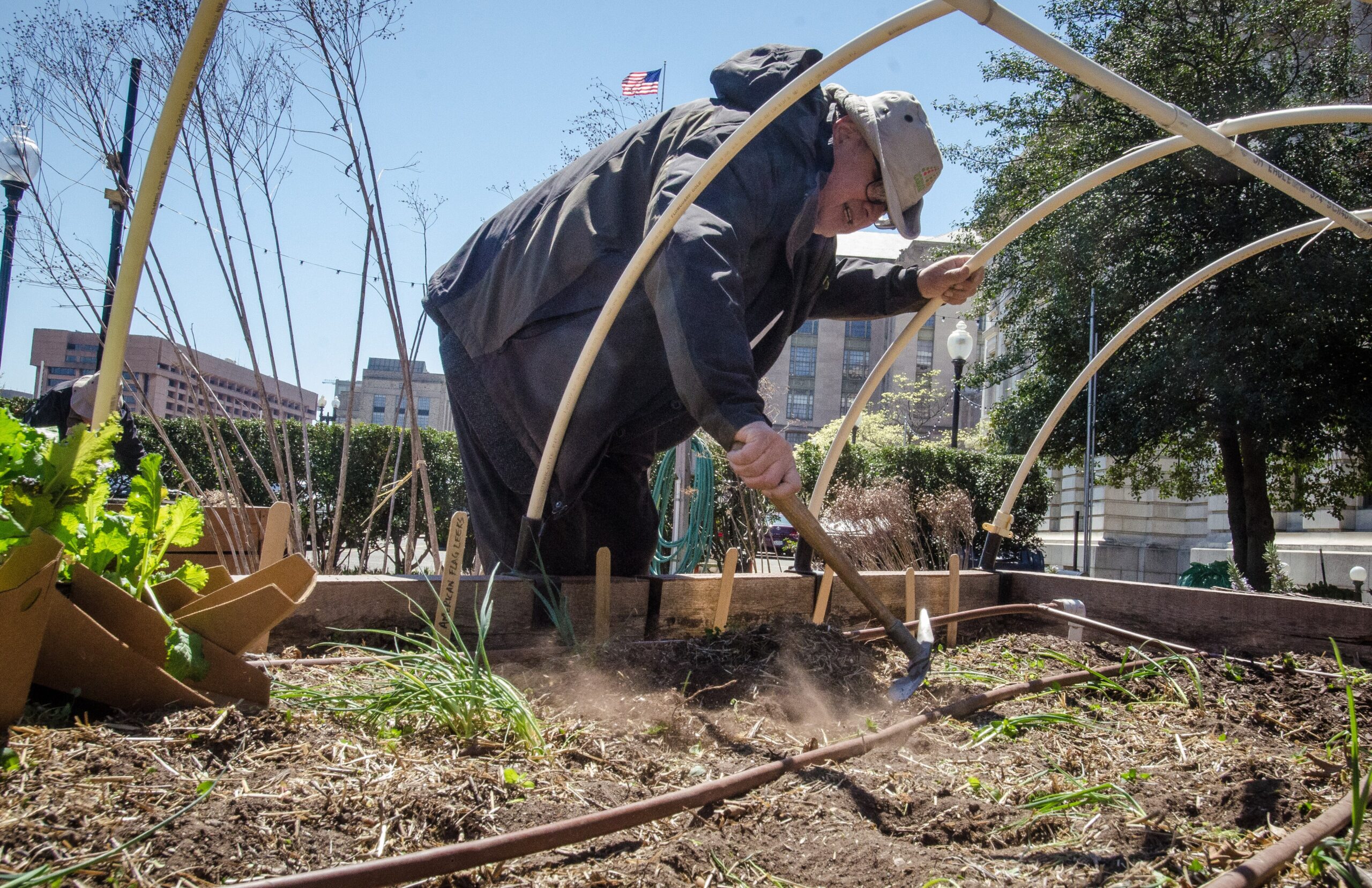
Image: USDAgov – Public domain/Wikimedia Commons