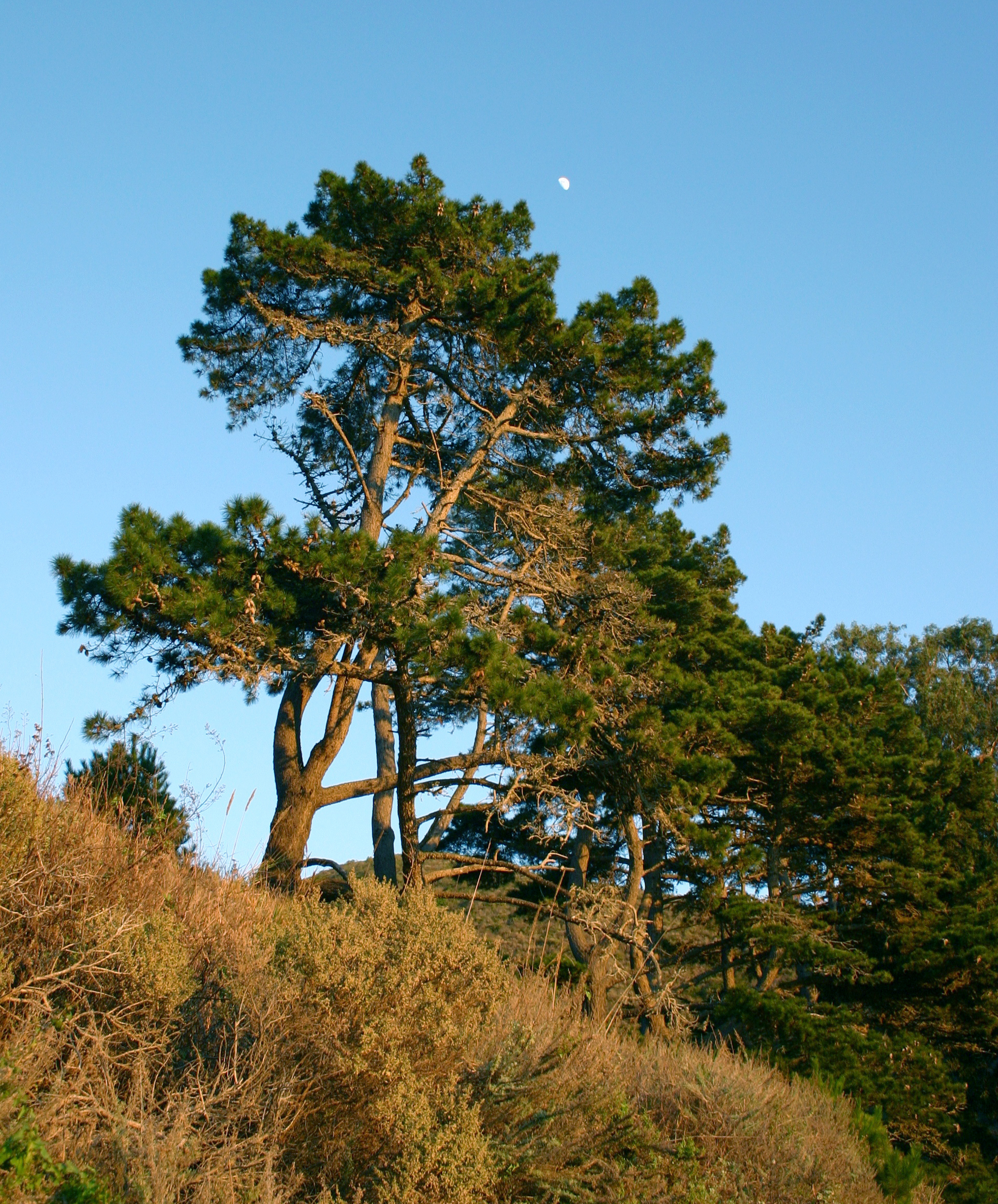
Eureka Landlord Kelly Martin Cut Down Old Town’s Biggest Tree, a 60-Year-Old Monterey Pine, After City Notices Over the Sidewalk Its Roots Were Lifting
“It started lifting up the sidewalk, becoming unsafe,” Kelly Martin said of the Monterey pine that stood at a Third Street corner in Eureka, California. The property owner and landlord has now taken the tree down himself, with family and friends, after the city’s code enforcement division told him the broken sidewalk beside it had to be dealt with.
Martin estimated the pine was about 60 years old and called it the largest tree left in Eureka’s Old Town, Lost Coast Outpost reported on Nov. 10. Its roots had cracked the cement and pushed it up into large, jagged slabs. The Outpost spoke with Martin on Monday afternoon, Nov. 9.
A notice years ago, and another one recently
The problem was not new. Eureka’s Code Enforcement Division first told Martin years ago that the sidewalk needed attention, according to the Outpost’s Ryan Burns. Recently the city sent another notice saying the hazard had to be addressed.
Martin did not go straight to the chainsaw. He said he consulted an engineer to look for a way to fix the sidewalk and keep the tree, but no alternative turned up. With no workable option, he decided the pine had to come down.
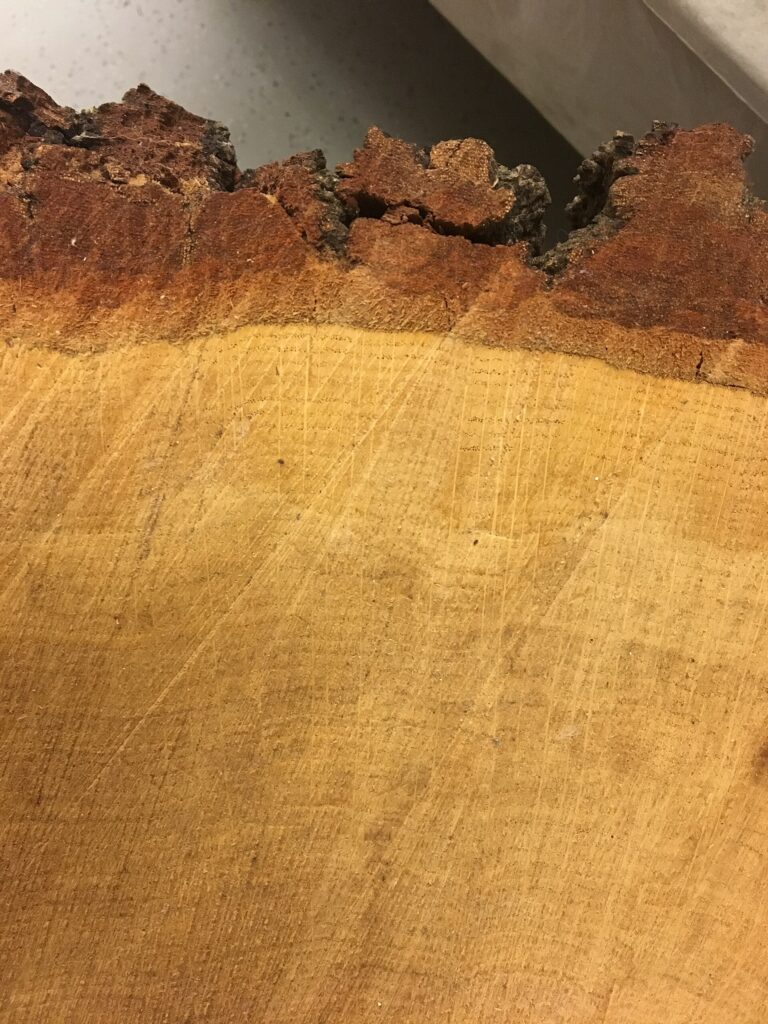
He did the job without a tree company. Martin’s crew included Eric Shots, a 70-year-old friend from high school whom Martin called “the best in the country” at topping trees. The Outpost’s photos showed the felled trunk in sections, with one caption asking readers whether they could count the rings.
The fix does not end with the stump. Martin said he now has to rebuild the sidewalk too. He also plans to repair the green house behind the tree, which had fallen into disrepair and which he said was recently occupied by squatters who broke windows. Martin’s family has lived in Humboldt County for five generations.
Why the city kept pressing
Eureka’s City Manager, Miles Slattery, told the Outpost that the lifted sidewalk was a liability for the city. He said Eureka has had more trip-and-fall uplift claims this year than in his 20 years working there, and he linked the rise to artificial intelligence making it easier for out-of-town law firms to file those claims.
Slattery said that if the city does not follow up on hazards like that, it “extends” the city’s liability.
Residents can report problems in the city through Eureka’s Report a Concern page, and the rules that govern property maintenance sit in the Eureka Municipal Code. In Martin’s case, the notices ended with the owner taking down his own tree.
The same fight over roots and sidewalks, in other towns
Sidewalks and big trees collide in a lot of places, and the outcome depends heavily on who owns the tree and what the city decides.
In Gretna, Nebraska, the city removed an estimated 100-foot oak that stood between the curb and the sidewalk in October after an arborist and the city tree board found it diseased and dying, WOWT reported. Under city code, the $3,500 bill went to the adjacent homeowners. “If the city thinks it’s a problem, they need to take care of it and pay for it, not put it on the homeowners,” said Kati Dukat, who spoke for her parents.
In Magna, Utah, the Greater Salt Lake Municipal Services District removed a large front-yard tree belonging to Sabrina Weber after an arborist report said it had grown into the right of way, was blocking a streetlight and was lifting the sidewalk, KUTV reported. Weber disputed that the whole tree needed to go, and the city said it did not plan to replace removed trees. Lovely Garden Roots covered Magna’s refusal to replace Weber’s tree earlier this fall. In that project, the district’s arborist assessed more than 80 trees in older parts of Magna, trimming some and recommending others for removal, and the city funded the work without charging property owners.
A tree’s roots can also cost a homeowner when the city owns the tree. In Wausau, Wisconsin, a city committee voted 4-0 in October to uphold a flat $550 fee against a homeowner whose contractor damaged the roots of a city-owned linden while digging a drainage trench, the Wausau Pilot & Review reported.
And in Claremont, California, the opposite happened. Richard and Carol Suter asked the city to remove a nearly 60-foot Canary Island pine about 29 feet from their house, but the City Council voted 4-1 in April to deny their appeal after a city assessment found the tree “healthy, stable, free from any pests, disease or structural deficiencies,” the Claremont Courier reported. The city valued that tree at about $14,740.
Roots under pavement can also turn into lawsuits. In Palo Alto, a building owner sued the city for nearly $324,000, saying a city street tree’s roots flooded its basement.
What Old Town lost, and what comes next
What happened on Third Street came down to a single owner, a single old pine and a sidewalk that the city considered a growing legal risk. Martin said he looked for another way and did not find one.
Now the pine is down. The sidewalk is next on Martin’s list, followed by the house behind it.
For property owners in Eureka and other cities, the episode is a reminder that a sidewalk notice can end up being a notice about a tree. When roots are what lifted the concrete, a sidewalk repair can mean losing the tree that caused the damage, even one that has stood for about 60 years.
This article was produced with AI assistance and edited for accuracy against the sources linked above.
Image: dalvenjah on Flickr – CC BY-SA 2.0/Wikimedia Commons