A Large Tree Vanished From Cindy Maestas’ Parents’ Empty Rose Park Yard While the Home Was for Sale, and Utah Officials Say It Could Have Been a Check Scam
Cindy Maestas was driving past her parents’ house in Salt Lake City’s Rose Park neighborhood, empty and listed for sale, when she noticed something missing from the front yard. One of its huge trees had seemingly vanished, she told KUTV 2News in a report that also ran on sister station KMYU. Months later, Maestas still does not know who took it down, and the head of Utah’s consumer protection office says the job may have been part of a check overpayment scam.
A drive past the empty house in Rose Park
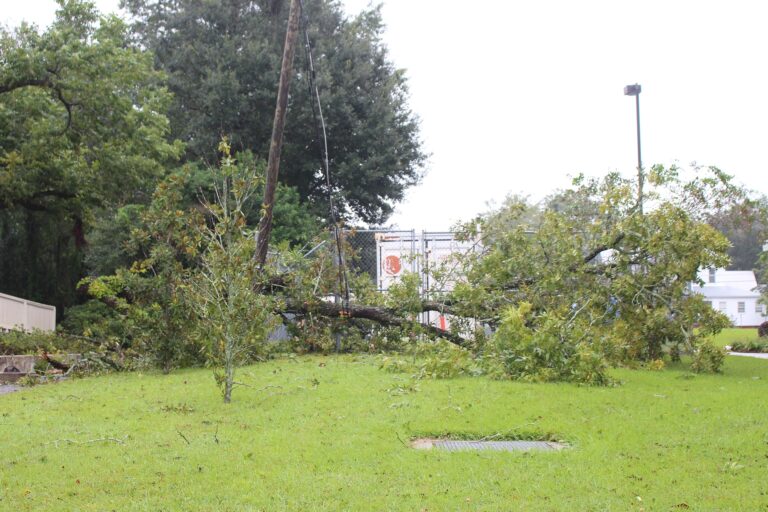
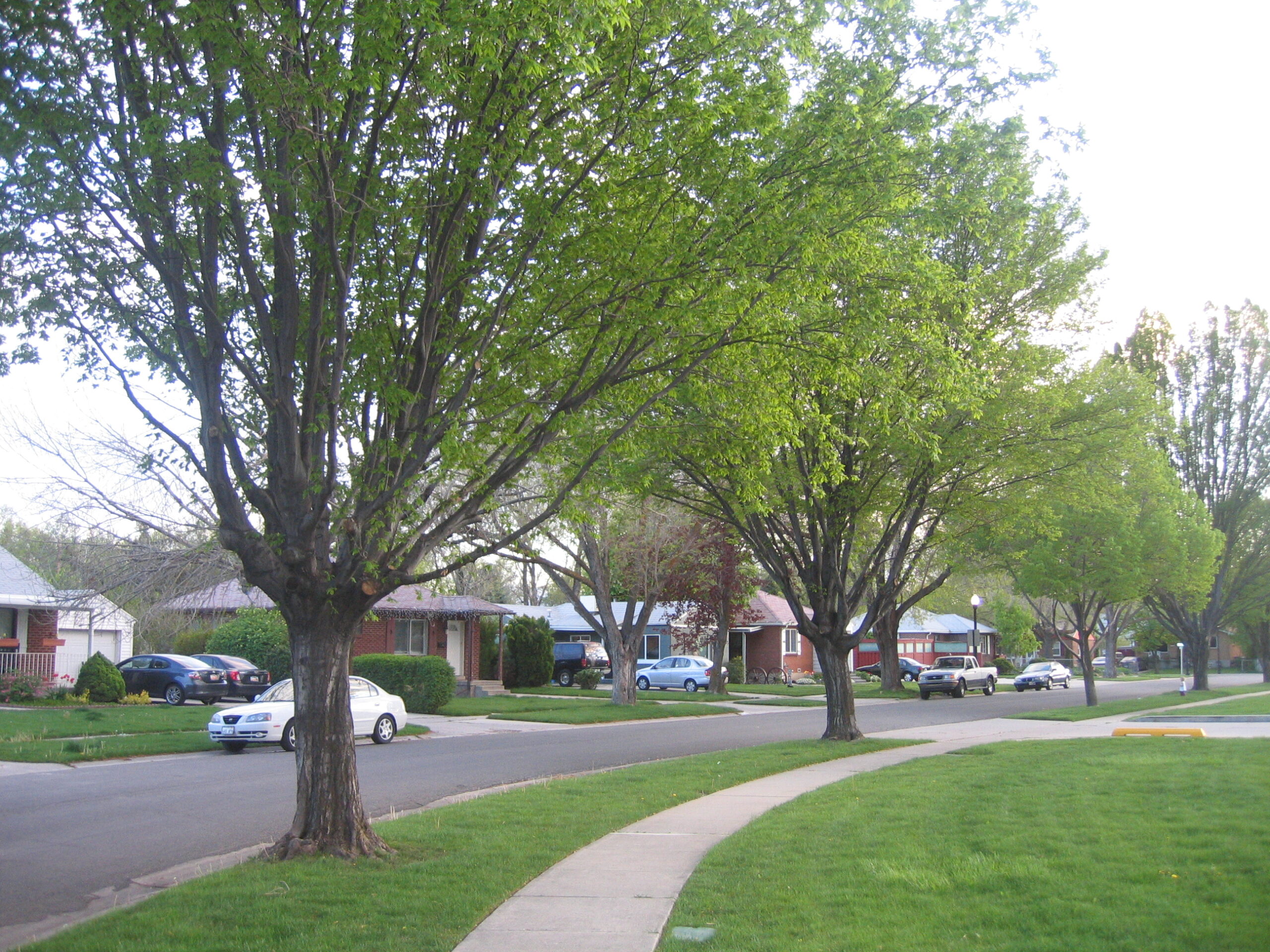
Maestas, a Rose Park resident, listed her parents’ home for sale over the summer, KUTV consumer reporter Kristen McPeek reported on Oct. 27. While the house sat vacant on the market, she drove by and saw that one of the large trees in the front yard had been cut down.
Her first call was to her brother. He told her he had no idea what she was talking about, according to the report.
Maestas said the possible scam angle did not come together for her until months later, after the house had sold. Looking back at what happened, she and her family began to see signs that a scheme had been at work, she told the station.
The home has now sold. Whoever removed the tree has not been identified.
How a check overpayment scam can pay for a stranger’s tree job
Daniel Larsen, interim division director of the Utah Division of Consumer Protection, told KUTV his office had not received any reports about the Rose Park tree. But he said it could have been a check overpayment scam.
In that scheme, Larsen explained, a buyer pays for a product or service with a check written for more than the price. The buyer then asks the seller to refund the extra amount. After the seller sends the difference, the original check bounces. Those checks are typically drawn on an account that was compromised through identity theft or fraud.
Larsen did not lay out exactly how such a scheme would have played out at the Rose Park house. His advice, though, points to the risk on a vacant property: a tree service can be hired by someone with no right to approve the work, and the owner can come back to find a mature tree gone with no idea who ordered it.
Larsen’s warning was blunt: when someone sends too much money for something, it is almost always a scam, he told the station.
The Federal Trade Commission describes the same trap in its guide to fake check scams. Fake checks often look real, sometimes carrying real bank names, and even bank employees can miss them. Banks must make deposited money available quickly, but that does not mean the check is good, the agency says. Discovering a fake can take weeks, and by then any money sent back is gone, and the person who deposited the check ends up owing the bank.
The FTC’s advice includes not relying on money from a check unless the sender is known and trusted, never accepting a check for more than the agreed price, and never using check funds to buy gift cards or money orders or to wire money to anyone who asks.
Confirming who owns the yard before the saw comes out
Larsen’s advice in the KUTV report was aimed squarely at people who take jobs on empty properties. Anyone doing work on a vacant home should verify who they are dealing with and confirm that the person actually has the authority to approve the work, he said. Skipping that step, he warned, could lead to significant legal problems.
Maestas put it more bluntly for tree companies, telling them to protect themselves. She told KUTV she hopes people will be careful when selling, buying or hiring someone for tree trimming or similar work.
Trees removed while owners were away have come up on this site before, including the story of a woman who returned from vacation to find her favorite tree reduced to a stump, and a homeowner whose utility visit turned into a tree-law dispute.
Where Utah homeowners can report a suspicious job
The Utah Division of Consumer Protection, part of the state Department of Commerce, enforces the state’s consumer protection laws. Its registration lookup page lets anyone check whether a business is registered with the division, and links to a legal actions search and a buyer beware list, a quick step for a property owner or a tree crew before agreeing to a job.
Complaints can be filed through the division’s online complaint page, by phone at (801) 530-6601 from 8 a.m. to 5 p.m. Monday through Friday, or by mail at P.O. Box 146704, Salt Lake City, UT 84114-6704. The office is at the Heber M. Wells Building, 160 East 300 South in Salt Lake City.
For people who already sent money in a fake check scheme, the FTC says to contact the gift card company, wire service, money order issuer or cryptocurrency platform right away and ask about reversing the payment, and to report the scam to the FTC, the Postal Inspection Service and the state attorney general.
Larsen’s office had no report on file about the Rose Park tree when KUTV asked. For Maestas, the empty spot in her parents’ former front yard remains the only trace of a job no one has claimed.
Get stories like this by email. Sign up for The Parent Diaries Letter.
This article was produced with AI assistance and edited for accuracy against the sources linked above.
Image: IsoFocus, public domain, via Wikimedia Commons