‘We Absolutely Felt Violated’: Vandals Cut Through the Fence at Las Vegas’ Obodo Community Garden, Broke Open the Shed and Stole the Tools
Tameka Henry, executive director of Obodo Collective, said the group “absolutely felt violated” and was “heartbroken” after vandals cut through the fence at its community garden in Las Vegas, broke open the shed doors and stole gardening equipment. The damage was found on a Monday morning, according to a report by KLAS-TV published Nov. 4.
Henry told the station that staff noticed the disarray when the garden’s farmer arrived. She said the group wants to make sure the setback does not stop its work.
What Staff Found at the Garden
The garden is in the Historic Westside, and the KLAS report, carried by Yahoo News, describes it as a place where neighbors gather, learn about gardening and grow fresh food. Reporter Nicholas Sommer wrote that the fence had been cut, the shed doors had been broken open and equipment and tools were taken. The story did not mention a police report or any arrests.
Volunteers came to help in the aftermath. According to KLAS, they pulled weeds, cleared the sheds, removed trash, and planted and harvested food. Obodo Collective is asking for gardening tools, seeds or monetary donations through its website, obodocollective.org.
A Half-Acre Farm in a Food Desert
The urban farm sits at 1300 C St., between Owens Avenue and Washington Avenue, on a half-acre property, according to the Las Vegas Review-Journal. The collective bought the land in 2019 and turned a bare lot into a community hub. The farm grows tomatoes, bell peppers, bok choy, arugula, basil, carrots and other vegetables, and sells produce from a small on-site building that is planned to become a grocery store.
Food Programs Coordinator Cheyenne Kyle described the site to the paper as “smack dab in the middle of a food desert,” the reason it was placed there. Henry said it was set up to improve access to fresh produce in a neighborhood with no nearby grocery stores. About 50 people attended the opening Earth Day event, which included the unveiling of a mural honoring civil rights activist Ruby Duncan.
Las Vegas Weekly reported that the Historic Westside is Las Vegas’ first African-American community, and that “Obodo” means community in the Igbo language of Eastern Nigeria. At the time of that interview the farm had 26 garden beds and 26 fruit trees, and it yielded about 500 pounds of food in a 45-day span in fall. The Historic Westside’s food insecurity rate was 19.6%, nearly 1 in 5 residents, compared with about 1 in 8 across Clark County, according to the same article.
The Review-Journal named Erica Vital-Lazare as a co-founder and said the collective serves residents of the 89106 ZIP code. Las Vegas Weekly added that Henry wants the site to be a safe place for kids to do homework and spend time outdoors, since nearby parks are fenced off. The multifunctional space has hosted chef demonstrations and yoga, and a mural in the garden was painted by three artists.
What the Collective Does Beyond Growing Food
The garden is one part of a wider mission. In an interview with KTNV, Henry said the organization aims to “combat multi-generational poverty by providing long term supports and solutions.” Its work includes housing support, such as observing eviction court to help keep families housed, and early childhood education and childcare resources.
Las Vegas Weekly said the collective also gives emergency help with rent and groceries, and refers families through community partners to workforce development and financial literacy classes, with the goal of helping families move out of multigenerational poverty. The farm produced more than 1,000 pounds of fresh fruits and vegetables in the 2022-23 growing season, KTNV reported. Henry described the site as a place for family and community engagement, where grandparents and children can farm together.
Obodo’s own website says the nonprofit runs an urban farm and community grocery and works as a hub that connects existing aid organizations. Its programs include a Green Grocer, food security work, community resources and quick classes, and a GET HELP intake form. The Obodo Collective website also lists volunteer sign-up and tour requests. At the time the page was reviewed, it described a matching gift challenge that would match donations up to $25,000 through Tuesday, Oct. 27, toward a $100,000 goal, so the campaign may have ended. The page did not list specific tool or seed needs.
Funding Pressure the Nonprofit Described Last Year
Money was a concern for the nonprofit before the break-in. In a June 2025 report, 96.3 KKLZ said Obodo had grown and distributed more than 2,000 pounds of fresh produce over five years, and that it supports more than 1,000 families with services that include eviction diversion and utility assistance.
That report said operating reserves were shrinking and federal grant applications were pending, and that Henry had resubmitted grant proposals. A local donor had agreed to match contributions up to $50,000. Henry said at the time that the group could not give up given the impact it has made.
How Neighbors Can Help the Garden Recover
KLAS described volunteers pulling weeds, clearing sheds, removing trash, and planting and harvesting after the theft, and the group is asking for tools and seeds to keep that work going. Obodo Collective holds free hands-on gardening and plant-care classes on Saturdays from 10 to 11 a.m., according to the KLAS report, which also said the group’s aim is to give the area access to fresh produce and build a stronger, more connected community.
The KLAS story did not put a dollar value on what was stolen or list which tools were taken. Anyone who wants to donate tools, seeds or money can do so through obodocollective.org, the station reported.
Get stories like this by email. Sign up for The Parent Diaries Letter.
This article was produced with AI assistance and edited for accuracy against the sources linked above.
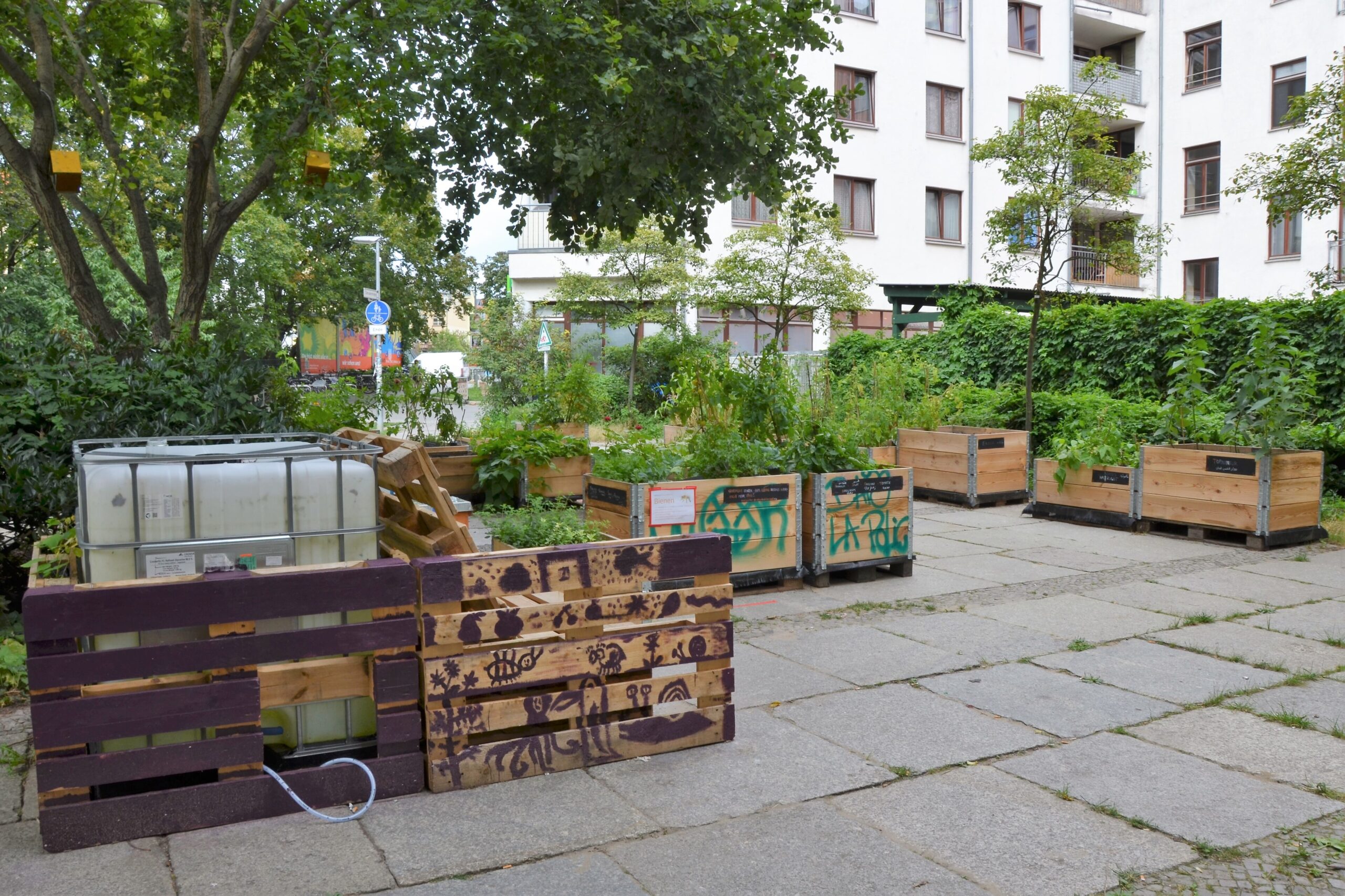
Image: WS ReNu, CC BY-SA 4.0, via Wikimedia Commons (file photo of a community garden, not the Obodo garden)