Gardener Says New Neighbor Wanted Six-Meter Trees Removed for More Afternoon Sun, Then Suggested Someone Else Should Pay for It
A homeowner had spent ten years enjoying the trees behind the house, never imagining they would become the subject of a neighborhood dispute. Then a new neighbor moved into the recently built property next door and quickly arrived with an unusual request: the mature trees should be cut down because they were blocking sunlight from the neighbor’s garden.
The request became even more surprising when the neighbor suggested that the homeowner should cover the cost. What started as a simple conversation about sunlight soon turned into a much bigger question about privacy, wildlife, property boundaries, and whether someone who knowingly buys a house beside mature trees can later ask for the trees to disappear.
The Trees Were There Long Before the New House
The homeowner explained that the house next door had been built only after part of another property’s garden was sold off. The trees, however, were already established long before the new house appeared. For roughly ten years, the homeowner had lived with them without any serious disagreement with the previous occupants.
That changed almost immediately after the property changed hands. The new owner had been there for less than a month when the subject of the trees came up. Instead of simply asking about them, the neighbor wanted them cut down because they were reducing the amount of light reaching the new garden.
The New Neighbor Wanted More Sunlight
There was one obvious problem with the request from the homeowner’s perspective: the trees were not causing any fundamental problem. They were simply trees standing behind the garden, doing what mature trees naturally do by providing shade. The homeowner also liked them and considered the privacy they created a major benefit.
The neighbor, meanwhile, saw the same branches very differently. From their garden, the trees were apparently becoming an obstacle between the property and the afternoon light. A response from a person summed up the situation rather bluntly by suggesting that a simple “no” was enough.
Then Came the Question of Who Should Pay
The conversation took an even more surprising turn when the neighbor apparently expected the homeowner to pay for removing the trees. That was difficult for the homeowner to understand because the trees had not suddenly appeared after the neighboring property was purchased. They had been part of the surroundings long before the new owner arrived.
The homeowner considered the request particularly cheeky because removing mature trees would not simply be a minor gardening job. These were approximately six meters tall, and completely removing them would permanently change the garden. The homeowner had little interest in paying to solve a problem they did not believe existed.
Privacy Was One Reason the Trees Mattered
There was more at stake than sunlight. The homeowner said the trees provided valuable privacy, meaning their removal would leave the garden much more exposed. Instead of looking through greenery, the homeowner would potentially be staring toward another building.
That made the trees feel less like an obstruction and more like part of the garden itself. After ten years of having them there, suddenly being asked to remove them would completely change the character of the outdoor space. A mature garden can take years to develop, and these trees had already become part of the homeowner’s daily surroundings.
The Wildlife Had Moved In Too
The trees also had another group of residents that could not exactly be consulted about the proposed removal. According to the homeowner, plenty of wildlife had made its home among the branches. Birds and other creatures had effectively turned the mature trees into a small vertical neighborhood.
Removing the trees would therefore mean more than changing the view. It would also eliminate an established habitat that had developed over many years. For someone who enjoys gardening and wildlife, that made the idea of cutting everything down particularly unappealing.
There Were Actually Three Trees
The situation became a little more complicated when the homeowner clarified that there were three trees altogether. Only two of them were affecting the neighbor’s light, while the third was apparently not part of the dispute.
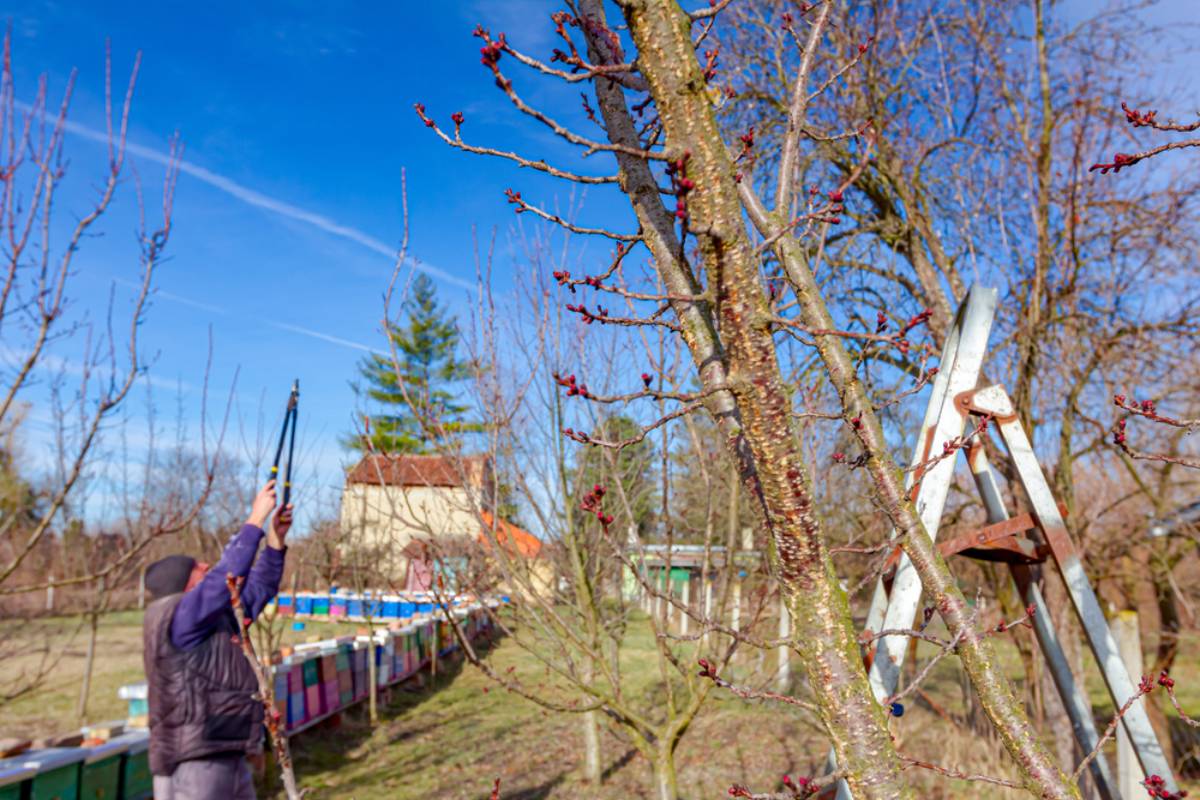
All three stood at around six meters tall, making them substantial mature features rather than a few small ornamental trees that could easily be moved or reshaped. The homeowner was therefore not looking at a quick afternoon of pruning. The neighbor was effectively asking for a significant change to an established landscape.
The Gardens Faced North
Then came another important detail about the sunlight. The gardens were north-facing, which naturally limited how much direct light they received. The neighbor reportedly said the trees caused them to lose sunlight for approximately two hours in the afternoon.
The homeowner found that complaint difficult to accept as a reason for removing mature trees. Their own garden was shaded by their house, while surrounding homes also blocked sunlight. In their view, that was simply part of living among neighboring properties rather than something that could be solved by removing every obstacle to the sun.
The Homeowner Was Not Planning to Build a Woodland Overnight
Interestingly, the homeowner was already enthusiastic about growing more trees. They explained that they had planted several additional saplings around the garden with the eventual goal of creating a little woodland.
Those newer trees had apparently been positioned carefully so they would not interfere with the neighbors’ light. That detail made the dispute feel less like someone ignoring everyone around them and more like a gardener deliberately trying to balance greenery with consideration for neighboring properties.
The Neighbor Had Not Even Realized Who Owned the Trees
One of the strangest details emerged later in the conversation. The new neighbor had initially assumed the trees belonged to a company whose property backed onto the homeowner’s garden.
That meant the neighbor apparently did not even know the trees belonged to the homeowner when they first started asking about removing them. Once they discovered who owned them, however, the request simply changed direction rather than disappearing.
Then the Business Was Mentioned
The situation took another unexpected turn when the neighbor suggested that the business behind the garden might contribute toward the cost of removing the trees. That suggestion left the homeowner understandably startled.
Instead of simply accepting that the trees belonged to someone else, the neighbor now appeared to be exploring who else might help pay for getting rid of them. The garden dispute had somehow progressed from “these trees block my light” to “perhaps another property owner should help finance their removal.”
Should the Trees Be Trimmed Instead?
The homeowner wondered whether there might be a compromise. One possibility was offering to have the trees trimmed rather than removed entirely. Another question was whether the neighbor should simply be allowed to trim the tops from their side.
That idea sounds reasonable at first, but several responses from people warned against casually giving permission for someone else to work on mature trees. Their concern was that a request to “trim” could potentially become much more aggressive once the homeowner was not watching.
The Photos Suddenly Became Important
Several people responding to the story suggested photographing the trees from different angles and keeping a record of their condition. The reasoning was straightforward: if a disagreement over the trees became more serious later, having dated photographs could establish what the garden looked like beforehand.
A person also suggested making it obvious that the trees were being documented. It was a simple precaution, but it reflected how quickly an ordinary conversation about gardening had started feeling like something that might require evidence.
Some People Warned About Unauthorized Tree Cutting
The responses became increasingly cautious when people shared stories about neighbors taking matters into their own hands. Some described situations where trees had allegedly been cut back while owners were away, leaving mature plants badly damaged.
That possibility was particularly worrying because the homeowner had already explained that the trees were important for privacy and wildlife. Allowing someone else to decide how much should be removed could therefore create a result the homeowner never intended.
The Boundary Question Added Another Layer
A response from a person pointed out that overhanging growth can raise a separate issue from the question of removing an entire tree. The distinction matters because a neighbor dealing with branches that cross onto their side may have different options from someone who simply wants a taller tree gone because it casts shade.
For the homeowner, the key issue was that the neighbor was asking for the trees themselves to be cut down. That was a much bigger request than dealing with a few branches crossing a boundary.
The Neighbor Left the Decision With the Homeowner
Perhaps the most telling moment came when the homeowner said the neighbor remained quite insistent. After being told that the trees provided privacy, the neighbor reportedly left by saying they would “leave it in my hands to arrange.”
That wording left the homeowner with the impression that the neighbor was not simply making a casual suggestion. The request had been delivered as something they expected the homeowner to organize, despite the fact that the homeowner wanted the trees to remain exactly where they were.
The Trees Were Part of the View
There was also a personal reason for keeping them that had nothing to do with property arguments. The homeowner said they could see the trees from the bedroom window, and removing or drastically reducing them would replace that view with another building.
Suddenly, the trees were not merely blocking someone else’s sunlight. They were also protecting the homeowner’s own view and helping define what they saw every day. Cutting them down would solve one person’s complaint by creating a very different problem for the person who actually owned them.
The New Neighbor Had Seen the Trees Before Buying
The homeowner pointed out another detail that made the entire situation feel especially awkward: the trees had been there when the new neighbor viewed the property.
They were not hidden behind a newly planted hedge or suddenly grown several meters overnight. They were established features of the surrounding landscape, visible before the purchase was completed. Now, less than a month after moving in, the new owner was asking for those features to be removed.
The Final Twist Was About Light
The neighbor reportedly believed the trees were costing them around two hours of afternoon sunlight. But the homeowner pointed out that the surrounding houses created similar shade and that the gardens were already north-facing.
That observation turned the dispute into a classic gardening-versus-expectation problem. The trees were doing what trees do, the houses were doing what houses do, and the sun was certainly not taking requests.
For Now, the Woodland Stays
Despite all the pressure, the homeowner made it clear that completely removing the trees was not something they wanted. They liked the privacy, enjoyed the greenery, valued the wildlife, and appreciated the view from the house.
The homeowner had already planted more saplings for the future, too, suggesting that the long-term plan was clearly more garden and more greenery, not less. Whatever happens next between the neighbors, the mature trees have already become much more than six-meter-high obstacles, they are part of a garden that took years to grow.