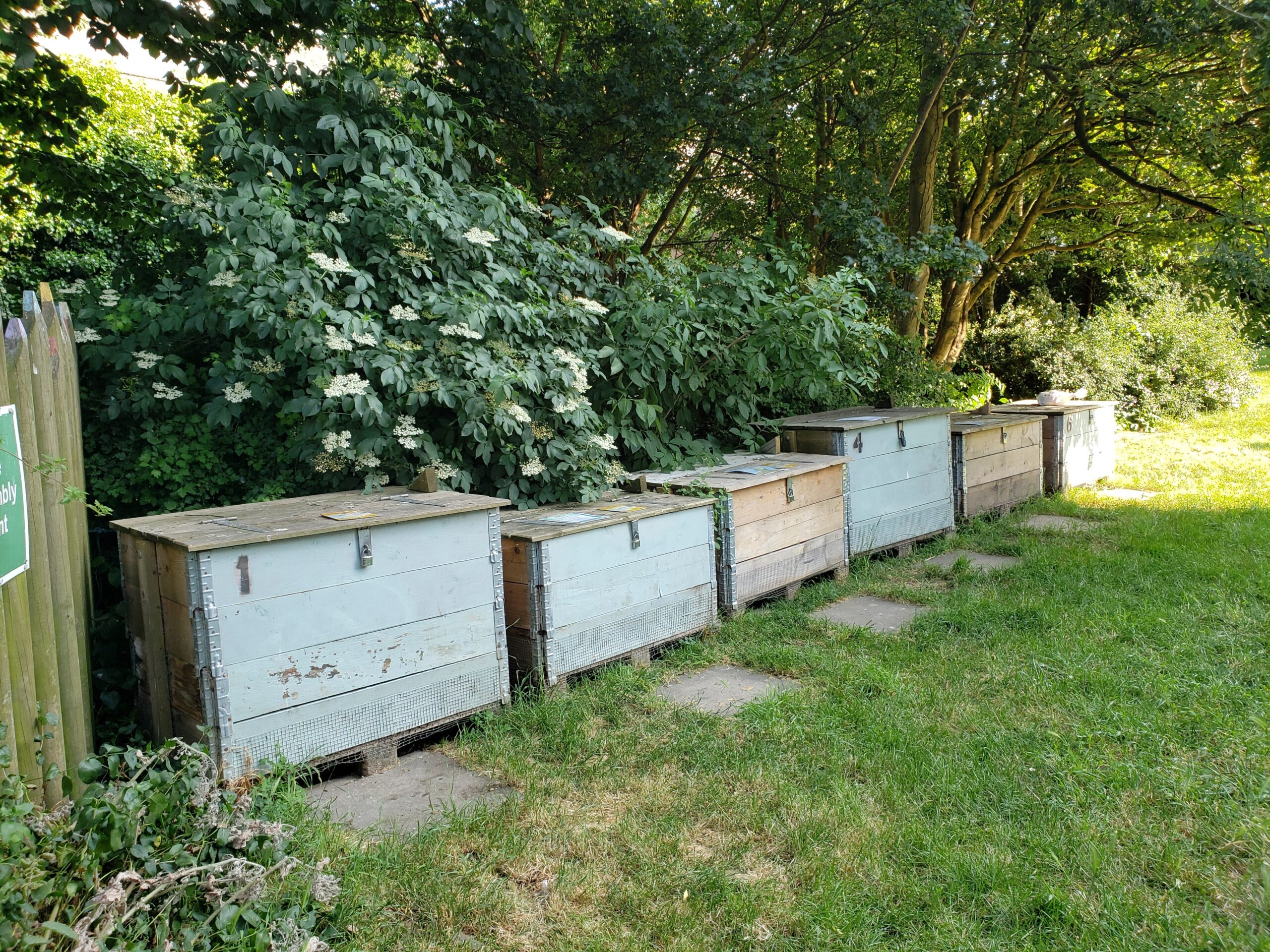
A Compost Bin Gets a Tarp, an Occasional Soaking and Leaf or Straw Insulation on Top and Sides for Winter, HGTV’s Fall Checklist Says
A compost pile does not have to go dormant just because the weather turns cold. HGTV’s fall winter-protection checklist tells gardeners to cover the bin with a tarp, soak the pile with water now and then, and insulate the top and sides with leaves or straw. The same HGTV gallery turns to the shed next, with a list for winterizing the mower and other power equipment.
Extension specialists in New Hampshire, Oregon and Nevada describe the same winter routine for compost, with a few extra numbers for pile size and moisture. The sections below put the HGTV checklist next to what they say.
The tarp, the soak and the insulation
HGTV says a tarp over the bin helps composting continue through cold weather. An occasional soak with water keeps the pile moist, and leaves or straw around the top and sides provide insulation. The gallery also says spent vegetable plants can go into the pile, while diseased plants belong in the trash.
Melissa Fery, a Small Farms Professor of Practice at Oregon State University Extension, explains why the cover matters. A tarp keeps out excess rain and snow, she writes, and it also insulates the pile by blocking cold air. Her guide, originally published in December 2007 and reviewed in 2026, says straw or hay bales placed around the pile help protect it at high-elevation or windy sites.
JoAnne Skelly, an associate professor and extension educator emerita at the University of Nevada Cooperative Extension, writes in a Carson Now column that leaves around the outside of the pile keep heat in the center, and straw works as a substitute where leaves are scarce. She suggests moistening the pile and covering it with a tarp or burlap to hold heat, with a straw-bale windbreak if wind is a problem. The column dates to October 2019. She also notes that cold weather slows decomposition, so winter piles break down more slowly, and that sunny days in northern Nevada can help maintain or reheat a pile placed in a sunny spot.
How wet is wet enough
The checklist says only “occasionally,” so the extension guides fill in the detail. Fery says to keep moisture around 50 to 60 percent, with the pile feeling like a wrung-out sponge, and to add water with a hose if the materials dry out.
The University of New Hampshire’s Yard and Garden Infoline warns about the opposite problem in a Nov. 25, 2020 blog post. Adding only kitchen greens through winter can leave a stinky, wet mess by spring, the volunteers write, and mixing in browns such as leaves improves drainage. Finished compost, they add, should stay in lidded bins or under a tarp so it does not get soggy.
Size and turning in a cold month
Bigger piles stay warmer. Fery recommends building the pile to at least 1 cubic yard, because larger piles hold their own heat as microorganisms break the material down, and she gives an internal target of 130 to 150 degrees. New Hampshire’s volunteers say large piles tend to keep their interiors warm enough for decomposition to continue through winter, while small bins and tumblers are more likely to stall.
On turning, the advice differs by climate. New Hampshire says not to turn the pile in winter, since that releases interior heat, and to wait until spring once it has thawed. Fery describes turning roughly every two weeks, about three days after the interior reaches 150 degrees, and suggests perforated PVC pipes to circulate air when turning is not practical. Skelly’s rule is simple: once there is a spring thaw, turn and water the pile.
Another idea from Skelly is to leave a hole in the leaf cover at the top for adding scraps, then cover the scraps with about 2 inches of leaves or straw. New Hampshire suggests a different insulating step, which is to line the inside of the bin with 6 to 12 inches of leaves, sawdust or wood chips so the pile does not freeze solid. For more on building a leaf-based pile, this site covered Colorado State Extension’s fall leaf compost recipe.
Putting the mower away
The second half of the HGTV item moves from compost to equipment. Drain the gasoline from power equipment, it says, and change the oil in four-cycle engines. Worn spark plugs get replaced, and so do dirty air filters. The gallery also says the mower tank can simply be run empty while mulching fall leaves, that the gas-oil mix in two-cycle engines such as string trimmers should be drained and disposed of properly, and that mower blades can be removed, sharpened and reattached.
Oklahoma State University Extension adds numbers to the maintenance steps in its lawn care fact sheet. It says to replace the air filter about every six months or 50 hours of operation and the spark plug about every two years, with the engine off and cool. It also says fuel stabilizer can be added to the mower tank and is especially useful for fuel stored over winter. Fuel should be kept in a sealed, approved container away from heat, children and pets.
University of Minnesota Extension’s page on mowers and mowing safety offers a reason to take care of the blades. Dull rotary blades fray grass tips, leaving them brown and more prone to disease, it says, so blades should be sharpened and adjusted frequently. Both extension pages tell readers to follow the owner’s manual for the specifics of a given machine.
This article was produced with AI assistance and edited for accuracy against the sources linked above.
Image: “Compost bins in Brighthelm Garden 2023-06-16” by Andy Li is released under CC0.