A Frost Advisory Covers Gardens in Camden, Gloucester and Lower Bucks Counties Saturday Night, With Lows Dipping as Low as 34
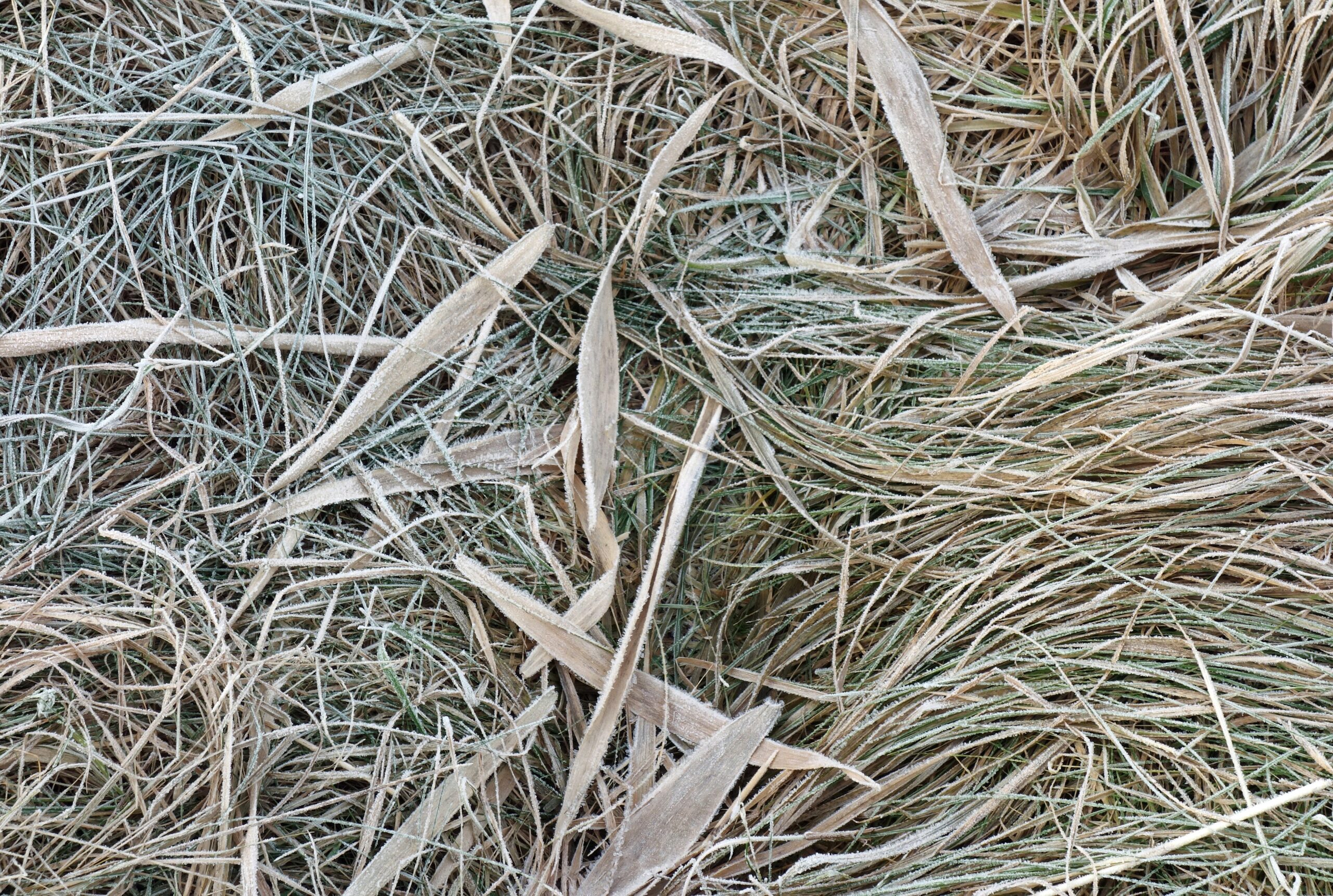
The last tomato and pepper plants in South Jersey and the Philadelphia suburbs face a cold Halloween night. The National Weather Service office in Mount Holly, New Jersey issued a frost advisory at 1:26 a.m. Saturday, Oct. 31, warning that temperatures as low as 34 degrees will bring areas of frost. The advisory runs from midnight Saturday night until 8 a.m. Sunday, Nov. 1.
The office’s wording is direct about what is at stake for home gardens: frost could harm sensitive outdoor vegetation, and sensitive plants left uncovered may be killed.
Eight counties in two states are under the advisory
The advisory covers five New Jersey counties: Camden, Cape May, Cumberland, Gloucester and Salem. In Pennsylvania, it covers the eastern sections of Chester and Montgomery counties and Lower Bucks County.
On Saturday morning, the weather service’s forecast page for Camden still listed the frost advisory as the active hazard for Camden County, in effect from 12 a.m. to 8 a.m. Sunday. The same advisory text, listing all eight counties and the 34-degree low, was also carried by the alert distributor GovOneStop.
Philadelphia itself is not on the list. The weather service forecast for the city called for a mostly cloudy Saturday night with a low around 42.
The overnight window also crosses the end of daylight saving time. The advisory starts at midnight Eastern Daylight Time and ends at 8 a.m. Eastern Standard Time, after clocks fall back.
Why a 34-degree low still threatens plants
A frost advisory does not mean the air will drop below freezing. According to the National Weather Service’s guide to cold weather alerts, a frost advisory means areas of frost are expected or occurring, posing a threat to sensitive vegetation.
That is a step below a freeze warning, which the weather service issues when temperatures are forecast to go below 32 degrees for a long period of time. The agency says that threshold kills some types of commercial crops and residential plants, while temperatures below 28 degrees for an extended time can kill most of them.
That is why the Mount Holly office tied this advisory to a 34-degree low rather than 32: the office expects frost to form in places even where the air stays a couple of degrees above freezing.
This is not the region’s first cold morning of the fall. On Oct. 23, NBC10 meteorologist Justin Godynick reported a frost advisory for Philadelphia and its surrounding areas and a freeze warning north and west of the city, with suburban lows as cold as 30 degrees.
Which garden plants are most at risk Saturday night
The plants in the most danger are the warm-season ones. Penn State Extension lists tomatoes, beans, cucumbers and peppers among the crops that complete their life cycle in one growing season, and these are the vegetables a frost finishes off.
Cool-season crops are a different story. Penn State Extension says many varieties, root crops in particular, survive much colder temperatures, and that carrots, turnips, rutabagas and beets get sweeter with frost. Kale and most leafy greens do too. Parsnips are generally tolerant to 0 degrees, the extension says, and collards keep holding after some kales have wilted.
Container plants are exposed in a different way. Annuals in pots and houseplants that spent the summer outdoors sit above ground, where the cold reaches their roots as well as their leaves.
How South Jersey and suburban gardeners can cover beds before midnight
The weather service’s own advice in the advisory is to take steps now to protect tender plants from the cold. Extension services in Maryland and Pennsylvania explain how.
The University of Maryland Extension says row covers can extend the growing season in spring and fall by providing 2 to 8 degrees of frost protection, depending on the fabric. A lightweight cover gives about 2 degrees, a medium-weight cover 4 to 6 degrees, and a heavyweight cover up to 8 degrees. For a night forecast to bottom out around 34, even the lightest fabric can make the difference.
The Maryland extension recommends holding the edges of the cover down with pins, boards, bricks, rocks or soil so cold air cannot get in. Low tunnels 15 to 30 inches high, with hoops spaced 2 to 4 feet apart, are easy to build and keep fabric from resting on the leaves.
For containers, Penn State Extension Master Gardener Barb Ryan notes that the roots of above-ground container plants can be the same temperature as the air. Her advice is to move smaller pots to an unheated garage, shed, cold frame or basement, or group them together in a sheltered spot under straw, shredded leaves, evergreen boughs or a thermal blanket. She also points out that dry soil freezes faster than moist soil, so watering pots before a cold night helps.
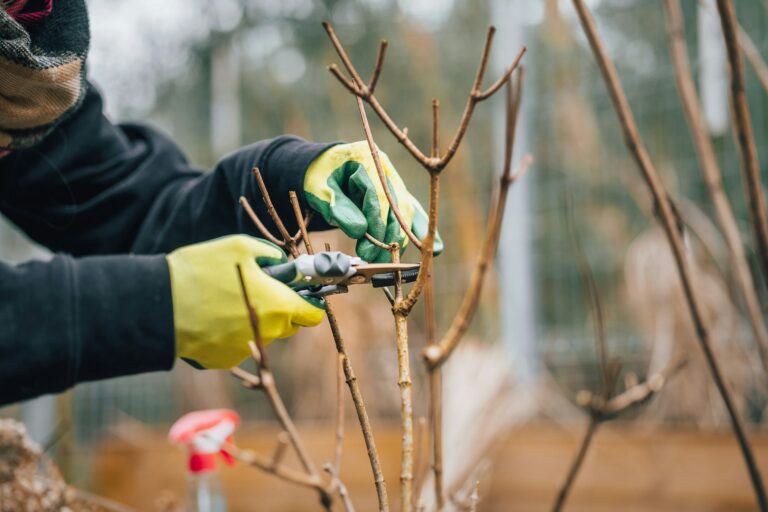
Gardeners with ripening tomatoes or peppers still on the vine have a simpler choice. Picking them before midnight saves the fruit even if the plants are lost.
The mornings after the advisory ends
Covers can come off once the sun is up and temperatures climb on Sunday. The weather service forecast for Philadelphia called for a high near 64 on Sunday and a Sunday night low around 43, so the advisory is a single cold night rather than the start of a deep freeze.
Cool-season beds of kale, collards, carrots and beets, the crops Penn State Extension describes as frost-tolerant, are the ones most likely to come through the night unharmed. Warm-season plants left uncovered are the ones the weather service warned may be killed.
Other gardens are already further along. The weather service has declared the growing season over in Frederick, Maryland and western Loudoun, Virginia, and frost and freeze alerts went out around Portland, Oregon this week.
Get stories like this by email. Sign up for The Parent Diaries Letter.
This article was produced with AI assistance and edited for accuracy against the sources linked above.
Image: W.carter – CC BY-SA 4.0/Wikimedia Commons