A Backyard That Took Four Decades to Perfect Is Being Torn Out Next Month, and the Reason Has Nothing to Do With the Garden Itself
People often slowed their cars just to admire the backyard hidden behind our old maple trees. For forty years, every path, flower bed, and fruit tree had been placed with care and patience. Most assumed it would remain exactly as it was for generations. Then one quiet family meeting changed everything, and the reason had nothing to do with weeds, disease, or neglect.
The First Flower Bed Marked a New Beginning
My parents bought the house shortly after they were married. The backyard was uneven, filled with clay soil, and bordered by an aging wooden fence that leaned in several places.
My father loved building things, while my mother loved growing them.
Together they transformed the empty space one project at a time. They planted lilacs from my grandmother’s yard, built stone walkways with reclaimed bricks, and added a small vegetable patch that eventually expanded into several raised beds.
Nothing happened overnight.
Every improvement represented another chapter in their lives together.
Every Corner Held a Family Memory
Unlike professionally designed landscapes, our backyard followed no formal blueprint.
The apple tree stood where my sister celebrated her first birthday.
The pond marked the place where my parents buried our childhood dog’s favorite collar after he passed away.
A wooden swing hung from the tallest oak because my grandfather insisted every backyard needed one.
Visitors admired the flowers.
Our family saw memories growing among them.
The Garden Became Part of the Neighborhood
As the years passed, the backyard quietly became a gathering place.
Neighbors borrowed herbs instead of buying them.
Children searched for butterflies around the pollinator beds.
Every autumn my parents hosted cider making weekends using apples harvested from their own trees.
People often joked that the backyard deserved its own address because so many community events happened there.
No one imagined it would ever disappear.
My Father’s Routine Never Changed
Even after retiring, my father followed the same schedule every morning.
Coffee came first.
Then he walked every path, checking flowers, trimming plants, and greeting birds that had become regular visitors over the decades.
He rarely rushed.
The garden reflected his personality.
Patient.
Steady.
Always improving little by little.
A Routine Medical Appointment Changed Everything
One afternoon my parents asked the family to come over for dinner.
The atmosphere felt different before anyone even spoke.
After dessert, my father quietly explained that doctors had discovered a serious neurological condition that would gradually affect his balance, mobility, and independence.
The room became completely silent.
My mother reached for his hand without saying a word.
The House Suddenly Looked Different
Over the following weeks, practical realities replaced emotional reactions.
The backyard everyone loved was filled with uneven stone paths, narrow walkways, small bridges, and gentle slopes.
Simple gardening tasks that once brought my father joy could eventually become dangerous.
The house itself also contained multiple stairs and tight spaces.
For the first time, the family stopped seeing beauty alone.
We saw obstacles.
Every Possible Solution Was Considered
Nobody wanted to change the property.
We explored home modifications, accessible pathways, ramps, and professional gardening assistance.
Contractors visited.
Landscape architects offered ideas.
Medical specialists discussed future mobility needs.
Every conversation reached the same difficult conclusion.
The existing layout could not safely support the changes my father would eventually require.
My Mother Made the Hardest Decision
Late one evening, my mother gathered everyone around the kitchen table.
She unfolded a detailed property plan.
Then she quietly said, “If we’re going to change anything, we’re doing it while your father can still help decide.”
Her voice trembled.
She refused to wait until emergency circumstances forced rushed decisions.
If the garden needed to change, she wanted my father involved in every choice.
Word Spread Before We Were Ready
Construction permits soon appeared near the front sidewalk.
Neighbors immediately assumed the worst.
Rumors spread that the property had been sold to developers.
Others believed we planned to install a swimming pool or build an addition.
Several longtime friends stopped by asking whether the famous backyard was really disappearing.
Explaining the real reason never became easier.
One Neighbor Offered an Unexpected Idea
Our next door neighbor, Carol, had known my parents for nearly thirty years.
After hearing the situation, she made an unusual suggestion.
“What if you don’t think of this as destroying the garden?”
“What if you’re building its next chapter?”
That simple sentence completely changed the conversation.
Instead of debating what would be lost, we began discussing what could remain.
Saving the Most Meaningful Pieces
Before construction started, the entire family spent several weekends carefully preserving important plants.
The lilacs grown from my grandmother’s original cutting were transplanted.
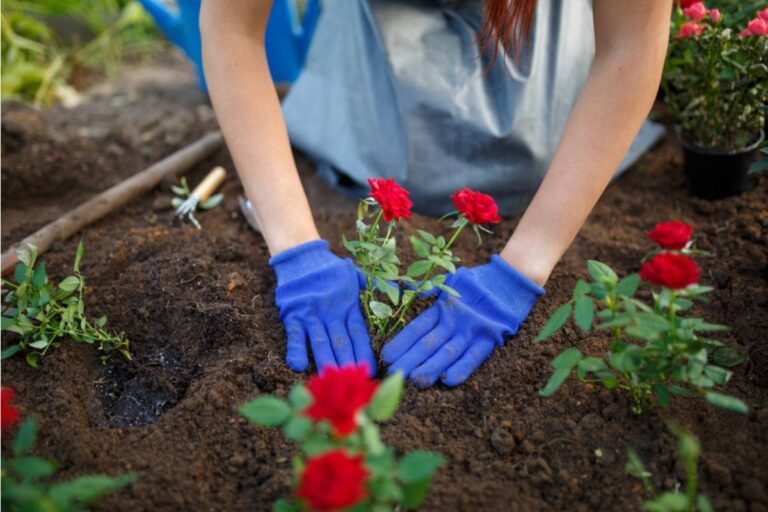
Rose bushes planted on special anniversaries found new homes throughout the yard.
My father’s favorite Japanese maple remained untouched because the redesign could be planned around it.
Even the old swing stayed exactly where it had always been.
The memories were moving, not disappearing.
The Community Showed Up Without Being Asked
Neighbors surprised us in remarkable ways.
Some volunteered to divide perennial flowers and temporarily care for them.
Others labeled plants, collected seeds, and documented the garden with hundreds of photographs.
A local woodworking club carefully removed handmade benches so they could be restored after construction.
What began as a private family challenge slowly became a neighborhood effort.
Demolition Day Felt Surprisingly Quiet
The first excavator arrived early the following week.
My father insisted on sitting outside despite everyone’s concern.
He watched workers carefully lift old stones instead of smashing them.
Many materials were stacked neatly because they would be reused later.
There were tears.
There was sadness.
But there was also an unexpected feeling of purpose.
Nobody was erasing forty years.
They were preparing the space for another generation.
The New Design Honored the Old One
Months of planning finally became visible.
Wide level pathways replaced uneven stepping stones.
Raised garden beds allowed gardening from a seated position.
Automatic irrigation reduced heavy physical work.
Smooth surfaces connected every section without dangerous slopes.
The original pond became a safe viewing feature surrounded by accessible seating instead of narrow edges.
Every improvement focused on preserving independence rather than replacing beauty.
My Father Planted One Final Tree
When construction finished, only one planting remained.
The family gathered around a carefully prepared hole near the center of the redesigned yard.
My father slowly lowered a young flowering dogwood into place while each grandchild helped cover the roots with soil.
He smiled and quietly said, “Gardens aren’t supposed to stay the same forever.”
“They’re supposed to keep growing.”
No one forgot those words.
Visitors Could Barely Believe the Difference
When neighbors returned after the renovation, many expected to feel disappointed.
Instead, they noticed something remarkable.
The familiar atmosphere remained.
Birds still visited.
Butterflies still covered the flowers.
The fragrance of herbs drifted across the walkways just as before.
Only now every path welcomed people of every age and every level of mobility.
The spirit of the garden had survived because its purpose never changed.
The Real Legacy Was Never the Landscape
Looking around today, visitors sometimes ask whether we miss the original backyard. The honest answer surprises them. Of course we miss certain details, just as anyone misses old family photographs or childhood homes. But the most important part of the garden was never the exact arrangement of flowers, stones, or trees. It was the love, patience, and shared memories that shaped every inch of it.
My father still begins each morning with a cup of coffee before taking his familiar walk through the garden. The route is different now, but the peaceful smile on his face remains exactly the same. The backyard that took four decades to create was never truly lost. It simply evolved to meet the next season of our family’s life, proving that the strongest gardens are not those that never change, but those that continue caring for the people who built them.