A Gardener Says He Finally Turned His Empty Backyard Corner Into a Real Food Garden, But Quickly Realized Some Crops Weren’t Worth the Space
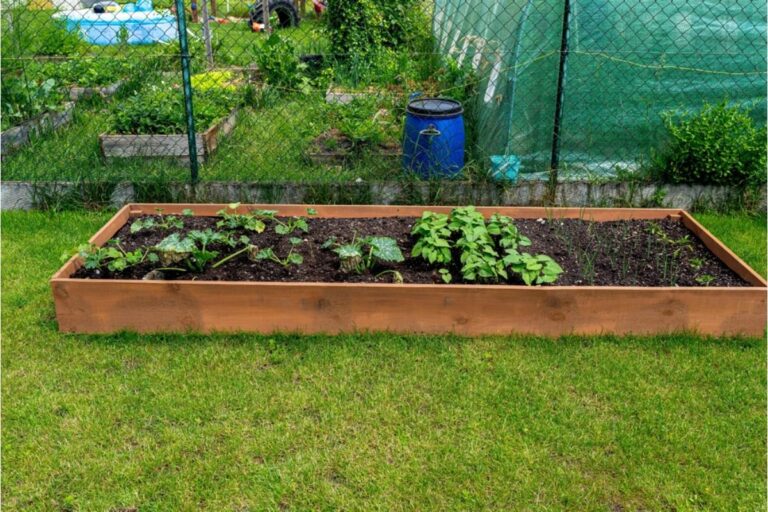
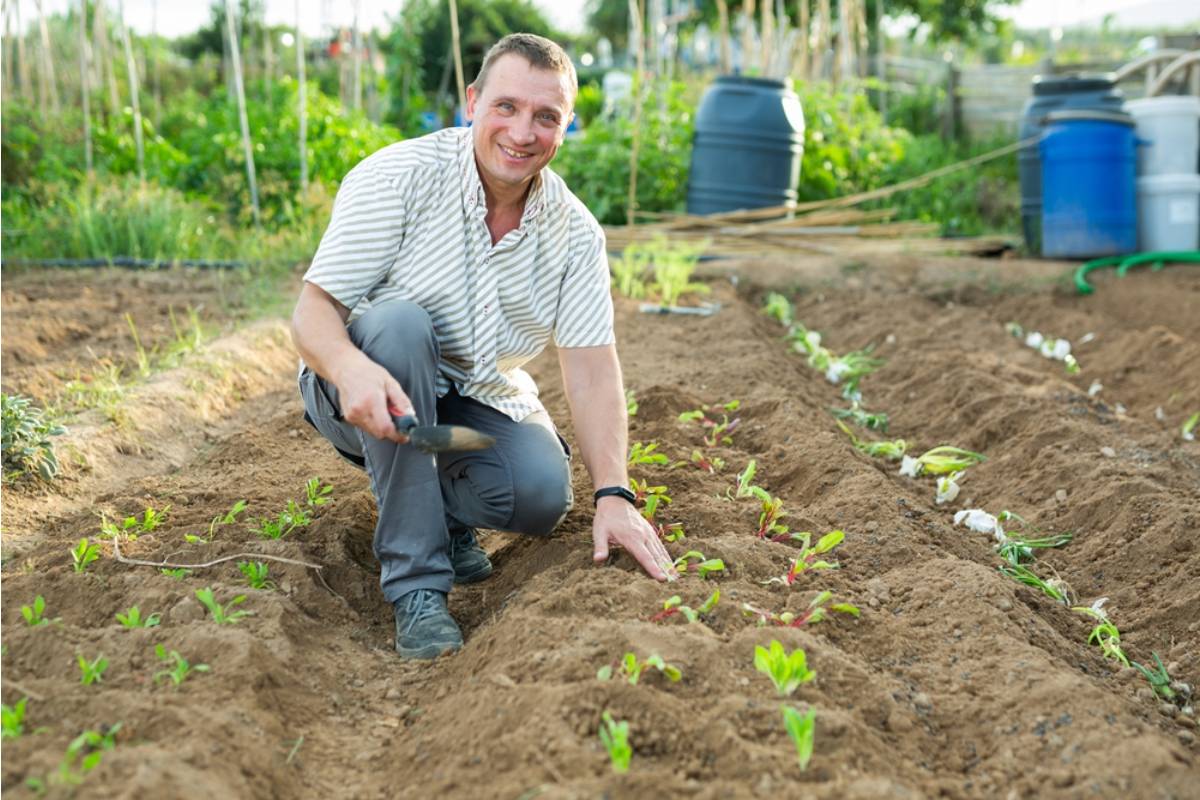
A person shared his story about finally deciding to stop ignoring the back corner of his Ohio backyard. He had roughly a quarter acre, decent sunlight, and enough flat space to build four 4×8 raised beds. After years of growing only a few tomato plants in containers, he wanted a garden that actually produced enough food to justify the work.
The problem was that he didn’t want to waste precious garden space on crops that looked impressive but ended up sitting untouched in the kitchen. He cooked often, so herbs and garlic seemed obvious, but he was stuck on what else deserved a permanent spot. He especially wanted something that could be stored or preserved for the colder months.
The Clay Soil Was the First Problem
The backyard soil was heavy with clay, which immediately made the idea of traditional in-ground gardening less appealing. Rather than spending the entire season fighting compacted soil, he was leaning toward raised beds. Four beds measuring 4 by 8 feet seemed manageable without turning the backyard into a miniature farm.
But the beds created a second problem that was harder to solve. With limited square footage, every plant suddenly had to earn its place. He didn’t want a garden full of crops that produced beautifully but contributed very little to the family’s actual meals.
The Question Became What Is Actually Worth Growing?
The gardener started looking beyond the usual advice and asked what people had genuinely found worthwhile. He wasn’t simply interested in what grew well. He wanted to know which crops produced enough food, required a reasonable amount of effort, and were actually eaten.
A person shared a response that immediately cut through the complicated planning. The advice was simple: grow the vegetables you actually like to eat. It sounded obvious, but several gardeners admitted that they had learned the lesson only after growing enormous quantities of vegetables nobody in their household wanted.
The Garden Can Betray You With a Great Harvest
One person described growing vegetables specifically because they were recommended for the local area. The plants performed beautifully, but there was one tiny problem: the gardener didn’t particularly enjoy eating them. Suddenly, a successful harvest became a freezer full of parsnips and radishes staring back at them.
That experience changed the way the gardener planned the next season. Instead of choosing crops purely because they were productive, they added more corn, squash, peppers, onions, and carrots. A giant harvest isn’t much of a victory if you’re secretly wondering how to get rid of it.
A Salsa Garden Sounded Like the Perfect Answer
Another person suggested starting with a garden based around favorite recipes. Tomatoes, garlic, onions, peppers, and cilantro could all become part of one practical salsa garden. It was the kind of plan that made sense because every harvest already had a destination before the seeds even went into the soil.
Then someone shared a much less cheerful version of the same idea. They had planted their own salsa garden, only for hungry groundhogs to destroy almost everything. The animals apparently had no interest in respecting anyone’s carefully planned menu.
Potatoes Survived When Almost Everything Else Didn’t
The groundhog problem produced an unexpected winner. The person explained that potatoes were one crop the animals left alone, so potatoes became the main thing they continued growing. What began as a gardening disaster accidentally revealed one of the most useful principles for a productive backyard garden.
Sometimes the best crop isn’t the one that produces the biggest theoretical harvest. It’s the one that survives your particular backyard. If wildlife destroys tomatoes, peppers, or lettuce every year but leaves potatoes untouched, the potato suddenly becomes much more valuable.
Garlic and Potatoes Kept Coming Up
Several gardeners repeatedly mentioned garlic and potatoes as dependable choices for anyone interested in food storage. Garlic can be grown with relatively little space and stored after harvest, while potatoes can provide a substantial amount of food from a modest area. Both also fit naturally into meals that people already cook regularly.
Still, another person pointed out that potatoes don’t necessarily love heavy clay soil. The interesting part was that someone else had found a workaround by growing them above the soil with compost and straw. The tubers could develop in the loose material instead of forcing the gardener to battle the clay directly.
Bush Beans Quietly Won the Productivity Contest
Bush beans also received strong praise for being simple and useful. One person described planting them, keeping the soil moist while they sprouted, and then mostly leaving them alone until harvest. If allowed to dry properly, some varieties could also be stored without requiring complicated preservation.
There was another advantage that made beans especially attractive to a practical gardener. Seed could be saved from the previous harvest and planted again the following year. That meant the garden could eventually provide not only food but part of the next season’s planting material.
Tomatoes Were Almost Impossible to Avoid
Tomatoes appeared again and again, even from people who admitted they weren’t particularly enthusiastic about eating them fresh. They could be turned into pasta sauce, pizza sauce, soups, or other cooked dishes, and excess tomatoes could be given away. Their versatility made them easier to justify than some specialty vegetables.
One person joked that tomatoes seemed to grow like weeds in their garden. Another gardener said they grew large quantities of tomatoes mainly because other people were thrilled to receive them. That added another definition of “worth growing”: a crop doesn’t have to feed your household directly if it can be traded or shared for something you need.
Cucumbers Came With a Warning
Cucumbers were one of the crops that divided opinions. Some gardeners loved their productivity, while others discovered that a few plants could produce far more cucumbers than their household could possibly eat. One person joked that they nearly drowned in cucumbers after their first successful crop.
The lesson wasn’t necessarily to avoid cucumbers altogether. It was to understand how quickly a productive crop can become a problem when you plant more than you can use. A gardener who loves pickles may consider that abundance a blessing, while someone who barely eats cucumbers may find it taking over the entire kitchen.
Berries Might Beat Fruit Trees
For gardeners willing to think beyond annual vegetables, berries received plenty of attention. One person with a productive quarter-acre setup had raspberries, blackberries, blueberries, gooseberries, currants, strawberries, grapes, and bush cherries. They preferred berries partly because they found them easier to manage than traditional fruit trees.
Tree fruit can require more maintenance, including pest and disease management, depending on the crop and location. Berries can provide a perennial harvest without necessarily demanding the same level of attention. For someone trying to make a suburban backyard productive without creating another full-time job, that difference matters.
A Quarter Acre Can Produce a Lot More Than Expected
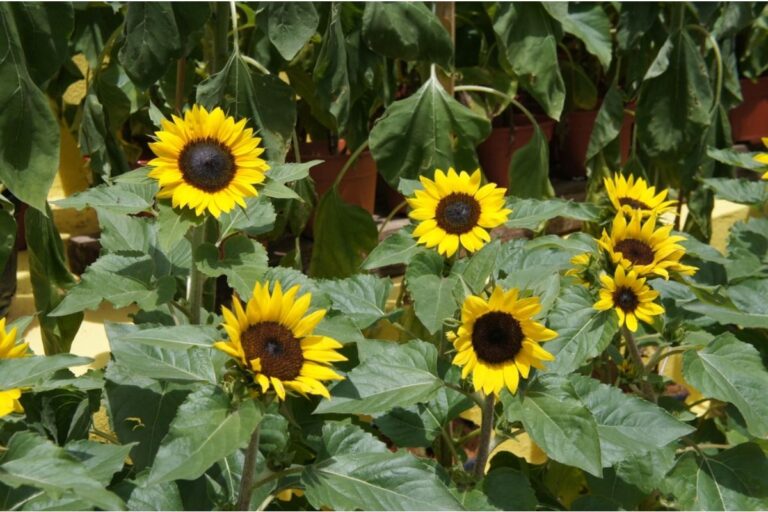
One experienced gardener described using roughly a quarter acre for an ambitious food-production experiment. The crops included potatoes, sweet potatoes, dry beans, corn, peanuts, pumpkins, sunflowers, storage onions, garlic, and various storage roots. Their goal was not simply to grow fresh vegetables but to produce foods that could be stored with minimal processing.
The scale of that project surprised the original gardener. It demonstrated that a quarter acre can become remarkably productive when crops are chosen specifically for calories, storage, and efficient use of space. It also came with an important warning: achieving that level of production requires experience, equipment, planning, and considerably more labor than a casual backyard garden.
The Real Work Starts After the Harvest
One person offered perhaps the most sobering advice of the entire discussion. Growing the food is only part of the job. Once the garden produces more than the family can immediately eat, the gardener has to figure out how to freeze, can, dry, store, pickle, or otherwise preserve it.
That can turn an exciting harvest into a second full-time project. Tomatoes may need to be cooked down, vegetables may need blanching, jars need preparation, and preserving food during the hottest part of summer isn’t exactly relaxing. The reward comes months later when you open something you grew yourself and realize the work was worth it.
The Backyard Also Needs Defenses
Several people warned that choosing the perfect crops means very little if animals are waiting nearby for dinner. Deer, groundhogs, birds, and other hungry visitors can destroy months of work surprisingly quickly. One gardener even described using extensive fencing because the local deer seemed convinced that the entire garden had been planted specifically for them.
Another person recommended surrounding beds with chicken wire and adding bird netting where necessary. It might not create the prettiest garden, but productivity means protecting what actually grows. A garden that produces 100 pounds of vegetables but loses 90 pounds to wildlife isn’t particularly productive from the gardener’s perspective.
The Best Garden Might Be Built Around Dinner
After all the arguments about potatoes, beans, berries, tomatoes, squash, and storage crops, one principle kept returning. Grow what you actually eat, especially if it grows well where you live. Then leave some space for a new crop each year so the garden can still be fun instead of becoming nothing more than a food-production spreadsheet.
The original gardener had started by wondering which crops would maximize every square foot. The responses suggested a better question: which crops will make you happiest when you see them filling the kitchen? A smaller harvest of food your family loves can be far more valuable than a spectacular harvest that leaves you searching for someone willing to take it.
Then the Garden’s Biggest Twist Appeared
The surprising conclusion was that “worth growing” wasn’t really about the crop itself. A vegetable could be incredibly productive and still be a terrible choice if nobody wanted to eat it, while a modest crop of garlic, herbs, peppers, or berries could become one of the most useful parts of the garden. Even an unusual crop could earn its space if it brought enough joy to justify growing it.
The gardener had started with four raised beds and a mission to squeeze as much food as possible from them. By the end, the more interesting strategy was to build the garden around meals, storage, wildlife pressure, and crops that genuinely fit the household. The biggest harvest might not be the one measured in pounds at all—it might be the garden where almost nothing goes to waste because everything growing there already has a purpose.