A Gardener Spent Hours Pulling Supposedly Invasive Weeds From Her Community Plot, Then Discovered They Were Her Neighbor’s Raspberries and the Garden Coordinator Had Been Digging in Her Beds Without Permission
A person shared his story about joining a community garden with two small plots and plenty of excitement about the growing season ahead. The plan was simple: plant flowers, tend vegetables, learn a few gardening tricks, and enjoy the satisfaction of watching everything flourish. Instead, the gardener soon found themselves caught in a dispute involving an overgrown raspberry bush, unwanted visitors, and a community garden coordinator who seemed determined to turn a neighborhood disagreement into a full-blown battle.
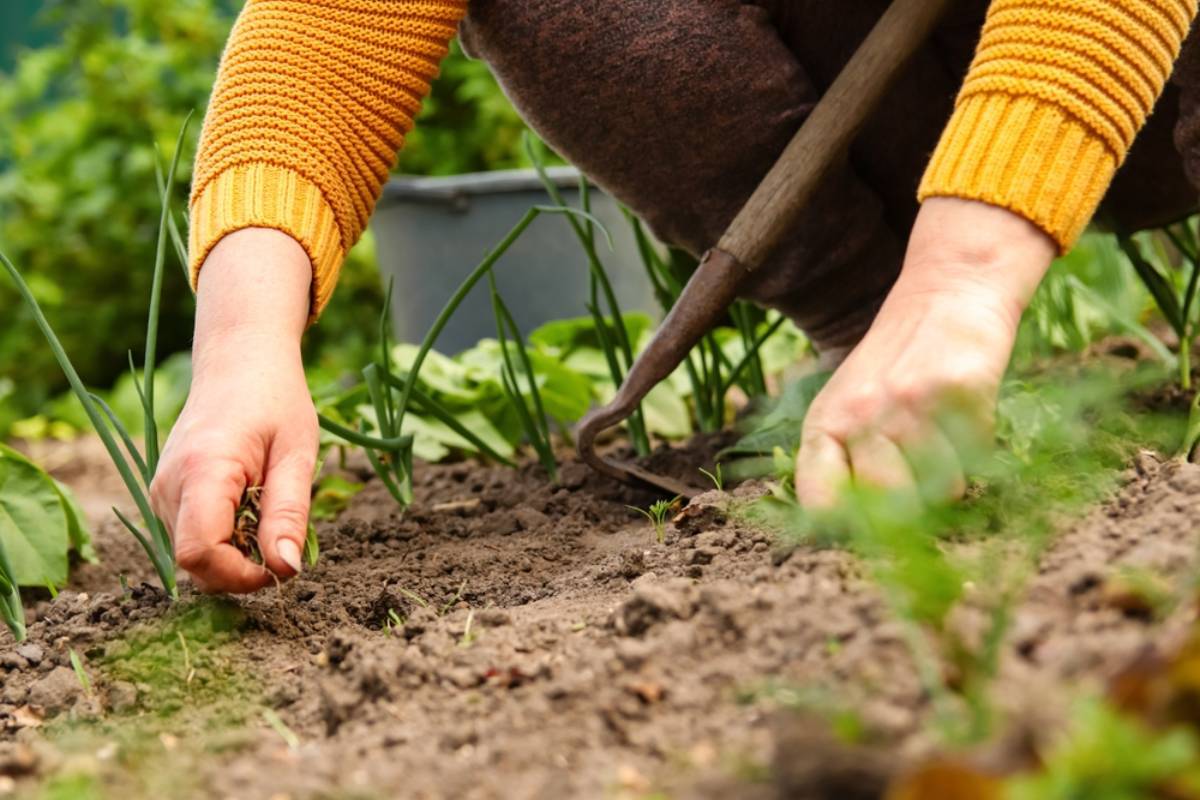
At first, the problem appeared to be an ordinary gardening nuisance that could be solved with a little digging and some patience. Strange plants had suddenly begun appearing throughout one of the plots, and they looked suspiciously like stinging nettles. With no interest in letting an invasive patch take over the carefully maintained beds, the gardener rolled up their sleeves and began pulling them out.
The Mysterious Plants Were Not Weeds After All
Removing the mystery plants took considerable effort, especially because they seemed to be spreading faster than expected. The gardener assumed they were troublesome nettles and believed the unpleasant task was simply part of maintaining a healthy growing space. Little did they know that the real culprit was growing right next door, sending unwanted greenery across the invisible boundary between two plots.
The neighboring gardener had a large raspberry bush, and the suspicious newcomers turned out to be raspberry suckers spreading from that plant. Raspberry bushes can send up new shoots from underground roots, allowing them to appear some distance from the original plant. What looked like a weed problem was actually a boundary problem, and discovering the truth did not make the situation nearly as simple as it should have been.
The Garden Coordinator Was Also the Neighbor
The owner of the sprawling raspberry bush was not just another gardener tending her own patch. She had recently become the community garden coordinator, giving her a position of responsibility over the shared growing space and its rules. That combination made the situation particularly awkward because the person whose plants were spreading into another plot was also the person expected to help keep the garden running smoothly.
The gardener contacted the coordinator to ask whether she intended to harvest the berries or cut back the overgrowth. It seemed like a reasonable question that could have led to a quick conversation about pruning, root spread, and keeping neighboring plots clear. Instead, the exchange took a surprising turn when the coordinator revealed that she had already entered the gardener’s plot and dug up several raspberry shoots herself, without asking permission.
Six Raspberry Shoots Sparked a Much Bigger Dispute
The gardener was upset to learn that someone had entered their personal growing space and removed plants without permission. The concern was not simply whether the raspberry shoots belonged to the neighboring bush, but whether the coordinator had the right to enter another person’s assigned plot whenever she decided something needed fixing. The gardener believed that even a well-intentioned attempt to remove unwanted growth should have started with a conversation.
Rather than offering a straightforward apology, the coordinator reportedly insisted that the raspberry shoots belonged to her because they had originated from her plant. She also became defensive about the challenge to her actions, turning a practical gardening concern into an argument about ownership and authority. For the gardener, the issue had now grown far beyond six unwanted shoots, because the person responsible for helping resolve the disagreement was making it harder to resolve.
A Private Gardening Disagreement Becomes Public
Things escalated when the coordinator brought the county supervisor into the dispute. What could have been settled between two neighboring gardeners began spreading through the community garden’s email discussions, drawing in people who had not originally been involved. The gardener felt increasingly overwhelmed as a disagreement about raspberry roots became a debate over rules, behavior, and who was supposedly in the wrong.
The coordinator reportedly referred to the garden rulebook and warned that the town office manager could return people’s money if they did not follow the rules. The gardener, meanwhile, believed the coordinator was enforcing expectations selectively while overlooking the problems caused by her own sprawling raspberry bush. With official-sounding messages piling up, the growing season was beginning to feel less like a peaceful gardening hobby and more like an exhausting administrative dispute.
The Gardener Raises Concerns About Unfair Treatment
The gardener also believed that the coordinator’s behavior carried racial undertones and worried that another gardener from a different cultural background might have been treated differently. That concern added another painful dimension to an already difficult disagreement, making the conflict feel personal rather than simply horticultural. When the gardener raised the issue, the coordinator reportedly called the accusation inflammatory.
The gardener felt that their concerns about boundaries, respect, and unequal treatment were being dismissed rather than addressed. It is not possible to establish another person’s motives from the account alone, but the gardener clearly believed that their cultural heritage was relevant to how the conflict had unfolded. With trust deteriorating, even a basic conversation about pruning a raspberry bush had become something the gardener dreaded.
Other Gardeners Stayed Quiet While the Emails Continued
The coordinator’s position made the dispute especially uncomfortable for people who wanted to speak up. According to the gardener, only two people publicly responded during the lengthy email exchange, and both appeared supportive of the coordinator. The silence from other members left the gardener feeling isolated, even though some later admitted privately that they thought the coordinator’s behavior was wrong.
One response from a person highlighted the concern that gardeners should not plant raspberries or other potentially invasive plants if they were likely to spread into neighboring plots. The gardener pointed out that such a warning supported the need for clearer guidelines, even if it was being presented as a casual observation rather than an enforceable rule. Unfortunately, identifying a sensible solution was one thing, while persuading the person running the garden to accept it was quite another.
A Root Barrier Could Help, but It Would Not Fix Everything
Other people suggested practical ways to contain the raspberry growth, including installing a root barrier or some form of garden boundary. Such measures can help restrict the spread of raspberry suckers, although their effectiveness depends on the plant, the barrier’s depth, and how thoroughly the roots are contained. In a community garden, however, the gardener could not necessarily dig trenches, install permanent fencing, or make substantial changes without permission.
Another response from a person suggested reviewing the garden’s rules to see whether they addressed spreading perennial plants. That suggestion offered a more realistic starting point because the issue affected shared land where individual gardeners might have limited control over structures and landscaping. The gardener also wanted the rules to explicitly prohibit entering another person’s plot without permission, something they had previously assumed every member would understand without needing it written down.
The Gardener Proposes a Committee to Restore Order
The gardener eventually suggested revisiting the community garden’s guidelines and introducing a clear rule against unauthorized entry into another person’s growing space. They also proposed reinstating an earlier system in which a three-member committee could help resolve disagreements. A committee would provide a more balanced way to handle disputes than leaving one coordinator to make decisions about conflicts in which she was personally involved.
However, the gardener felt that meaningful changes were unlikely during the current season because the coordinator had already involved the county supervisor. The proposals were practical, but they required cooperation from the very leadership structure that had become the source of the gardener’s frustration. For the moment, the person who wanted nothing more than to grow plants was left trying to manage both an unruly raspberry invasion and an increasingly uncomfortable social environment.
The Coordinator’s Explanation Made Things Even More Uncomfortable
The most unsettling part of the story came when the gardener described how the coordinator had supposedly explained her earlier visit. According to the account, the coordinator said she could have entered the plot, removed the unwanted raspberry shoots, smoothed the soil, and left without the gardener ever knowing. She presented the fact that she had disclosed her actions as a reason she should be viewed more favorably.
The gardener found that explanation deeply troubling because it suggested an approach to other people’s property that they could not accept. Rather than reassuring them, the statement reinforced their belief that the coordinator did not understand why consent mattered in the first place. The gardener also explained that they routinely photographed their plots to record their plants’ progress, not to catch anyone doing something wrong, which made the idea of an undisclosed visit particularly upsetting.
A Garden Record Becomes a Source of Reassurance
Taking photographs had originally been an ordinary part of the gardener’s routine. Pictures helped track growth, document changes, and remember how the beds had developed over time. After the dispute, that simple habit also provided a record of what the gardener had planted and what their plots looked like during the season.
The gardener did not describe the photographs as a plan to confront the coordinator or start another argument. Instead, they appeared to offer a small sense of control in a situation that had become emotionally draining. When trust in a shared gardening space starts to disappear, even routine activities can take on a different meaning, and the gardener was increasingly focused on preserving peace wherever possible.
The Raspberry Bush Grew While the Conflict Continued
After stepping away from the unpleasant email discussions for a while, the gardener eventually returned to the community garden. The raspberry bush next door had become enormous, with vigorous growth reaching into the neighboring plot and new shoots appearing across the boundary. The gardener once again faced the task of pulling out unwanted plants, despite having already explained how much work the spread was creating.
This time, the gardener asked the coordinator to prune the bush back rather than entering the neighboring plot again. The coordinator reportedly refused to trim it at that point, saying she planned to thin the raspberries in the fall after harvesting them. That response left the gardener facing several more months of unwanted growth, with no immediate relief from the plant that had helped trigger the entire dispute.
The Gardener Was Told to Remove the Problem Personally
The coordinator reportedly suggested that the gardener could simply dig out the raspberry suckers that appeared in their plot. She also offered the discarded plants as something the gardener could move onto the raspberry beds, effectively leaving the extra work to the person whose garden was being invaded. From the gardener’s perspective, this was particularly frustrating because the problem originated from a bush growing in someone else’s assigned space.
Raspberry roots can be persistent, and removing visible shoots does not necessarily eliminate the underground network that produces them. Without better containment or consistent maintenance, new shoots may keep returning even after individual plants are pulled out. The gardener understood that the practical work might continue, but the greater frustration was being expected to absorb the consequences of a problem they had not created.
An Unexpected Second Incident Makes the Garden Feel Less Welcoming
The raspberry dispute was not the only upsetting experience the gardener described. On another occasion, someone entered the garden and pulled out the gardener’s flowers, even though the gardener had cleared the plot and deliberately left those plants behind to collect later. The loss was heartbreaking because the flowers had been left intentionally, and the gardener had expected to return for them.
By then, the gardener felt that the atmosphere surrounding the plots had become hostile. They believed the coordinator’s conduct had contributed to a situation in which their space and their choices were not being respected, while their concerns about cultural prejudice remained unresolved. The gardener was determined not to be bullied out of the community garden, but that determination did not erase the sadness of returning to find carefully tended plants gone.
Five O’Clock Gardening Becomes the Gardener’s Escape Plan
Rather than spending more time arguing, the gardener found a way to make the plots enjoyable again. They began arriving around five in the morning, working for a couple of hours before most other people arrived, and leaving while the garden was still relatively quiet. The early schedule offered solitude, fewer uncomfortable encounters, and a chance to concentrate on the simple pleasures that had inspired the gardener to join in the first place.
That routine became a practical way to protect their peace without giving up the garden. The gardener admitted that avoiding the coordinator was preferable to continuing a conversation that seemed unlikely to lead anywhere productive. There was no dramatic confrontation or sudden agreement, just an early alarm, a quiet plot, and a few precious hours in which gardening could feel like gardening again.
The Real Lesson Was About Boundaries, Not Just Berries
The story began with unfamiliar plants that looked like invasive weeds, but the deeper conflict was about how people share a growing space. Raspberry bushes can spread aggressively, and clear planting rules, root containment, and regular maintenance can prevent many neighboring-plot disputes before they begin. Equally important, community gardens depend on mutual respect, including the basic expectation that members will not enter one another’s plots or remove plants without permission.
The gardener’s experience showed how quickly a small horticultural problem can become much bigger when communication breaks down and authority becomes part of the disagreement. A response from a person suggested that the coordinator might eventually face criticism from other members, especially if the garden’s rules were revised or leadership changed in a future season. For now, the gardener chose an altogether different kind of solution: protecting their time, tending their plants in the early morning, and refusing to surrender a beloved hobby because of a neighbor’s behavior.