A Man Spent Twenty-Five Years Growing the Same Tomato Variety His Late Father Smuggled Seeds for During a Move Overseas, Then Customs Flagged His Garden During a Random Inspection
For twenty-five years, Daniel Mercer had grown the same unusual tomato variety in the backyard of his Ohio home. The seeds had come from his late father, who had carried them through an overseas move when the family was rebuilding their life in the United States. Daniel never expected that a routine customs investigation would eventually turn his quiet family tradition into a problem involving his entire garden.
The Envelope Behind the Old Toolbox
Daniel found the original envelope when he was sixteen, tucked behind a rusted toolbox in his father’s garage. It was small, yellowed, and folded twice, with a handwritten note that simply said, “Keep these going.”
Inside were several dozen tomato seeds wrapped in wax paper. His father, Robert, had never been sentimental about possessions, but he became unusually serious whenever Daniel asked about those seeds.
“Those came with us,” Robert told him. “Your grandmother grew them before we ever came here.”
Daniel did not understand why his father guarded them so carefully. To him, they were just seeds.
His Father Finally Told Him the Story
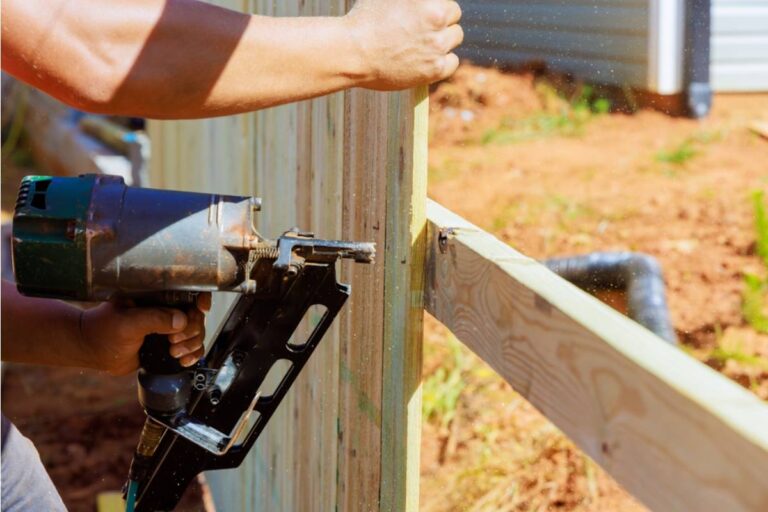
Years later, while Daniel was helping his father repair a fence, Robert finally explained where the seeds had come from. The family had been living abroad when political unrest and a job opportunity forced them to relocate to the United States, and Robert had packed only a few personal belongings.
He had wanted to bring the tomato seeds because they reminded him of his mother’s garden. During the move, he had hidden the tiny packet inside a sewing box because he was afraid someone would throw it away as worthless.
“I didn’t know if they’d grow here,” Robert said. “I just knew I couldn’t leave them behind.”
Daniel remembered the way his father’s hands rested on the fence when he said it. There was something about the story that made the seeds seem far more important than their size suggested.
The First Plant Nearly Died
Daniel planted his first seeds in a small patch behind the family house when he was twenty-one. Only two germinated, and one disappeared after a rabbit got through the garden fence.
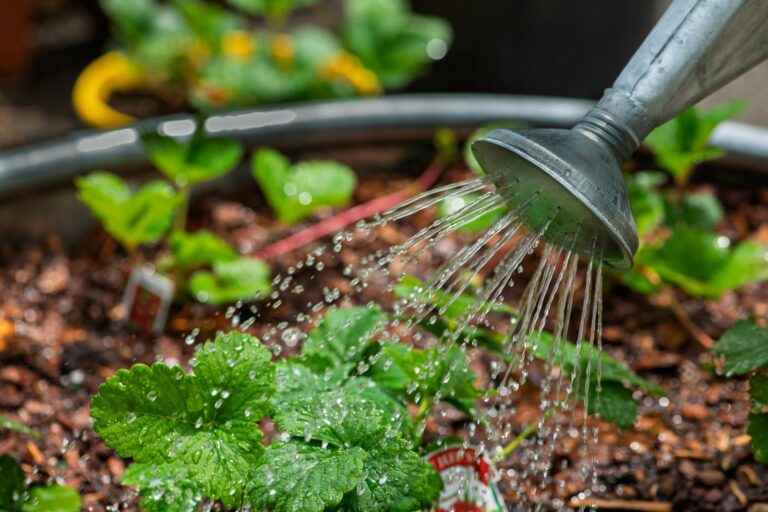
The remaining plant looked sickly for weeks. Daniel watered it carefully, protected the stem with a makeshift wire cage, and checked it every morning before leaving for work.
When the first tomato finally appeared, his father came outside carrying an old kitchen knife. Robert cut the tomato open at the table and took one bite.
He smiled before saying anything.
“That’s it,” he whispered.
Daniel had never tasted anything like it. The tomato was sweet, slightly acidic, and much more fragrant than the supermarket varieties they usually bought.
Robert Made Him Promise One Thing
That winter, Robert gave Daniel a small notebook. Inside were handwritten instructions about saving seeds, choosing the strongest plants, and keeping several plants growing every year.
On the first page, Robert had written, “Never let the line disappear.”
Daniel thought the wording was dramatic. His father simply shrugged when Daniel asked what it meant.
“One day you’ll understand,” Robert said.
Robert died several years later, leaving Daniel the notebook, the original seeds, and a garden tradition Daniel had begun to take more seriously than he expected.
The Garden Became a Family Ritual
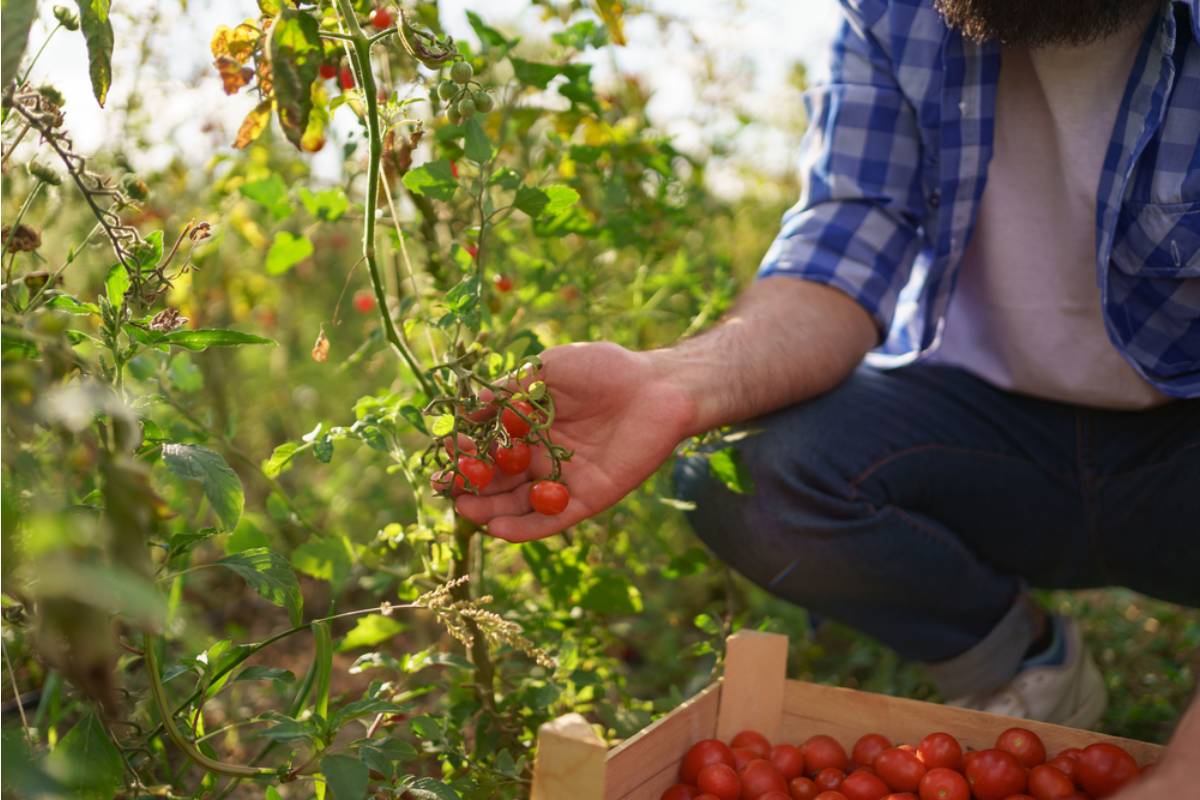
For the next two decades, Daniel saved seeds from the healthiest tomatoes and planted them again the following spring. He never sold them and rarely gave them away, partly because the supply was limited and partly because the variety had become connected to his father’s memory.
His wife, Claire, initially thought the obsession was excessive. She changed her mind after tasting the tomatoes herself.
“You realize you could probably grow regular tomatoes like everyone else,” she joked one summer.
Daniel grinned. “Then I’d be growing regular tomatoes.”
Their children grew up eating the fruit straight from the garden. Eventually, even their neighbors knew about the strange old-fashioned tomatoes that appeared every summer in Daniel’s backyard.
The Garden Expanded After His Father Died
As Daniel became more experienced, he built raised beds and a small greenhouse behind the house. He labeled each row with the year the seeds had been saved and kept detailed notes about which plants produced the best fruit.
He also started maintaining a backup collection of seeds in sealed containers indoors. He wanted to make sure that one bad growing season could never destroy the family line.
By then, the tomato had become almost a living family heirloom.
Daniel occasionally wondered whether his father would have found that amusing.
The Letter Arrived Without Warning
The first sign of trouble came in the form of an official letter from U.S. Customs and Border Protection. Daniel initially assumed it was related to a package he had recently ordered for his gardening equipment.
Instead, the letter referenced agricultural material and requested information about plant material associated with his property. It explained that his address had been selected as part of a routine agricultural compliance investigation.
Daniel read the letter twice.
Then he walked outside and stared at the greenhouse.
“What on earth do they want with my tomatoes?” he asked.
Claire looked over from the kitchen window.
“I hope you’re joking.”
An Inspector Asked About the Seeds
A few days later, an agricultural inspector arrived at the house. Daniel expected someone to glance around the garden and leave, but the inspector carried a folder with photographs and notes.
She introduced herself as Melissa Grant and asked Daniel whether he maintained plants grown from seeds originally brought from outside the United States.
Daniel immediately thought of his father.
“Yes,” he said.
Melissa looked at him carefully.
“Do you know where those seeds originally came from?”
Daniel nodded.
He suddenly wished he had never answered.
The Old Story Became Evidence
Daniel brought out his father’s notebook and explained everything he knew. He showed Melissa the original envelope, the handwritten note, and photographs of the plants dating back more than twenty years.
Melissa examined the envelope without touching it.
“Do you have any documentation showing how these seeds entered the country?”
Daniel laughed nervously.
“My father brought them when we moved. That was twenty-five years ago.”
Melissa did not laugh.
“I understand,” she said. “But that doesn’t automatically answer the question.”
Daniel felt a knot forming in his stomach.
They Marked Several Plants
The inspector walked through the garden and placed small identification tags beside several plants. She collected leaf samples and asked Daniel to point out which plants had been grown from saved seeds.
When she reached the oldest section of the greenhouse, Daniel became visibly protective.
“Please don’t pull those,” he said.
Melissa stopped.
“We’re not here to destroy your garden,” she said. “But we need to determine what we’re dealing with.”
Daniel nodded, although his hands were shaking.
Those plants represented twenty-five years of careful work.
A Second Official Arrived
The situation became more serious when another agricultural specialist arrived later that afternoon. He carried a tablet and asked Daniel questions about the original country where the seeds had been obtained.
Daniel knew the country but was uncertain about the exact region.
His father had never written it down.
The specialist exchanged a look with Melissa before asking whether Daniel had ever distributed the seeds outside his household.
“No,” Daniel said.
Then he hesitated.
“I gave some to my sister once.”
“Where does she live?”
Daniel suddenly realized how complicated the situation could become.
His Sister Had the Missing Piece
Daniel’s sister, Rachel, lived in another state and had received seeds from him several years earlier. She had grown them in her own backyard and saved another generation of seeds.
When Daniel called her, she immediately knew something was wrong.
“Did Dad’s tomatoes get you in trouble?” she asked.
Daniel was stunned.
“How did you know?”
Rachel laughed nervously and said she had recently found another letter from their father among their mother’s belongings.
The letter contained a detail Daniel had never seen.
Their father had written down the name of the agricultural station where his mother originally obtained the tomato seeds.
The Investigation Took an Unexpected Turn
Rachel photographed the letter and sent it to Daniel. The agricultural specialist studied the document and then searched the name in his records.
The tomato variety appeared to be an old regional cultivar that had been grown in family gardens for generations. There was no evidence that the seeds carried the agricultural threat the inspectors had initially been concerned about.
But there was another issue.
The original seeds had entered the country without the required documentation.
Daniel stared at the inspector.
“So the plants are safe, but the way they got here wasn’t?”
“That’s essentially what we’re determining,” Melissa replied.
Daniel felt both relieved and frustrated.
The Old Envelope Was Not Enough
The officials explained that the age of the seeds did not automatically make the original importation lawful. Agricultural regulations existed to prevent pests, diseases, and invasive organisms from entering the country, and authorities could still investigate plant material that had arrived without proper documentation.
Daniel looked at the greenhouse through the window.
“I didn’t bring them here,” he said quietly.
Melissa nodded.
“I know. But you’re the person maintaining them now.”
That distinction stayed with him.
For the first time, Daniel understood that his family’s private history could intersect with regulations he had never considered.
The Tomatoes Were Tested
Several weeks passed while laboratory testing was completed. Daniel was instructed not to distribute seeds from the affected plants while the investigation remained open.
That was harder than he expected.
A neighbor who had received tomatoes from him for years stopped by with an empty basket and asked whether there would be any this season.
Daniel shook his head.
“Not until I know what’s happening.”
The neighbor frowned.
“Are they dangerous?”
Daniel looked toward the greenhouse.
“I don’t think so.”
Then he added, “But I don’t get to decide that.”
The Results Changed Everything
The final testing found no evidence that the plants carried the agricultural pests or pathogens that had prompted the investigation. The variety itself was not considered an invasive species, and there was no indication that Daniel’s garden posed a threat to surrounding crops.
The officials cleared the existing plants under specific conditions.
Daniel could finally breathe again.
But there was still one part of the process he could not ignore.
He was told that future distribution of the seeds would need to comply with applicable plant-material regulations.
Daniel Read His Father’s Notebook Differently
That evening, Daniel sat at the kitchen table with his father’s notebook open in front of him. He reached the sentence Robert had written decades earlier: “Never let the line disappear.”
For years, Daniel had interpreted those words as a promise between a father and son.
Now they seemed different.
Keeping the family tomato alive did not necessarily mean secretly passing seeds from one backyard to another. It could mean documenting the variety, preserving its history, and making sure the next generation could grow it without repeating the mistakes of the past.
The Garden Survived the Inspection
The following season, Daniel planted the tomatoes again. This time, every seed packet contained detailed information about the variety’s history, the source of the original seeds, and the family’s twenty-five-year record of cultivation.
He also contacted a local agricultural extension office to learn how to preserve the variety properly and legally.
When the first ripe tomato appeared, Daniel carried it inside and placed it on the kitchen counter.
Claire looked at it and smiled.
“Your dad would have been proud.”
Daniel picked it up and turned it over in his hand.
“Yeah,” he said. “But he’d probably tell me to keep better paperwork.”
The Old Tradition Continued Differently
Daniel eventually gave a small number of seeds to his children through an arrangement that followed the guidance he had received from agricultural officials. He also kept copies of his father’s notebook and the original envelope in a protective archive.
The strange inspection had changed the way he thought about the garden. What had once felt like a simple family tradition now felt like the preservation of a tiny piece of history that deserved to be handled carefully.
Every summer, Daniel still walked through the rows before breakfast.
He still looked for the first red tomato.
And every time he found one, he remembered his father standing beside that first plant decades earlier, cutting open the fruit with an old kitchen knife and quietly saying, “That’s it.
The seeds had crossed an ocean hidden inside a sewing box. They had survived a new country, a grieving family, countless growing seasons, and an unexpected government inspection.
Daniel finally understood what his father had meant.
Some things are worth preserving, but preserving them also means knowing exactly what you are carrying forward.