A Widow Bought a $35,000 Fixer-Upper Across From the Ocean and Started Turning Her Side Yard Into a Food Forest, Then Revealed the Part of Her New Life That Had Finally Begun to Bloom
A person shared her story about life several years after losing her partner, hoping to offer encouragement to people who were still navigating the earliest stages of grief. Rather than focusing only on what she had lost, she wanted to talk about the unexpected ways her life had changed and the things she had slowly begun rebuilding. Her update included a new home, an almost-finished degree, new friendships, and a gardening project that was turning her side yard into something special.
She admitted that things were going pretty well after four and a half years, although not every part of her life had fallen into place. She had started trying new projects and was making decisions based on what she wanted for her future. Yet one detail stood out among all the progress she described: while her garden was growing, her romantic life was taking a very different direction.
The $35,000 House Across From the Ocean Was Just the Beginning
One of her biggest changes was purchasing a house across the street from the ocean for just $35,000. The property needed work, so it was hardly a move into a perfectly finished dream home with everything arranged and ready. Still, it gave her a new place to shape according to her own needs, interests, and plans.
For someone rebuilding life after losing a partner, a house full of unfinished projects might sound like another burden. However, she seemed willing to take on the challenge and make the property her own. The house represented a fresh chapter, and its unfinished spaces offered opportunities to create something that had never existed there before.
Her Side Yard Was Becoming a Food Forest
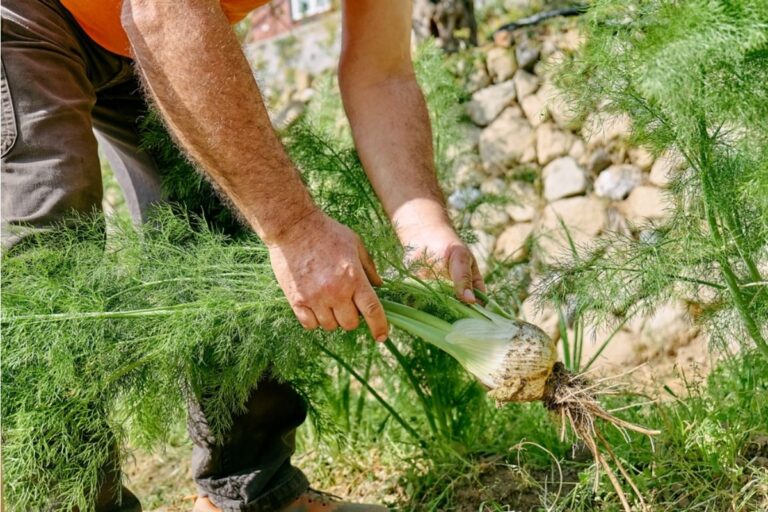
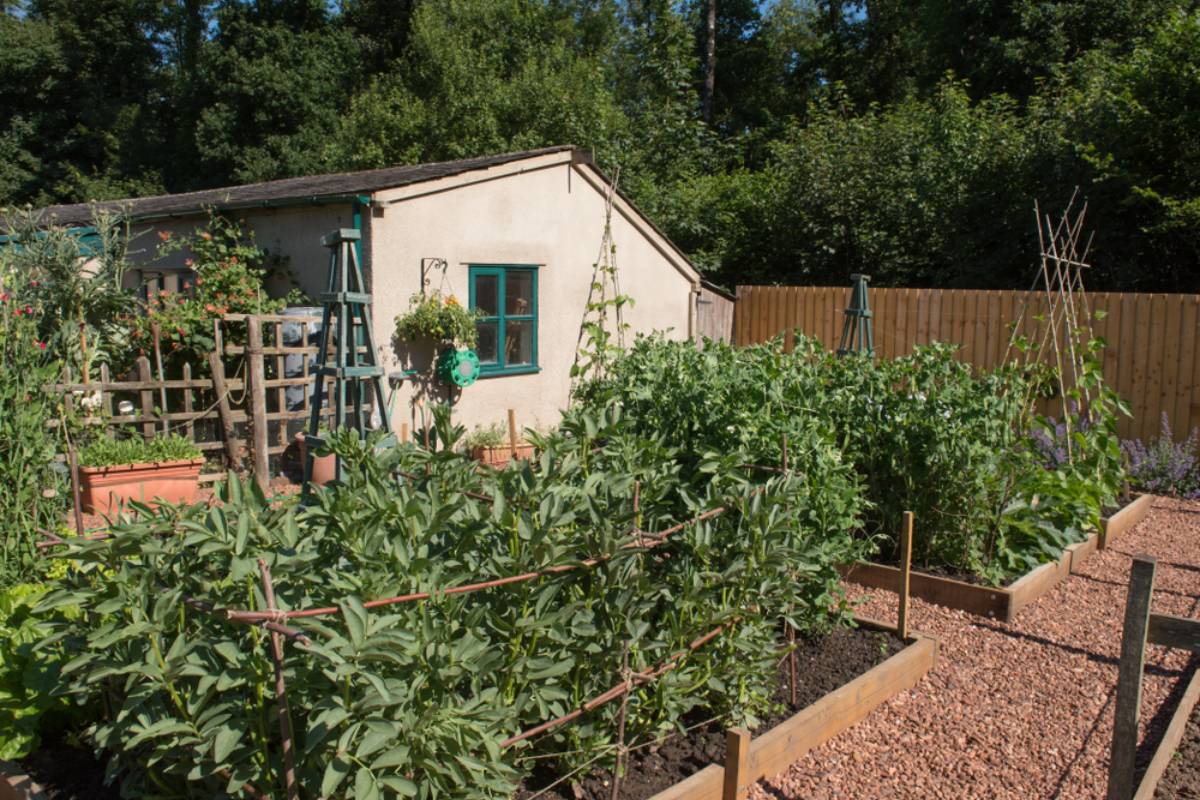
Among her projects, one of the most interesting was turning the side yard into a food forest. Rather than leaving the space as an ordinary patch of lawn or an area that did little beyond collecting weeds, she had decided to develop it into a productive garden. The project gave her something practical to work toward while she settled into her new surroundings.
A food forest is a gardening approach that brings together edible plants and different layers of vegetation to create a productive landscape. Building one takes patience, planning, and a willingness to let plants develop over time, especially when the starting point is an unfinished yard. For her, the project was another opportunity to turn an empty space into something useful and personally meaningful.
Gardening Was One of the Things She Chose to Keep
When she described the parts of her former life that had stayed with her, gardening was among the hobbies she continued enjoying. She also mentioned watching the news, suggesting that not every familiar part of life needed to disappear after such a profound loss. Some routines can remain valuable even when almost everything around them changes.
Gardening offers small, tangible rewards that do not require a person to have everything figured out. A plant can put out a new leaf, seeds can germinate, and a previously bare patch can gradually fill with greenery. Those changes cannot erase grief, but they offer something concrete to care for while the rest of life continues to evolve.
Returning to School Gave Her Another Goal to Work Toward
The garden was not her only long-term project, because she had also returned to school. She shared that she expected to graduate in just one more quarter, bringing her close to finally earning a degree. After everything she had experienced, reaching the end of such a substantial commitment was another important milestone.
Going back to school requires more than simply deciding to enroll, particularly when someone is also managing a home and trying to rebuild a social life. It means finding time to study, completing assignments, and continuing even when motivation is difficult to summon. Her progress showed that the next chapter of her life was not limited to gardening or getting through each day, but also included ambitions she wanted to accomplish for herself.
She Started Looking for New Friendships Outside the Garden Gate
Another step toward building a different life involved joining the Junior League because she wanted to make new female friends. Moving forward after losing a partner can leave social routines feeling unfamiliar, especially when many activities were once shared with someone else. Rather than waiting for new connections to appear on their own, she decided to put herself in situations where friendships might develop.
Her decision was a reminder that creating a fulfilling life often involves planting seeds in several places at once. The food forest offered a project she could work on at home, while joining an organization offered a chance to connect with other people. Neither guaranteed that everything would suddenly become easy, but both created opportunities for something new to grow.
Her Dating Life Was Not Growing Quite as Quickly
Despite the progress in other areas, she had a much less enthusiastic assessment of her dating life. She joked that online dating was terrible and described her romantic prospects as something of a running joke. After buying a home, returning to school, and pursuing new friendships, she had not found the same level of satisfaction in dating.
The contrast was striking because so many parts of her life were moving forward. Her education was nearing completion, her home offered new possibilities, and her garden had become an ongoing project. Yet romance refused to follow the same timetable, proving that personal progress rarely happens at an identical pace in every area of life.
A Response From a Person Showed That Progress Can Feel Complicated
A response from a person who had been widowed for a little over two and a half years offered another perspective on rebuilding life. They described feeling better after leaving a stressful job, even though the change had happened through an unexpected layoff. They also explained that therapy had helped them work through some of the more painful memories associated with losing their partner.
Their story showed that positive change does not always arrive in a form people would deliberately choose. Losing a job can bring financial uncertainty, but escaping an unhealthy work situation can also provide relief. Much like a neglected garden that finally receives attention after an unexpected change, a difficult transition can sometimes create room for a healthier routine.
Pets Had Become Important Companions Along the Way
The same response also described a beloved cat that had belonged to the person’s late partner. The animal had provided comfort through some of the most difficult periods, becoming a treasured connection to a life that had changed dramatically. Although the person was considering what dating might look like in the future, that familiar companionship remained deeply important.
Another response from a person described how a dog and a cat had helped them through some of their darkest days after their partner died. Sadly, the cat eventually had to be put down because of cancer, although it had lived to the age of 18. These experiences showed that the daily responsibility of caring for another living creature can become an important source of comfort during an otherwise lonely period.
One Widower Continued the Neighborhood Tradition His Wife Started
One particularly moving response came from a person whose wife had died years earlier. Even though nearly 11 years had passed, he said he still thought about her regularly and continued organizing an annual neighborhood event that she had originally started. The gathering attracted around 300 people, allowing a tradition she had created to remain part of the community.
His story offered a different example of keeping something alive after losing a loved one. Instead of preserving only private memories, he continued an activity that brought other people together and maintained a familiar part of neighborhood life. Although the tradition was not a gardening project, its connection to the past resembled the way a gardener might care for a perennial plant that returns season after season.
New Relationships Did Not Always Understand the Importance of Old Memories
The same person also described the difficulties that sometimes arose when he began dating again. He explained that a few partners had been uncomfortable with the photographs and memories he kept of his late wife, interpreting them as signs that he had not moved forward. He disagreed with that interpretation and described the difficulty of balancing a meaningful past with the possibility of a new relationship.
His experience highlighted an uncomfortable reality: people do not always agree on what moving forward should look like. For one person, holding on to photographs and continuing familiar traditions may feel natural, while another may struggle to understand their significance. Just as a new garden does not require every old tree to be removed, building a different future does not necessarily mean erasing everything that came before.
Some People Found Happiness Without Making Dating a Priority
Not every response treated finding another partner as the main measure of recovery. The woman who had purchased the oceanfront house made it clear that she was becoming comfortable being on her own, even while joking about the state of her dating life. Her story suggested that companionship could be valuable without being a requirement for feeling content with everyday life.
Other responses revealed equally different approaches to relationships. Some people were dating casually, some hoped to find a long-term partner, and others had little interest in pursuing romance at all. The variety of experiences made one thing clear: there was no single timetable everyone was expected to follow, and nobody needed to make their life resemble someone else’s to prove they were doing well.
Eleven Years Later, Life Still Had Good Days and Difficult Ones
Another response came from a person who described years of profound unhappiness after losing their partner. Eventually, changes in their employment, an improved financial situation, and attention to their health helped them regain some stability. They also described returning to exercise and finding new ways to enjoy life, even while acknowledging that not every day was easy.
Their experience added another dimension to the conversation because it showed that recovery can take much longer than people expect. Major improvements might arrive after years of difficulty, and even then, ordinary frustrations do not magically disappear. The important change was that life had gradually become more manageable and offered new reasons to look ahead.
The Food Forest Reflected the Kind of Future She Was Building
Returning to the woman and her side-yard project, the food forest stood out as one of the clearest examples of her changing priorities. She was investing effort in a space that needed attention, knowing that its development would take time rather than delivering an instant reward. The project also fitted neatly alongside her other plans, from finishing school to meeting new people and trying unfamiliar activities.
There was no indication that the garden had solved her grief or that she had started it solely to honor her partner. Instead, gardening was one of the hobbies she had kept while building a life that increasingly belonged to her own present and future. That distinction made the project meaningful in its own way, because a person can preserve familiar interests while still discovering new ones.
The Biggest Surprise Was That She Was Happy on Her Own
At first glance, the woman’s update seemed to be about a cheap house, a degree that was almost finished, new friendships, and a garden that was taking shape. Her disappointing dating experiences might have appeared to be the one unresolved problem in an otherwise encouraging account. But her final assessment revealed something unexpected: she was becoming genuinely happy by herself.
That did not mean she had stopped valuing relationships or that she would never want another partner. It meant that her happiness was no longer dependent on finding someone to fill the space left by her loss, and she was learning to enjoy the life she was creating. Her story offered a gentler kind of twist, showing that a person can make real progress without every part of the future unfolding according to plan.
Sometimes the Most Important Thing Growing Is the Life Around the Garden
The woman’s story began with a question about how people were doing years after losing their partners, but the answers revealed a wide range of ways people continued living. Some returned to school, some changed jobs, some maintained neighborhood traditions, and others found comfort in pets or new relationships. Gardening appeared as one of the steady interests that could remain part of life while other things changed.
Her food forest was still a work in progress, much like the rest of her new chapter. The house needed attention, her studies were approaching their finish line, and dating remained an unpredictable adventure rather than a neatly resolved story. Yet she was building a future with room for projects, friendships, and personal happiness, proving that a life can keep growing even after it has been changed by an enormous loss.