A Family Under Contract for the $80,000 Lot Beside Their House Found Out That Keeping the Woods Next Door Would Mean Buying Three Lots
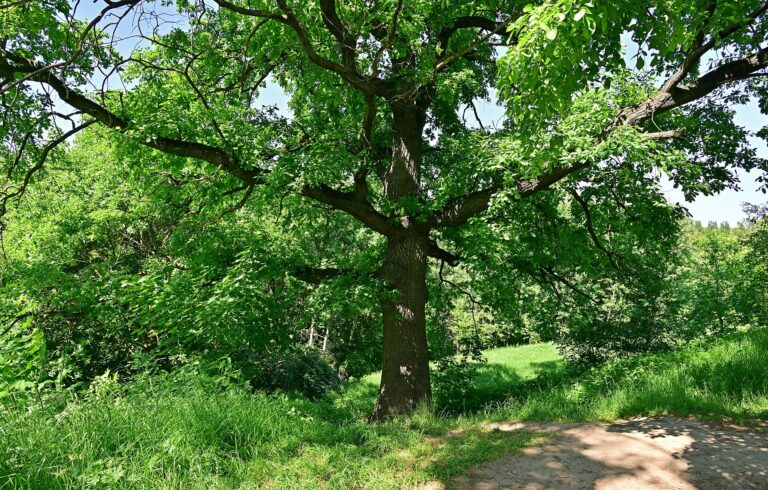
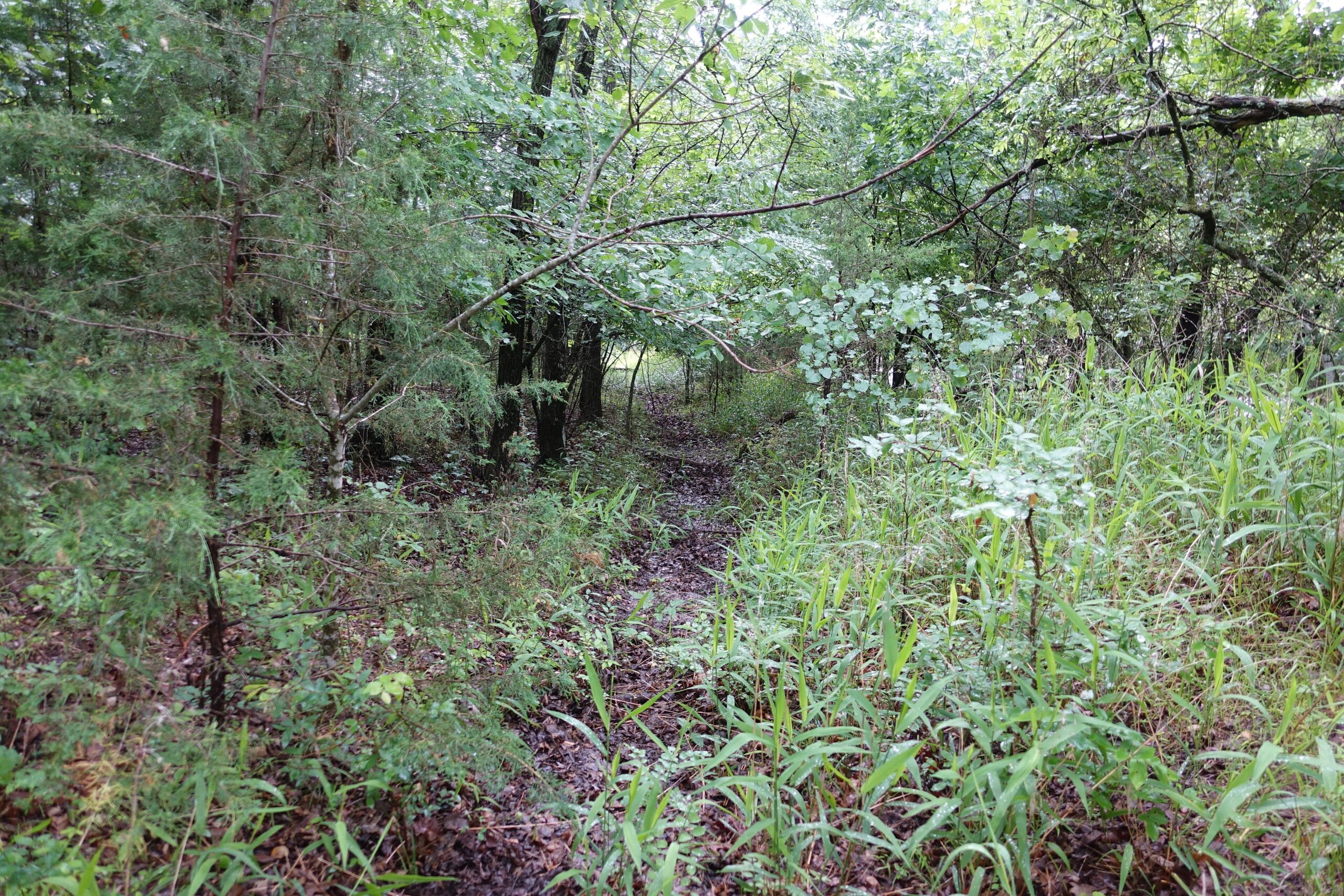
A family thought they had found a simple way to protect the trees beside their house: buy the empty lot next door. They went under contract on it for $80,000. Then they learned the wooded strip between their home and the neighbors’ doesn’t sit on one parcel. It sits on three.
The family’s dilemma was written up by The Cool Down, which reported that keeping the whole stretch of woods would mean buying all three lots, a price the family said their savings can’t carry right now.
One lot under contract, two more to go
According to The Cool Down, each of the three parcels measures 6,969 square feet. The family is under contract for one at $80,000, and the closest of the others was listed at $85,000.
The family member who shared the account said buying two lots would strain their finances and cut into the money they are setting aside for early retirement under the FIRE plan, short for financial independence, retire early. Buying all three, they said, was out of the question for now.
That leaves an uncomfortable question. If they stop at one lot, the trees on the other two could someday be cleared for new houses, and the buffer the family wanted could shrink to a single parcel.
What other homeowners told them to check
People who responded to the family offered practical steps, The Cool Down reported. One suggested getting a survey and marking the lot corners so any future buyer or builder could see exactly where the property line runs. Another suggested checking county GIS maps and the legal descriptions on the deeds to confirm where each parcel sits.
A third raised a point that could change everything: whether wetland or tree-preservation rules might limit building on the remaining lots. If the land can’t easily be built on, the trees may be safer than they look.
Not everyone urged caution. One commenter argued that someone on the FIRE path shouldn’t hesitate, since the family loves the area and owning the land would keep neighbors off that side for good.
Why the wetland question matters
Federal law does reach some residential land. The U.S. Environmental Protection Agency says Section 404 of the Clean Water Act requires a permit before dredged or fill material may be discharged into waters of the United States, including wetlands. Individual permits are reviewed by the U.S. Army Corps of Engineers or an approved state or tribal program.
The EPA’s wetland definition covers more ground than many homeowners expect: areas where water covers the soil or sits at or near the surface all year, or for varying periods during the year, including the growing season. Wooded swamps and the margins of ponds count.
Whether any of that applies to these three lots is unknown. The account doesn’t say where the family lives, and no survey or wetland finding has been reported. It is the kind of thing a county office or a surveyor could answer before the family spends another dollar.
What a strip of woods is worth to a house
The family’s instinct to hold on to the trees has some numbers behind it. The U.S. Forest Service says urban forests reduce noise, provide shade, help conserve energy and add economic value to communities.
The Arbor Day Foundation points to a Portland, Oregon, finding that homes with street trees sold for an average of $7,130 more and 1.7 days faster than homes without them. It also says properly placed trees can cut air-conditioning needs by 30%.
None of that makes three lots affordable. For now the family has one parcel under contract, two more owned by someone else, and a decision about how much of their retirement fund a stand of trees is worth.
This article was produced with AI assistance and edited for accuracy against the sources linked above.
Image: NPS – Public domain/Wikimedia Commons