Missouri Extension’s David Trinklein Names Turnip, Rutabaga, Parsnip, Salsify and Jerusalem Artichoke as Cold-Hardy Root Crops That Stretch the Fall Harvest
When the last tomatoes and beans are gone, many gardens go quiet. David Trinklein, a Missouri Extension specialist, says they do not have to. In a November 8 column for the Jefferson City News Tribune, he names five cold-hardy root crops that can be pulled late in fall and, in some cases, all winter: turnip, rutabaga, parsnip, salsify and Jerusalem artichoke.
Trinklein is an adjunct associate professor and state extension specialist with MU Extension, the outreach arm of the University of Missouri, and a former director of the Missouri Master Gardener program. His point is practical. Gardeners who skipped these crops this year can make a plan now and sow them next season, and November is a good time to start sketching the 2027 garden.
Turnips and rutabagas come out first
Turnip and rutabaga are the two crops that need to be dug before or when the soil freezes. According to Trinklein’s column, turnips grow best in cool weather of roughly 40 to 60 degrees, want deep, fertile soil with a pH of 6.0 to 6.5, and can stay in the garden until the soil starts to freeze. Roots are then dug and stored in a cool, damp place. He adds that the roots are said to taste better after cold weather, and that both roots and leaves are edible. The tops and roots are good sources of vitamin C, and the greens are high in vitamins A and K, folate and calcium.
Timing matters for a fall crop. MU Extension’s vegetable planting calendar lists a late-summer window for Purple Top White Globe turnips: Aug. 1 to 30 in south Missouri, July 20 to Aug. 15 in central Missouri and July 20 to Aug. 5 in north Missouri. A companion page of the same guide puts turnip roots at 50 to 60 days to harvest and turnip greens at 35 to 45 days, with seed sown a quarter inch deep and plants spaced 6 inches apart in the row for roots.
Rutabaga takes longer. Trinklein describes it as a natural cross between turnip and cabbage, first described in 1620 by Swiss botanist Gaspard Bauhin, and says it is best seeded in June because it matures slowly. Its soil and fertility needs match those of turnip, and it is harvested the same way. Roots are typically dipped in wax to keep them from drying out in storage.
The University of Minnesota’s home garden guide agrees on the cold-weather payoff and adds detail for colder climates. It suggests sowing rutabagas from late May to early June, waiting for at least one hard frost before harvest because frost improves flavor, and digging the large roots with a spading fork rather than pulling them. In root-cellar conditions of 32 to 40 degrees and about 95 percent humidity, rutabagas can keep up to five months. In a refrigerator, they may sprout or dry out after a few weeks.
Parsnips and salsify can wait out the winter
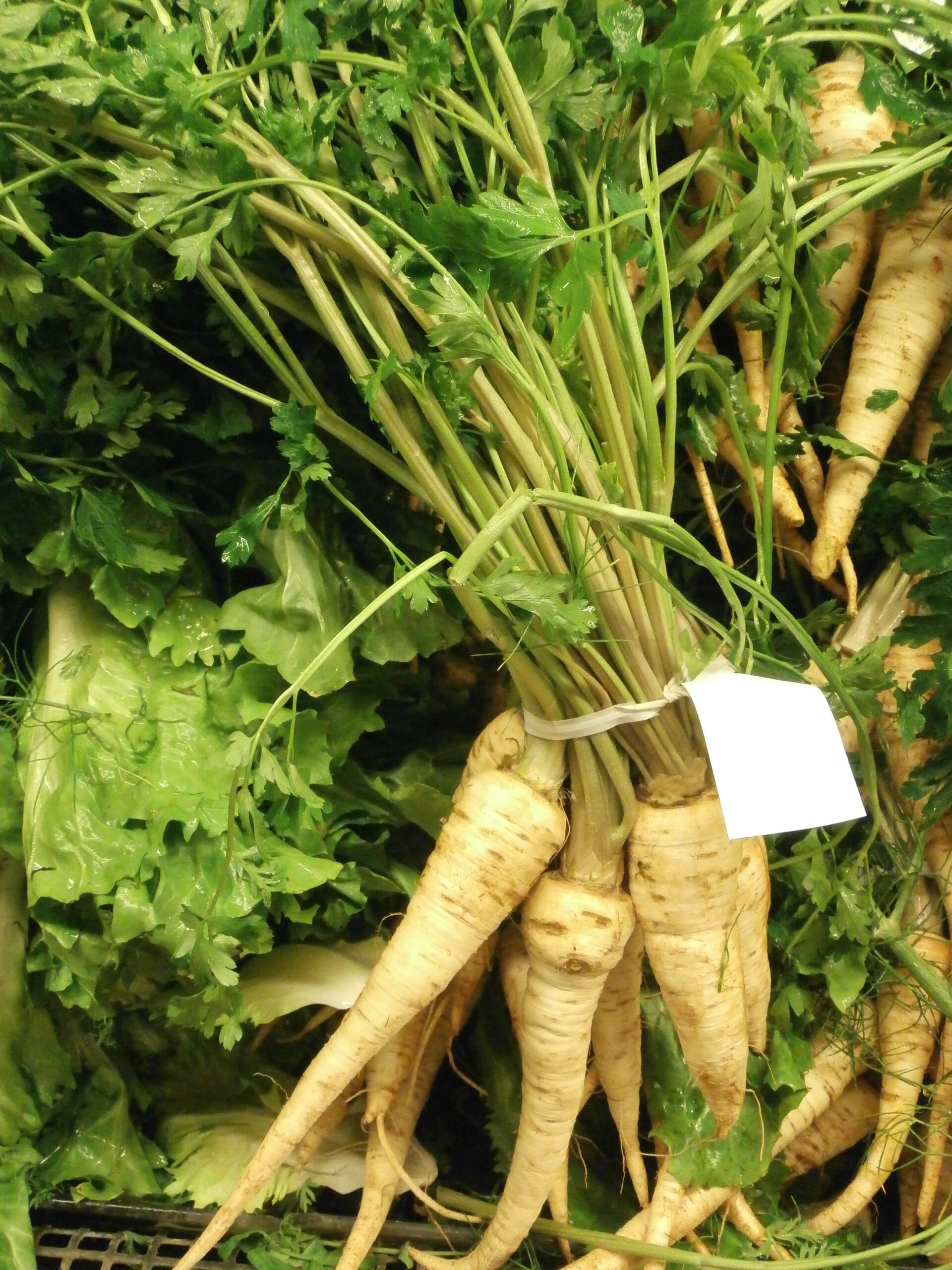
Parsnip is the crop Trinklein singles out for toughness. A relative of the carrot, it is planted in spring, prefers good garden loam, and tends to form short, misshapen roots in clay or stony ground. Cold improves its sweetness, and the roots can stay in the ground all winter because they can freeze solid without damage. He ranks it highest in food value among vegetables after the potato.
Spring planting is the rule. The MU Extension calendar lists parsnip dates of March 20 to April 10 in south Missouri, April 1 to 20 in central Missouri and April 10 to 20 in north Missouri, and notes the Hollow Crown variety is slow to germinate. Parsnip needs about 150 days to harvest, with seed sown half an inch deep and thinned to 3 inches apart.
Salsify, sometimes called oyster plant for its flavor, is the slowest of the group. Trinklein says it needs a long season of about 120 days, can be sown outdoors in very early spring (though starting indoors is preferred), and wants deep, loose soil, steady moisture and high fertility. Like parsnip, its roots can be left in the ground over winter and dug as needed.
Jerusalem artichoke keeps best in the soil
The fifth crop is the odd one out. Jerusalem artichoke is a North American native and a perennial, grown from seed tubers planted much like potatoes. Despite the name, it has nothing to do with Jerusalem or with artichokes. The tubers measure about 2 to 3 inches long and taste like water chestnut. They hold about 10 percent protein and store carbohydrate as inulin rather than starch, and they can be eaten raw, pickled or cooked like potatoes.
Trinklein notes that the tubers do not store well once dug, so they stay in the soil until the ground begins to freeze. A thick straw mulch can extend the harvest. The plant adapts to many soils, though heavy, poorly drained ground is best avoided.
A slower kind of gardening
Trinklein closes the column with a thought about pace. Summer gardening, he writes, is fast and high in energy, while fall and winter gardening is slower and more reflective, and still produces plenty. Planting cold-hardy vegetables, in his view, pushes back on the idea that winter is only a season of dormancy and endings.
For gardeners planning ahead, the schedule across all five crops is simple. Turnips go in during late summer. Rutabagas go in around June. Parsnips and salsify go in during spring. Jerusalem artichokes go in with the seed tubers. Each of them rewards the wait with a harvest when most of the garden has finished.
This article was produced with AI assistance and edited for accuracy against the sources linked above.
Image: Jeffery Martin – CC0/Wikimedia Commons