Mendocino County Gardeners Should Cover Citrus When Temperatures Hold at 29 Degrees for 30 Minutes and Have Gutters Clean by Nov. 12, Columnist Roger Coryell Writes
Nov. 12 is circled on one Mendocino County gardener’s calendar for two reasons. It is the date of the next federal El Niño update, and it is the date columnist Roger Coryell says gutters should be clean by. His November column in The Mendocino Voice, dated Nov. 7, also gives a frost number for citrus: tender trees take damage when temperatures hold at 29 degrees for 30 minutes or more.
The rest of the column reads like a month of chores for inland valleys and the coast, from covering bare soil to refilling slug traps. The details below follow it, with University of California and NOAA material for the numbers behind each task.
An El Niño winter and the Nov. 12 update
Coryell opens with water. He cites NOAA’s Climate Prediction Center, which put the odds at 83 percent in its Oct. 8 update that October through December would be stronger than any El Niño since 1950. The center’s El Niño advisory page lists an El Niño Advisory in effect, says the event continues to strengthen and gives Nov. 12 as the next update.
The center also notes that a strong El Niño makes typical El Niño weather more likely but does not mean it will happen. Coryell’s advice is to have the gutters clean by the time of that update, since the winter he expects could bring heavy rain.
In the garden, he suggests using an October map of wet spots. Drainage-loving plants stay out of them, and a raised bed works for vegetables in soggy areas. Beds should not be walked on while wet, and a board can serve as a bridge. Bare soil gets covered with straw, leaves, wood chips or a cover crop, saucers come off outdoor potted plants so they do not sit in rainwater, and the irrigation timer goes off once the rains settle in.
Citrus and the 29-degree threshold
Inland, the first frosts of the season arrive in November in Ukiah, Willits, Laytonville and Anderson Valley, Coryell writes, while the coast sees less. Tender citrus is damaged at 29 degrees for 30 minutes or more. Lemons and limes are the most sensitive, and kumquats and Satsuma mandarins tolerate cold best.
His protection list starts with clearing mulch, weeds and ground cover from under the trees and watering the soil before a cold night, because damp soil holds heat better. Young trunks can be wrapped from the ground to the main branches with cardboard, palm fronds or other insulation, then covered with plastic to keep it dry. On hard-frost nights he suggests stringing old-style large incandescent holiday lights through the trees, since LEDs give off no heat. Frost damage is best pruned in late spring or early summer, once it is clear what is still alive.
The UC Master Gardeners of Sacramento County list approximate damage points that vary by type: limes at 29 degrees, lemons and grapefruit at 26, Meyer lemon at 22, oranges and mandarins at 21 and kumquat at 19. They say frost cloth can add roughly 4 to 8 degrees of protection and should go on before sunset, and that old-style holiday lights can add up to about 4 degrees. Ripe citrus should be picked before a frost, they add. A University of California Cooperative Extension note from Fresno makes the same point that damage varies by variety and by how ripe the fruit is.
Leaves on the beds and a cleanup of fallen fruit
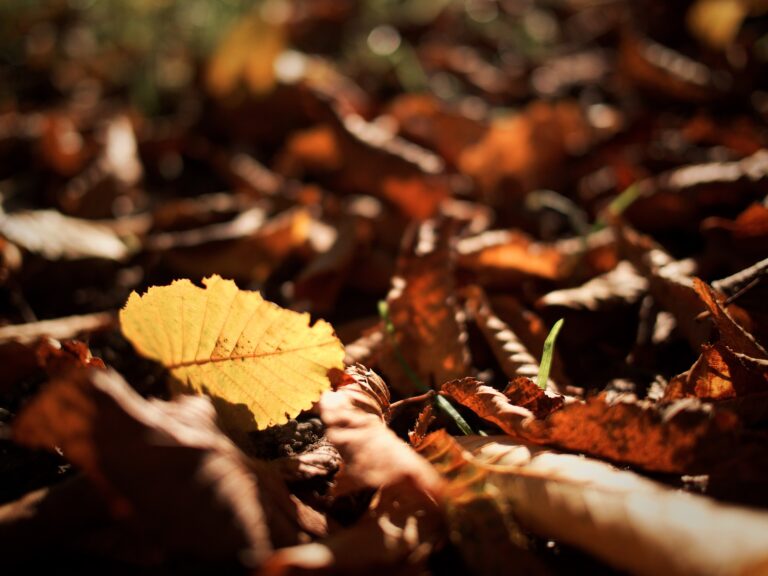
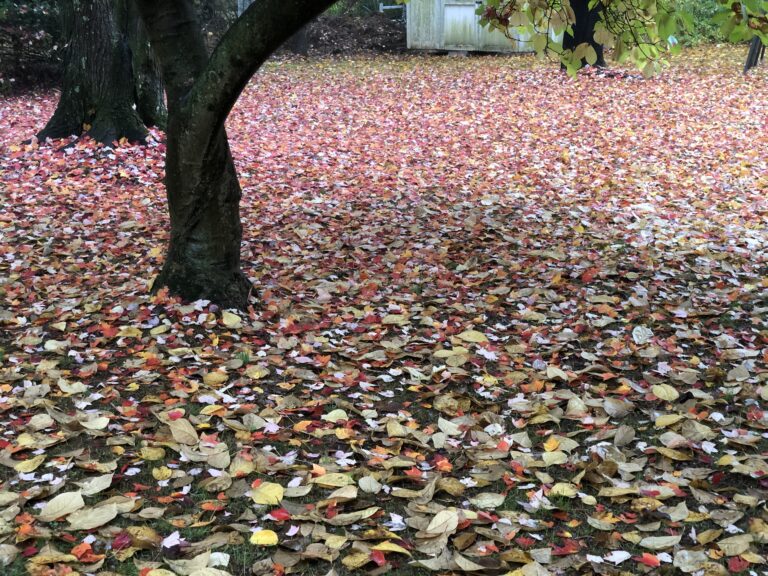
Coryell tells readers to rake leaves off lawns and paths and spread a few inches on beds as mulch. Leaves left wet in a corner turn into leaf mold by next fall. Fallen and dried fruit should be removed from the garden and kept out of the compost.
November planting is not over, in his telling. Garlic, fava beans, trees, shrubs and natives can still go in, and California poppy and other wildflower seed can be scattered on bare ground before rain. Bare-root roses and fruit trees appear at nurseries in winter, and he suggests ordering early for specific varieties.
Slug and snail traps in a wet month
Wet weather brings slugs and snails out. Coryell says to remove their hiding spots, such as boards, stones, debris, weeds around trunks, low branches and dense ground covers like ivy, and to keep vegetable beds away from those areas. A beer trap needs deep sides and a lid, and it needs refilling every few days.
The University of California Integrated Pest Management program backs the same approach. It says beer traps should be buried at ground level, checked daily and replenished every few days so the liquid stays deep enough, with deep vertical sides and a perforated lid. Iron phosphate bait is safer around children, pets, birds and wildlife than metaldehyde, but it works best alongside habitat reduction, the program says. For hand-picking, it recommends watering in the late afternoon, then searching with a flashlight after dark.
Smaller jobs before the hard freezes
A few other tasks fill out the column. Pruners and loppers get cleaned, sharpened and oiled before winter pruning. Inland, hoses and drip lines are drained before hard freezes, and terra cotta pots come indoors. Coryell also says to watch for gophers, since wet ground is easy to dig.
For peach and nectarine growers, he notes that leaf curl fungus overwinters on twigs and buds, and that once symptoms show in spring, treatment is too late. A copper spray goes on once just after leaf fall, usually late November in cooler northern areas, covering every twig until it drips. Copper can build up in soil and wash into creeks, he cautions.
The UC Integrated Pest Management guidelines agree that the fungus survives on tree surfaces and buds, and that fall and winter rains set the cycle going. One application in the dormant or delayed dormant period is usually sufficient, they say, with a second in late winter where rainfall is high or leaf curl is increasing.
Coastal readers get a note as well: winter hours of 9 a.m. to 4 p.m. begin in November at the Mendocino Coast Botanical Gardens in Fort Bragg, and the Festival of Lights opens Nov. 27. More local frost context is in this site’s coverage of freeze and frost alerts for Willits, Laytonville and Covelo.
This article was produced with AI assistance and edited for accuracy against the sources linked above.
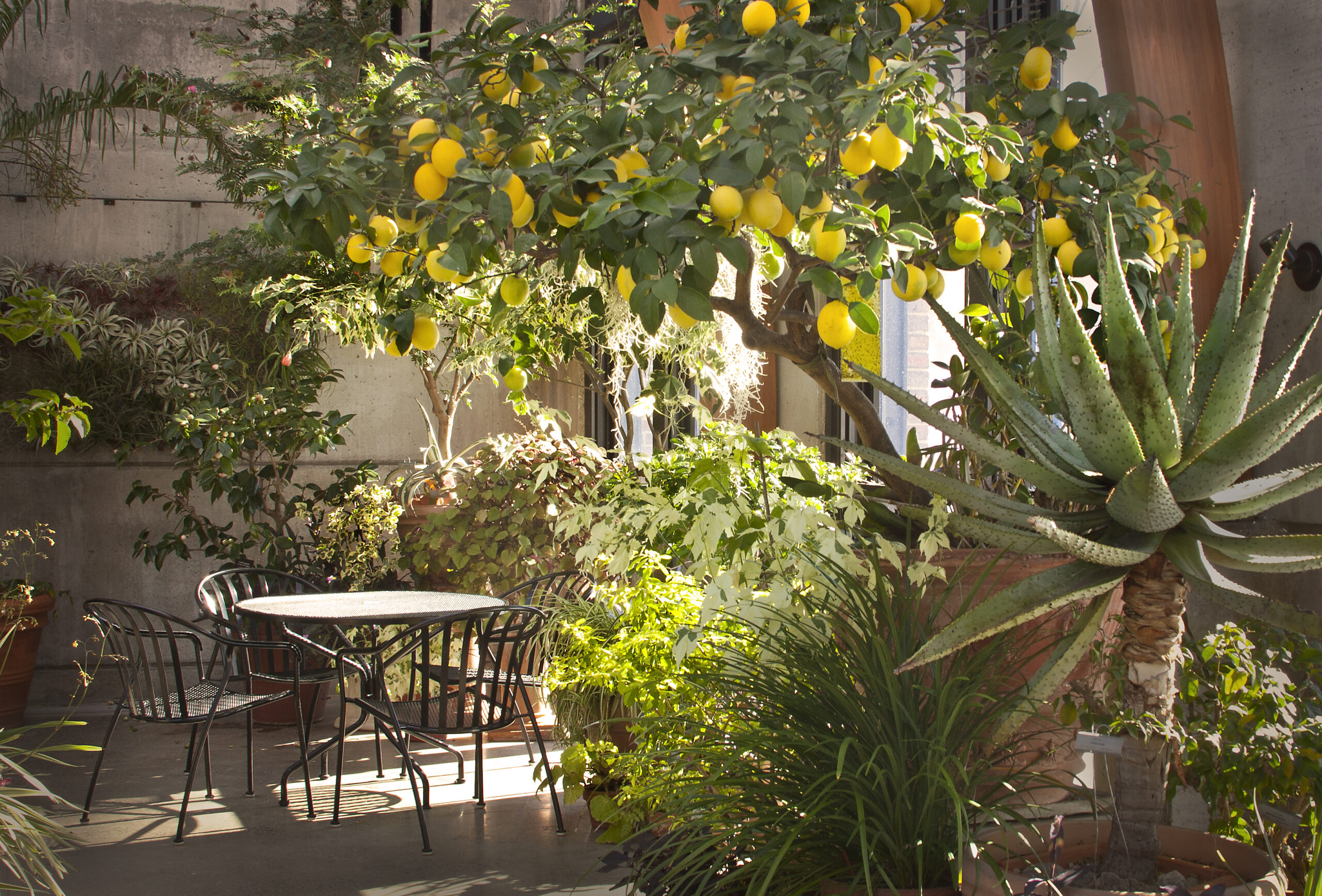
Image: “Lemon tree – Tower Hill Botanical Garden” by liz west is licensed under CC BY 2.0.