Sheila Consaul Bought an Abandoned Lake Erie Lighthouse for $71,010. It Took Nine Years Just to Get Running Water There.
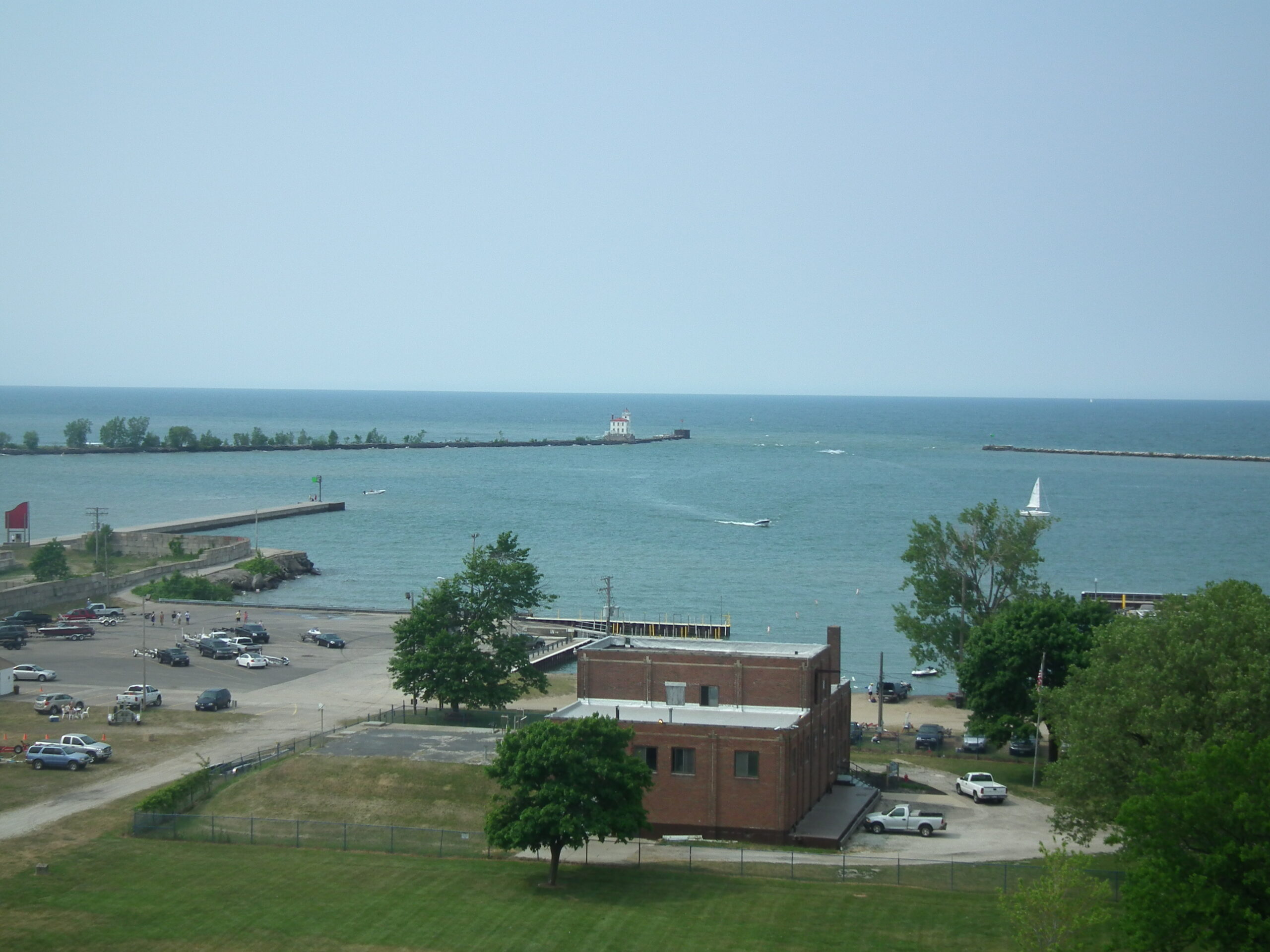
At the end of a breakwater on Lake Erie, about a half mile from Headlands Beach State Park, a 42-foot lighthouse marks the spot where the Grand River meets the lake in Fairport Harbor, Ohio. Keepers left it in the late 1940s, and it sat empty for more than 60 years until Sheila Consaul won it at a federal auction in 2011 with a bid of $71,010. She bought it for a summer home, and, as Parade reports, it took nine years just to get running water there.
A Light at the End of a Breakwater
The Fairport Harbor West Breakwater Light was first lit on June 9, 1925. According to the lighthouse’s own history page, it was built to replace the original Fairport Harbor Lighthouse, which is now a marine museum. The steel frame was built in Buffalo, New York, then shipped 147 miles across the lake aboard the steamer Wotan and finished on site, lantern room and lens included.
The tower is attached to a two-story keeper’s cottage, Lighthouse Friends says. Parade notes there is no driveway to it. Visitors park at Headlands Beach State Park and walk the breakwater, which takes about 20 minutes along a sandy path, according to Ideastream Public Media.
Keepers lived at the light until the late 1940s, when the Coast Guard electrified it, Ideastream reported, and the building then stood empty for more than 60 years. A roof-mounted weather station there now reports data to the National Weather Service.
The distance from shore shaped everything about the restoration. Parade reports that furniture and appliances arrived by boat and that heavy equipment lifted some materials into place. Ideastream said finding experienced contractors willing to work at such a remote site was hard in itself.
Nine Years for Running Water
When Consaul took over, the building had broken windows, peeling paint and interior damage, Parade reported. It had no electrical connection, no reliable running water and no ordinary sewer. The federal government made the lighthouse available through an auction process under the National Historic Lighthouse Preservation Act of 2000, which opened the way for a private buyer.
“It took nine years to establish running water at the property,” Parade wrote. Ideastream reported that getting water approval took about nine years, which Consaul described as a bureaucratic hurdle rather than a technical one. As an individual, Consaul cannot use the lake as her main water source, the station reported. She instead collects rainwater in a cistern, and generator-powered pumps clean, treat and distribute it through the building.
Power took its own workaround. Lighthouse Friends notes that a submarine cable reached the tower in 1940, but the 2011 owner’s connection to shore was later severed. Parade says she ran the place off the grid on a generator, solar and wind power, and rewired the building and upgraded its plumbing.
A 2017 report from Buffalo Toronto Public Media shows how far the project had to go six years in. At that point, the lighthouse had no running water, and Consaul brought her own water and ice, plus food and gas, on every visit. She told the station she was still looking for a system to clean incoming rainwater for storage and a way to treat water going out, which she called the harder part.
A $71,010 Bid and 15 Years of Summer Work
The General Services Administration said in a blog post on the sale that Consaul bought the property online in 2011 for $71,010 after being outbid twice, and that she had not seen it in person. The GSA described a building of steel, concrete, brick and metal sheathing with boarded-up windows, broken glass and an interior marked by years of teenage parties. It is called the West light, the agency said, because a smaller, older lighthouse stands on the east side of the harbor. Under the lighthouse program, public bodies and nonprofits get first priority, and private citizens may bid at a GSA auction if none of them takes the property.
Parade reports the restoration took 15 years and cost more than $300,000, according to a 2026 Fairfax County profile. Consaul stays only from Memorial Day weekend through Columbus Day weekend, so the work was squeezed into a few months each year. It included restoring windows, repairing damaged surfaces, repainting the exterior with dozens of gallons of marine-grade coatings, and upgrading the electrical and plumbing systems. Volunteers helped with some of the painting, and she tried to keep original details such as windows and woodwork.
Consaul owns the building but not the land. The breakwater is federal property managed by the U.S. Army Corps of Engineers, Parade reported, and the U.S. Coast Guard still maintains the beacon as an active aid to navigation. Ideastream described a solar-powered LED beacon that runs dusk to dawn.
The finished home has three bedrooms and three bathrooms across several levels. Consaul has hosted an open house around the lighthouse’s June 9 birthday since 2012, and the 100th anniversary in 2025 was expected to draw about 1,000 visitors, according to Ideastream. No reservations were required.
The lighthouse that stood vacant for six decades now has a summer resident, a working beacon and a cistern that catches the rain, plus the running water that took nine years to arrive.
This article was produced with AI assistance and edited for accuracy against the sources linked above.
Image: Erik Drost – CC BY 2.0/Wikimedia Commons