A New Homeowner Let the Neighbors Keep Cutting Through the Backyard to the School Next Door. Then They Asked for the Compost Bin to Go.
The shortcut came with the house. When a new homeowner moved into a place that backs onto a school, the previous owners had already agreed to let the neighbors walk across one back corner of the yard so they could reach the school grounds and park there instead of driving the long way through the subdivision.
For a while, the homeowner didn’t mind. Then the requests started flowing the other way, according to a write-up published by Yahoo Life on Nov. 1: keep the dog out of that corner, the dirt it tracks is a problem, and could the compost bin please be moved.
A 15-Foot Path Between Two Gates
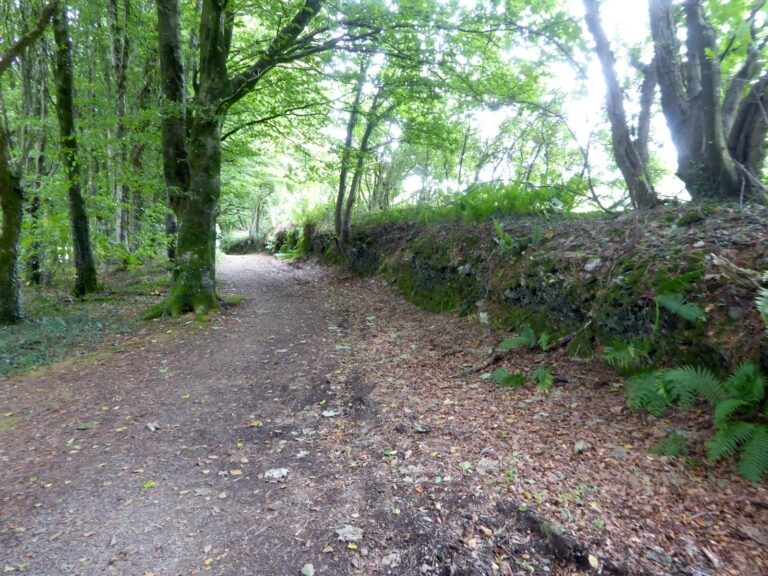
The arrangement is small on paper. Yahoo Life describes a stretch of roughly 15 feet across the back corner of the yard, running between two gates. One of those gates was installed by the neighbors themselves, cut into their own fence, so the path could exist at all.
On the far side sits a school with an athletic field and parking lots. Crossing the corner let the neighbors leave their cars at the school and skip a drive through the subdivision. The previous owners had been fine with that, and the new homeowner inherited the habit along with the house.
Nothing in the account suggests the homeowner ever signed anything or agreed to new terms. It was a favor that simply carried over from one owner to the next.
The homeowner was relaxed about it at first. A few neighbors stepping through a back corner on the way to the school lot did not seem like much to give up, and keeping the peace with the people next door counted for something.
Then the Neighbors Had Opinions About the Yard
The trouble began when the people using the shortcut started treating the corner as shared space. According to the write-up, they asked the homeowner to keep the family dog out of the area they walked through. They said the dog was tracking in dirt. And they asked for the compost bin to be removed.
Each request, taken alone, sounded small. Together they amounted to the neighbors deciding how a corner of someone else’s yard should be used, on land they had only ever been allowed to cross.
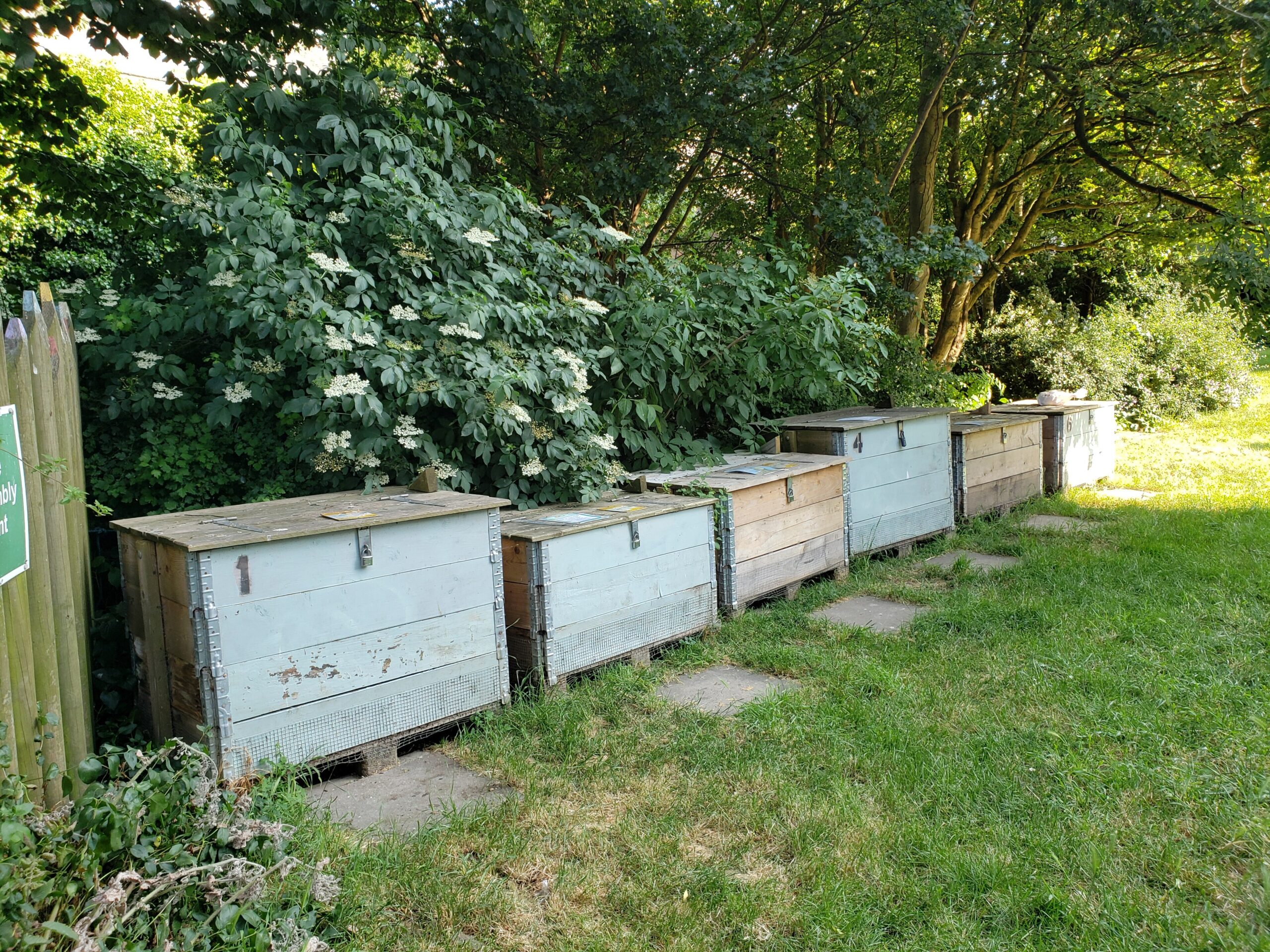
For gardeners, the compost request lands hardest. A bin is where kitchen scraps and yard trimmings slowly turn into soil for next year’s beds. The U.S. Environmental Protection Agency’s guide to composting at home describes a pile built from “browns” such as dry leaves and twigs and “greens” such as vegetable scraps, grass clippings and coffee grounds, kept about as damp as a wrung-out sponge and turned now and then for air.
Done well, the EPA says, a pile can be finished in about three to five months. That is a long time to tend something, and most people keep a bin in a back corner for exactly the reasons this one sat there: out of the way, close to the garden, and on their own property.
Why a Compost Bin Is Worth Keeping
The bin is not just a garden habit. The EPA’s composting overview notes that food is the single most common material sent to U.S. landfills, making up 24.1% of municipal solid waste, and that only 5% of the 66.2 million tons of wasted food generated in 2019 in the retail, food service and residential sectors was composted.
Yard waste is a big part of that picture. The EPA’s yard trimmings data puts the amount generated in 2018 at about 35.4 million tons, with about 10.5 million tons landfilled, and that count does not even include what people compost in their own backyards.
The agency says finished compost helps soil hold water and nutrients, reduces erosion and runoff, and can cut the need for chemical fertilizers. For a homeowner with beds to feed, giving up the bin would mean giving up all of that to suit people walking through on the way to park their cars.
Commenters Said Shut It Down
Readers responding to the story were mostly blunt. One commenter quoted by Yahoo Life wrote, “No more gate… It will never end. Shut it down.” Others suggested a short, firm reply to the neighbors about whose dog actually lives in that yard.
Another commenter described a similar fight in the Netherlands, where a neighbor’s use of a garden had gone on for more than 21 years and the legal fees ran to about 10,000, though the write-up does not say in which currency.
That comparison points at the quiet worry behind many shortcut disputes. A favor that runs long enough can start to feel, to the people using it, like something they are owed. In legal terms, Cornell Law School’s Legal Information Institute explains that a prescriptive easement can be gained through open, continuous use of another person’s land for a period set by state law, but only when that use is adverse to the owner. Use that happens with the owner’s permission does not qualify.
That is one reason a shortcut that began as a neighborly favor is usually treated differently from one people simply took. Lovely Garden Roots readers have seen versions of this before, from the neighbors who kept cutting through a renter’s front garden and side gate to the new neighbor who strung a rope across a trail beside a rural yard.
Where It Stands
The write-up does not say whether the gate has been locked yet. The homeowner told readers they were considering it. What the account describes is a familiar turn in neighbor relations: a favor offered freely, a small path through a back corner, and then a list of conditions about the dog, the dirt and the compost from the people who were only ever passing through.
For now, the homeowner’s choice is the one commenters kept repeating. Keep the gate open on new terms, or close it, keep the dog in its own yard and leave the compost bin exactly where it is.
This article was produced with AI assistance and edited for accuracy against the sources linked above.
Image: Andy Li – CC0/Wikimedia Commons