Fenn Church Told Power Crews “Go Get Your Court Order” After They Cleared About 200 Yards of His 400-Acre Calera Property and Dozens of Old Oaks
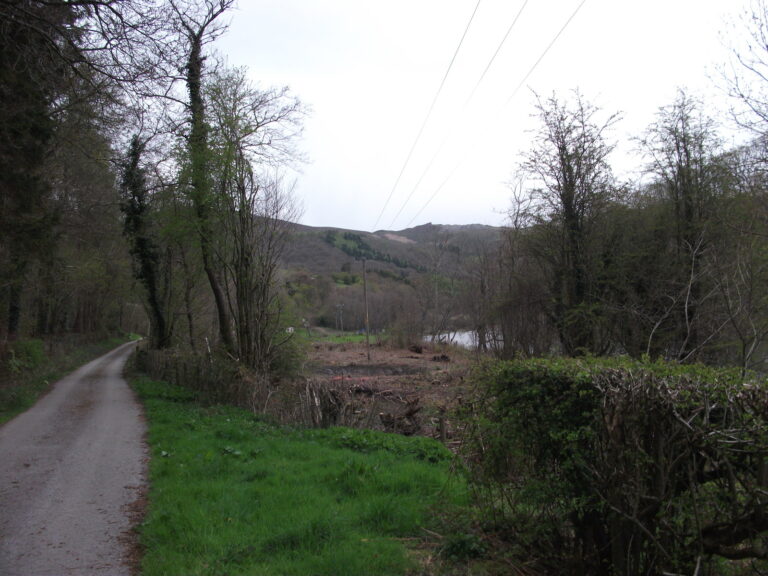
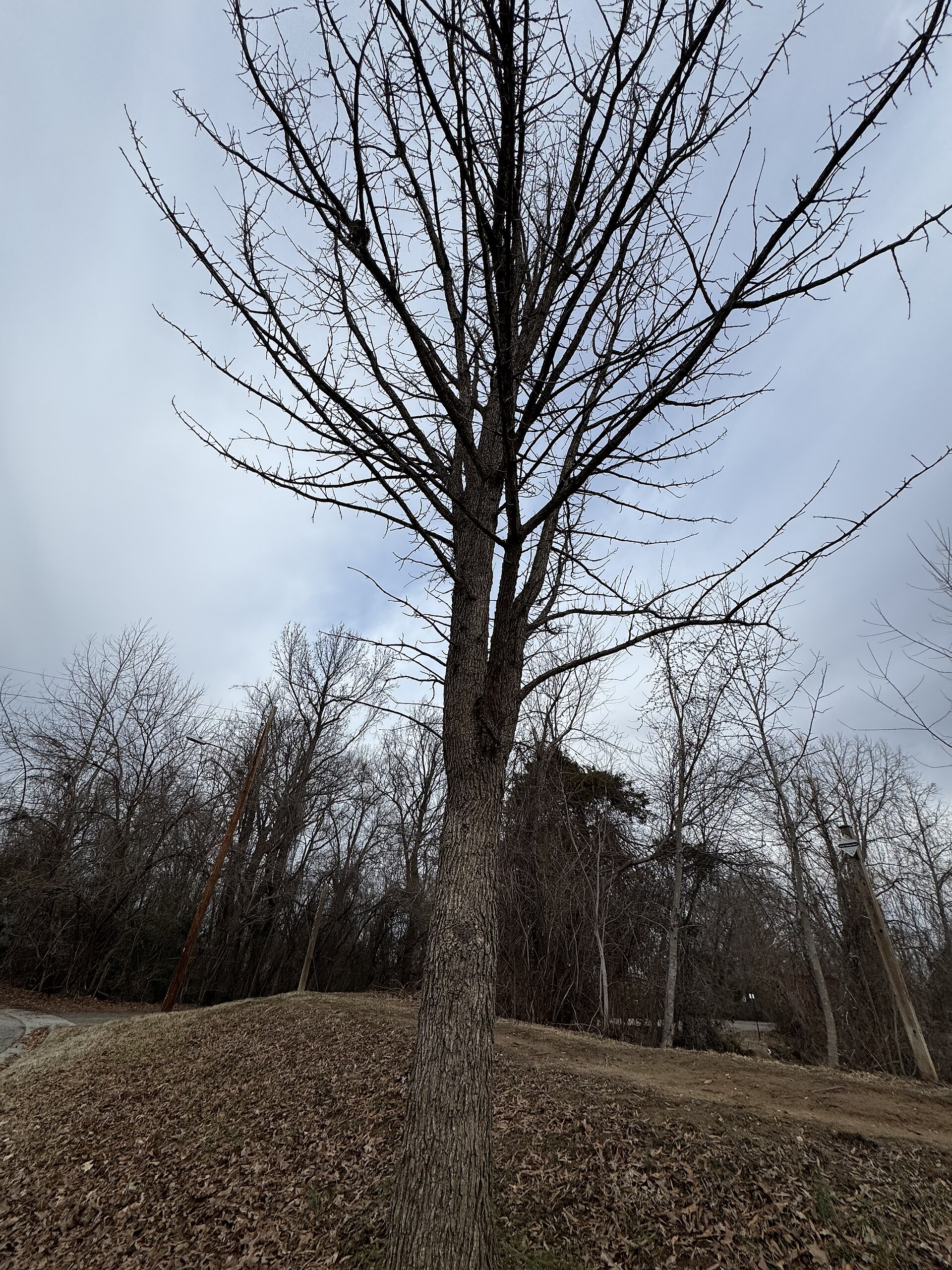
About 200 yards of wooded land on Fenn Church’s property in Calera, Alabama, were cleared in a matter of hours, according to Church, and he says the trees that came down included dozens of old oaks. When a crew representative told him to back up, he stayed at the property line and told the crew to go get a court order, The Cool Down reported.
What Church Says Happened
Church owns more than 400 acres in Shelby County. He told WVTM 13 that Alabama Power crews entered without his knowledge and cut dozens of oak trees. He said they cleared about 200 yards in a few hours. WVTM reported that when a worker asked whether it would take a court order to make him leave, Church replied, “Yes, sir, it sure is.”
Church says the utility could build the Autaugaville-East Pelham transmission line without crossing his land, and that he would go to jail to protect his privacy and old-growth trees. No court or independent count has confirmed how many oaks were cut. Church later estimated about 300 yards had been cleared, according to ABC 33/40.
The Utility’s Position
Alabama Power says it entered under an Alabama Supreme Court order and stopped work for safety reasons when Church would not move. It asked a Shelby County judge for a temporary restraining order to keep him at least 300 feet from crews, according to WVTM. The company says the line is part of a 74-mile project and that delays could threaten a May 2027 completion date.
The company’s own page on easements and eminent domain says that for transmission lines it seeks an easement rather than ownership, so the owner keeps the property, and that condemnation is a court process used when a voluntary agreement fails.
How the Court Fight Got Here
In September, Circuit Judge Jonathan Spann blocked Alabama Power from entering the property, finding the company likely had not followed state condemnation procedures. On Oct. 21 the Alabama Supreme Court stayed that order, ABC 33/40 reported. The stay is temporary and does not end the case. ABC said the planned line is 74 miles long and costs $248 million, with about half a mile crossing Church’s land.
Judge Spann heard the restraining-order request on Nov. 9. Inside Climate News reported that a lawyer for Alabama Power said Church “has said he wants to be arrested,” and that Church’s lawyers said he would not let workers onto his property without a court order. The outlet also reported that crews had cleared land up to Church’s property line by Nov. 3.
The Judge Turns Down the Restraining Order
On Nov. 10, Spann dismissed the new lawsuit and denied the restraining order and injunction, Inside Climate News reported, writing that “Dismissal is compelled.” ABC 33/40 reported that he agreed Alabama law bars two cases between the same parties over the same issue at once. The dismissal is without prejudice, so the company could return to court.
Alabama Power said it was disappointed and is evaluating its legal options. It said Church was awarded $425,435 through the legal process for the right to locate the line and access the route, and that he keeps ownership of his land. The larger condemnation case is still pending.
What Is Still Open
The size of the clearing and the number of oaks rest on Church’s account, and the utility has not said how many trees came down. Whether Alabama Power will appeal the dismissal or refile has not been reported.
This article was produced with AI assistance and edited for accuracy against the sources linked above.