A 212-Year-Old Oak Planted During the War of 1812 Beside Chesterfield’s Historic Courthouse Comes Down This Month, Its Trunk Full of Rot
In 1814, with the War of 1812 still underway, a court clerk named Lawson Nunnally planted an oak beside the courthouse in Chesterfield County, Virginia. More than two centuries later, county crews are getting ready to cut it down. Officials say fungus, decay and rot have spread through the trunk, and removal is expected to begin this month, WTVR CBS 6 reported.
John Neal, the county’s director of general services, told the station the tree was planted in 1814, making it 212 years old.
Rot Inside an 18-Foot Trunk
The county has measured the Nunnally Oak’s trunk from time to time, Neal told Richmond station WWBT, and it now stands just over 18 feet around. Inspectors found severe rot inside.
“It is not doing well. It’s not healthy right now,” Neal told WTVR. The decay jeopardizes the tree’s structure, and the county worries it could come down on its own. Neal said taking the tree down is the safer choice than risking damage to buildings or injuries to visitors and employees.
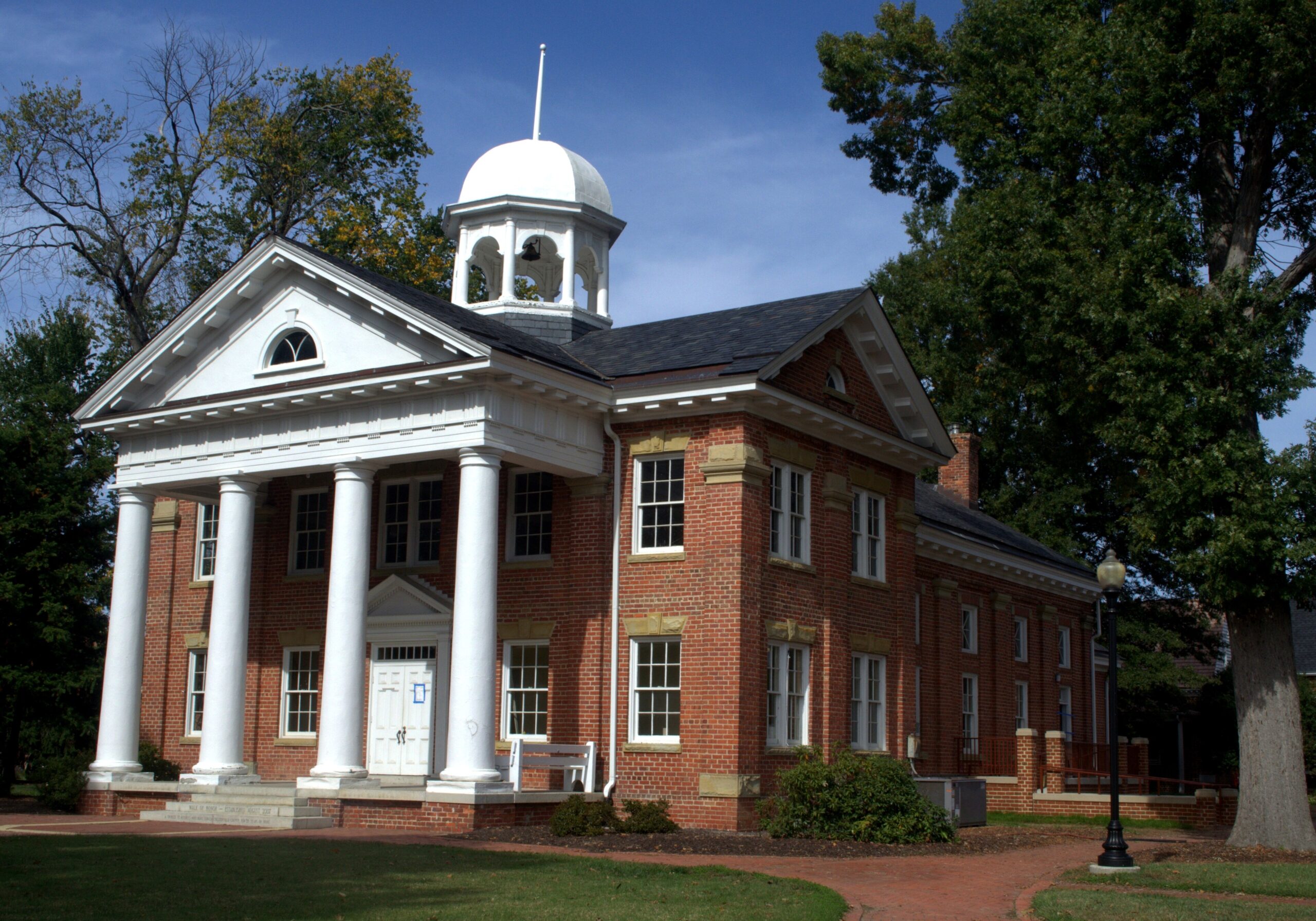
The oak shares its ground with some of the county’s oldest public buildings. The Virginia Department of Historic Resources lists Chesterfield County Courthouse and Courthouse Square on both the state and national registers, describing a “tree-shaded” square that has been the county seat since 1749. Around it stand an 1828 clerk’s office, an 1889 clerk’s office, an 1892 jail and the Colonial Revival courthouse that opened in 1918.
That courthouse replaced the colonial one, which British troops burned in 1781 and which was rebuilt by 1783, according to the county’s 1917 Courthouse historical marker. The old building was torn down in 1917 “against the will of local citizenry.” The oak had already been growing there for more than a century by then, through the burning’s aftermath, the Civil War years and the rebuilding of the square around it.
Why an Old Tree Can Look Fine and Still Be Hollow
Decay at the center of a tree is often invisible for years. Iowa State University Extension explains that heartwood rot attacks the dead wood at a tree’s core, “which is most of the tree.” Fungal spores usually get in through wounds, and the rot is often not noticed until shelf-like fungi appear on the trunk. A tree can live with it for decades, but the weakened wood makes breakage and windthrow more likely, and removal may be necessary when the tree stands near buildings or people.
Paul Pugliese of UGA Extension in Bartow County, drawing on plant disease specialist Jean Williams-Woodward, puts it more bluntly. Conks on a trunk mean “the tree is in advanced stages of infection and decay,” and trees with wood decay fungi will eventually fail. “It’s a question of when,” he writes. “There is no cure for wood decay.” He recommends a certified arborist to judge cavities and shell thickness, and yearly inspections for trees with known decay.
Those same signs apply to the big oaks in home yards. A mushroom at the base of a backyard tree is worth an arborist’s visit, especially when the tree leans over a house, a driveway or a play area. Pugliese also warns that wounds to trunks, branches and roots are the doors decay fungi use, so protecting an old tree from mower strikes and careless digging matters long before any rot shows.
The Oak’s Next Life
Chesterfield isn’t letting the tree disappear entirely. The county plans to preserve a cross-section of the trunk and donate it to the Chesterfield Historical Society, where it will mark major moments in county history, according to WTVR and WWBT. Some of the wood will become benches, tables and souvenir pieces.
The bigger plan is genetic. The county has four saplings that are “a direct offshoot” of the Nunnally Oak, Neal said, and intends to plant them once they are mature enough, so the line Lawson Nunnally started in 1814 continues on the same ground.
Old oaks have been coming down for other reasons this fall, too, including in Gretna, Nebraska, where the city cut a 100-foot oak outside one man’s home and handed him the bill. In Chesterfield, the county has not announced an exact date for the first cut, only that the work begins this month.
Get stories like this by email. Sign up for The Parent Diaries Letter.
This article was produced with AI assistance and edited for accuracy against the sources linked above.
Image: James Shelton32 – CC BY-SA 3.0/Wikimedia Commons