Crowded or Dying-in-the-Middle Perennial Clumps Get Cut in Halves or Thirds With a Spade or Fork, Utah State Extension’s JayDee Gunnell Says, Once Foliage Has Died Back
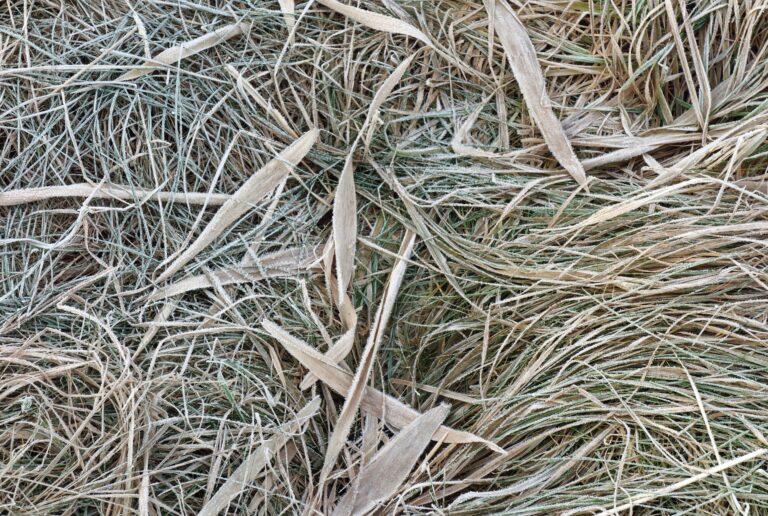
A perennial clump that has died out in the middle is a ring of living growth around a dead center, and Utah State University Extension horticulturist JayDee Gunnell says that is the sign to divide it. In the university’s November yard and garden tips, posted Oct. 30, 2026, older perennials that have become crowded or died out in the center get split by cutting the clump in half or thirds with a spade or garden fork.
The advice sits next to a reminder to cut perennials to the ground after the foliage dies. Other extension guides explain what happens in between: how to dig the clump, what to keep and what to toss.
Foliage Dies Back, Then the Clump Gets a Hard Look
Gunnell’s list starts with cleanup. According to the Utah State page, perennials are cut to the ground after their foliage dies, which keeps energy in the roots for next year’s growth. The division tip follows directly: if the plant is crowded or dying in the middle, the clump gets cut apart.
Crowding has a clear cost. Pamela T. Hubbard, a Monroe County master gardener, wrote in a Penn State Extension guide updated Sept. 9, 2026, that a crowded perennial competes with its neighbors for light, water and nutrients, produces fewer or smaller flowers and sometimes shows yellowing leaves. A center that has died out is on her list of signs, too.
University of Illinois Extension horticulture educators Martha Smith and Brittnay Haag put it as a rule of thumb in an infosheet on dividing perennials: “Let the plant be the gauge, not a calendar.” The sheet adds that crowded plants lose soil fertility and become more prone to disease, and that most perennials need dividing about every 3 to 5 years.
Cutting back is a choice with trade-offs, and Iowa State has said perennial stems left standing until spring feed birds and insulate crowns. Gunnell’s instruction is limited to foliage that has already died.
Halves or Thirds, Cut With a Spade or Fork
The Utah State instruction is short: cut the clump in half or in thirds with a spade or garden fork. Other extension writers add detail on how the digging goes.
Hubbard advises watering the plant a day or two ahead, digging on a cloudy day and cutting stems and foliage down to about 6 inches. She digs 4 to 6 inches out from the edge of the plant and cuts under the clump at angles from several points before levering it out. For a large clump she uses two forks back to back to pry it apart.
Erin Bregalia of the Landis Arboretum, writing in the arboretum’s “From the Garden” column, gives a similar picture. She digs straight down about 5 inches from the plant on all four sides before lifting it. A spade, fork, knife or ax can split it, and each division should carry three to five sections such as stems, fans, eyes or rhizomes.
Not every perennial divides the same way. Hubbard says spreading plants such as coneflower, beebalm and coreopsis pull apart by hand or with a cut, while clumping plants such as daylily, hosta and astilbe need a knife or two forks through the crown, with at least one bud kept on each piece.
The Dead Center Goes, the Healthy Edge Stays
The Illinois infosheet says to lift the clump, brush off loose soil, discard any dead center and keep the healthy outer sections for replanting or sharing. A hollow middle is not worth putting back in the ground.
Size matters too. According to the same sheet, each section needs enough roots to support its crown, and divisions that are too large may need dividing again soon. It suggests staggering the work across the garden so everything does not need dividing in the same year.
University of Missouri Extension state horticulture specialist David Trinklein described the simplest version in an extension news item by Linda Geist, published Aug. 29, 2025. A gardener takes about half the clump with as many roots as possible, refills the original hole with good soil and replants the other half elsewhere or gives it to a friend. Trinklein named daylilies, irises, ornamental grasses, black-eyed Susans and purple coneflowers as plants that tolerate division, and said peonies prefer not to be divided.
Replanting Before the Ground Freezes
Timing is where the sources need a careful read. The Utah State tip is attached to a November list and says to divide once the foliage has died. Hubbard says to divide in September where springs are late and short, leaving four to six weeks before the ground freezes. Bregalia gives the same four-to-six-week window for fall divisions.
The Illinois sheet adds a bloom-time rule. Early spring bloomers are divided after flowering so they have the rest of the season to root and set buds, while summer and fall bloomers are divided in spring and still root, bud and flower. A gardener whose ground is already close to frozen has a decision to make about which side of that rule a plant falls on.
Aftercare is consistent across the guides. Hubbard says to plant divisions at their original depth, firm the soil and water well. She mulches fall divisions with a loose material such as straw to limit frost heaving, and Bregalia also recommends mulch on fall divisions to protect the roots. Missouri’s Trinklein says to keep the soil moist for several weeks while the plant settles in, and to skip fertilizer in fall because winter cold may damage new growth.
Some plants should be left alone. Hubbard lists lavender, Russian sage and butterfly weed, which grow from a single taproot, and says baptisia, baby’s breath, lupine, clematis and columbine resent division. For the rest, Gunnell’s version of the job is the one that fits a November afternoon: foliage cut down, clump halved or thirded with a spade or fork, and the tired middle left out of the new planting.
This article was produced with AI assistance and edited for accuracy against the sources linked above.
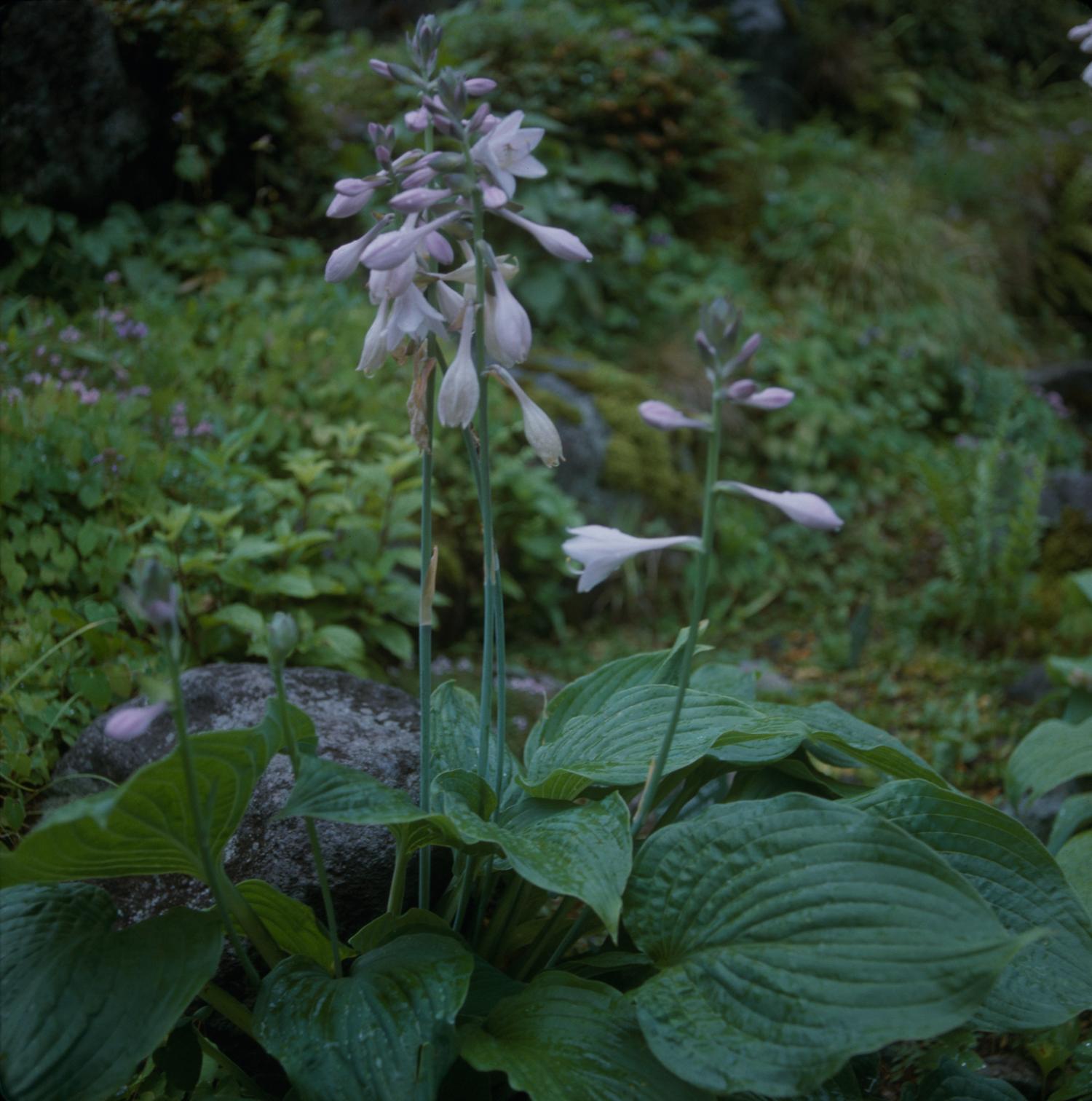
Image: Carlquist, Sherwin John, 1930-2021 – CC BY 4.0/Wikimedia Commons